
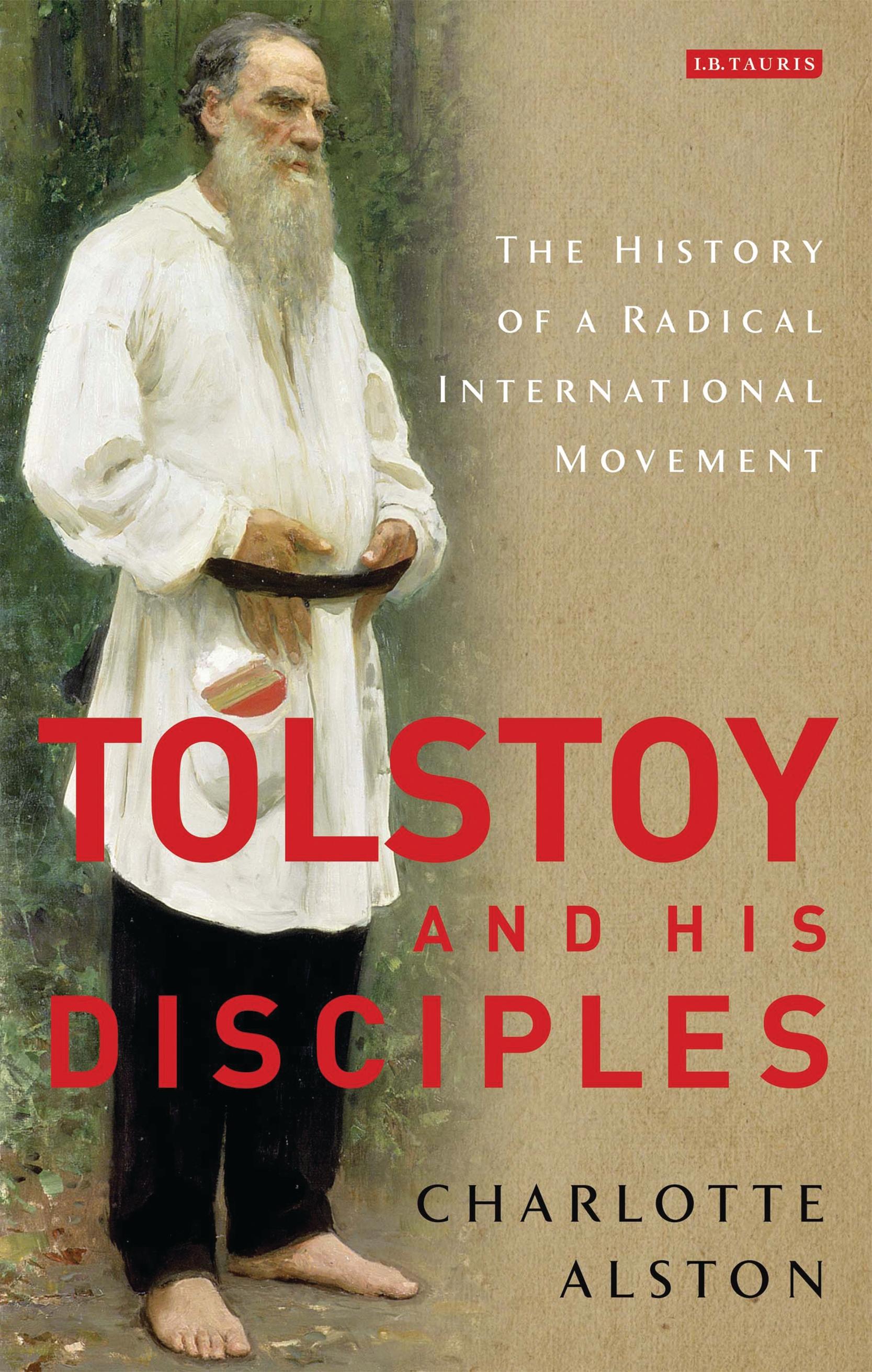
In the last thirty years of his life, Leo Tolstoy developed a moral philosophy that embraced pacifism, vegetarianism, the renunciation of private property, and a refusal to comply with the state. The transformation in his outlook led to his excommunication by the Orthodox Church, and the breakdown of his family life. Internationally, he inspired a legion of followers who formed communities and publishing houses devoted to living and promoting the Tolstoyan life. These enterprises flourished across Europe and the United States in the late nineteenth and early twentieth century, and Tolstoyism influenced individuals as diverse as William Jennings Bryan and Mohandas Gandhi. In this book, Charlotte Alston provides the first in-depth historical account of this remarkable phenomenon, and provides an important re-assessment of Tolstoy's impact on the political life of the late nineteenth and early twentieth century. The book is unique in its treatment of Tolstoyism as an international phenomenon: it explores both the connections between these Tolstoyan groups, and their relationships with other related reform movements.
Betala smidigt med kort, Klarna, Apple Pay eller Google Pay. Är du inte nöjd har du alltid 14 dagars ångerrätt. Läs mer i våra villkor. Har du några frågor, mejla oss på hello@memmo.org.
Memmo gör det enklare att plugga – var du än är i världen. Hos oss samlar du kursböcker och smarta studieverktyg på ett och samma ställe: sammanfattningar, quiz, poddar och flashcards. Och så Ted, din studiekompis som svarar på allt du undrar. Över 50 000 studenter pluggar redan här – byggt för att du ska lära dig snabbare och stressa mindre.