
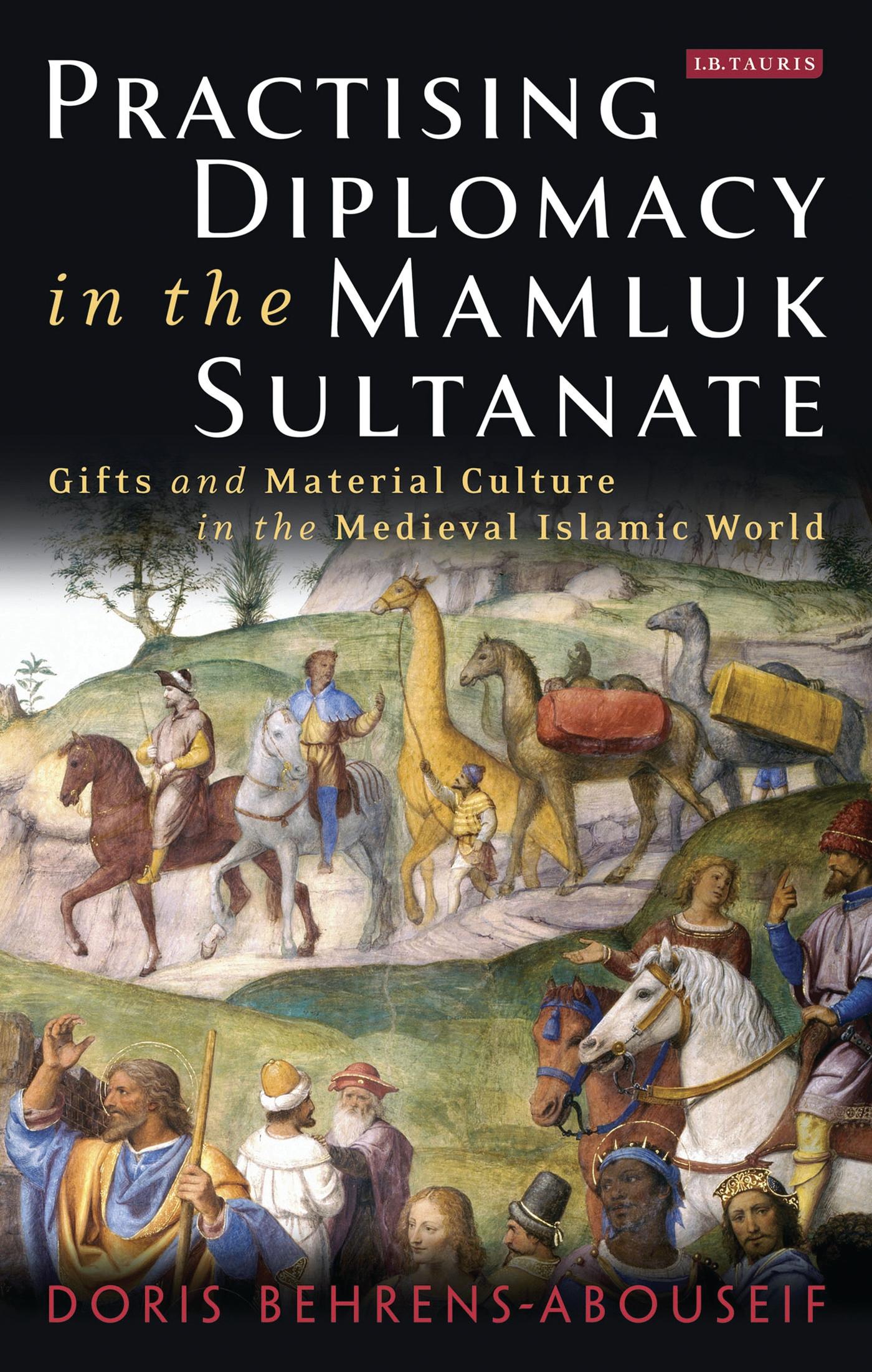
Elaborate and sensational gifts were the hallmark of Mamluk diplomacy. From Cairo, where they controlled the medieval spice trade and the holy sites of Christianity and Islam, the Mamluk Sultans - conscious of their humble slave origins - augmented their claims to legitimacy through brilliant displays of diplomatic gift-giving, creating a celebrated reputation for the Sultanate from Europe to the Far East. From spices, ceremonial textiles and military objects to elephants and giraffes, and even humans - either living or as severed heads - the offerings varied in combination and emphasis according to the status and circumstances of giver and receiver, but always created a sensation. Through an unparalleled study of primary sources and rigorous fieldwork, this original book - richly illustrated in colour - explores the unpredictable and nuanced art of the regal gift in the Mamluk Sultanate from 1250-1517. Doris Behrens-Abouseif not only provides the first study of this subject, but makes an important contribution to the study of diplomacy, economics, visual arts and material culture in the medieval period.
Betala smidigt med kort, Klarna, Apple Pay eller Google Pay. Är du inte nöjd har du alltid 14 dagars ångerrätt. Läs mer i våra villkor. Har du några frågor, mejla oss på hello@memmo.org.
Memmo gör det enklare att plugga – var du än är i världen. Hos oss samlar du kursböcker och smarta studieverktyg på ett och samma ställe: sammanfattningar, quiz, poddar och flashcards. Och så Ted, din studiekompis som svarar på allt du undrar. Över 50 000 studenter pluggar redan här – byggt för att du ska lära dig snabbare och stressa mindre.