
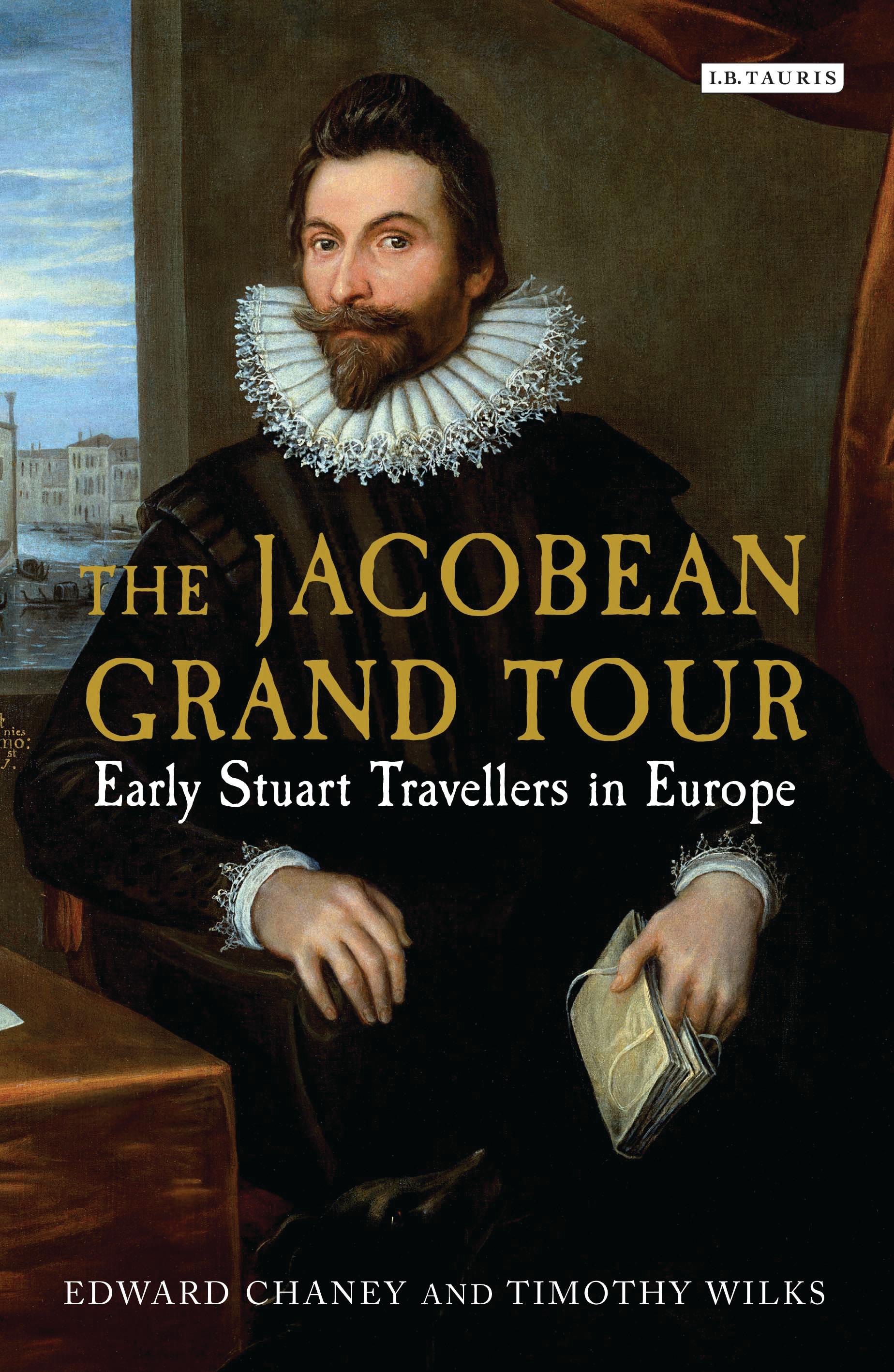
Although the eighteenth century is traditionally seen as the age of the Grand Tour, it was in fact the continental travel of Jacobean noblemen which really constituted the beginning of the Tour as an institutionalized phenomenon. James I's peace treaty with Spain in 1604 rendered travel to Catholic Europe both safer and more respectable than it had been under the Tudors and opened up the continent to a new generation of aristocratic explorers, enquirers and adventurers. This book examines the political and cultural significance of the encounters that resulted, focusing in particular on two of England's greatest, and newly united, families: the Cecils and the Howards. It also considers the ways in which Protestants and Catholics experienced the aesthetic and intellectual stimulus of European travel and how the cultural experiences of the travellers formed the essential ingredients in what became the Grand Tour.
Betala smidigt med kort, Klarna, Apple Pay eller Google Pay. Är du inte nöjd har du alltid 14 dagars ångerrätt. Läs mer i våra villkor. Har du några frågor, mejla oss på hello@memmo.org.
Memmo gör det enklare att plugga – var du än är i världen. Hos oss samlar du kursböcker och smarta studieverktyg på ett och samma ställe: sammanfattningar, quiz, poddar och flashcards. Och så Ted, din studiekompis som svarar på allt du undrar. Över 50 000 studenter pluggar redan här – byggt för att du ska lära dig snabbare och stressa mindre.