
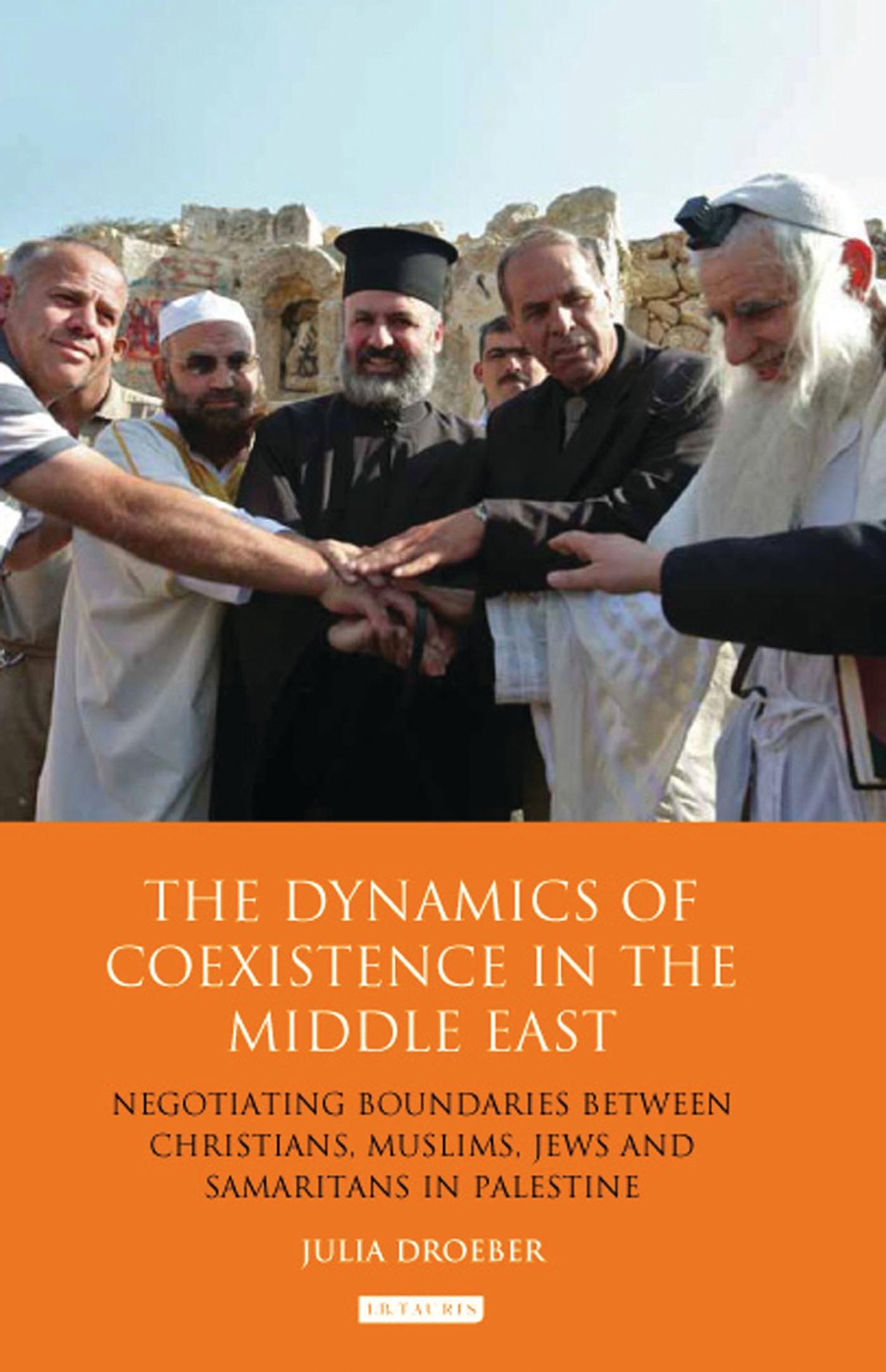
Palestine is often characterised, from afar, as being plagued by insurmountable difference and violent conflict along religious and ethnic lines. Julia Droeber looks beyond this, as she draws out the way in which sameness and difference is constructed and dealt with in the day to day relationships and practices of different religious communities in the West Bank town of Nablus. She follows the reality of coexistence and the constant negotiation of boundaries between Christians, Muslims and one of the last remaining Samaritan communities worldwide, and how these relationships are complicated by an occupier perceived as 'Jewish'. This is a sensitive and nuanced study of cultural and religious space in a much-contested region. It illustrates how differences are reconciled, accommodated and emphasised, while existing alongside a common sense of belonging. Droeber's findings resonate beyond the town of Nablus, and the West Bank, and into the broader fields of Middle East Studies, Anthropology, Comparative Religion and Peace and Conflict Resolution Studies.
Betala smidigt med kort, Klarna, Apple Pay eller Google Pay. Är du inte nöjd har du alltid 14 dagars ångerrätt. Läs mer i våra villkor. Har du några frågor, mejla oss på hello@memmo.org.
Memmo gör det enklare att plugga – var du än är i världen. Hos oss samlar du kursböcker och smarta studieverktyg på ett och samma ställe: sammanfattningar, quiz, poddar och flashcards. Och så Ted, din studiekompis som svarar på allt du undrar. Över 50 000 studenter pluggar redan här – byggt för att du ska lära dig snabbare och stressa mindre.