
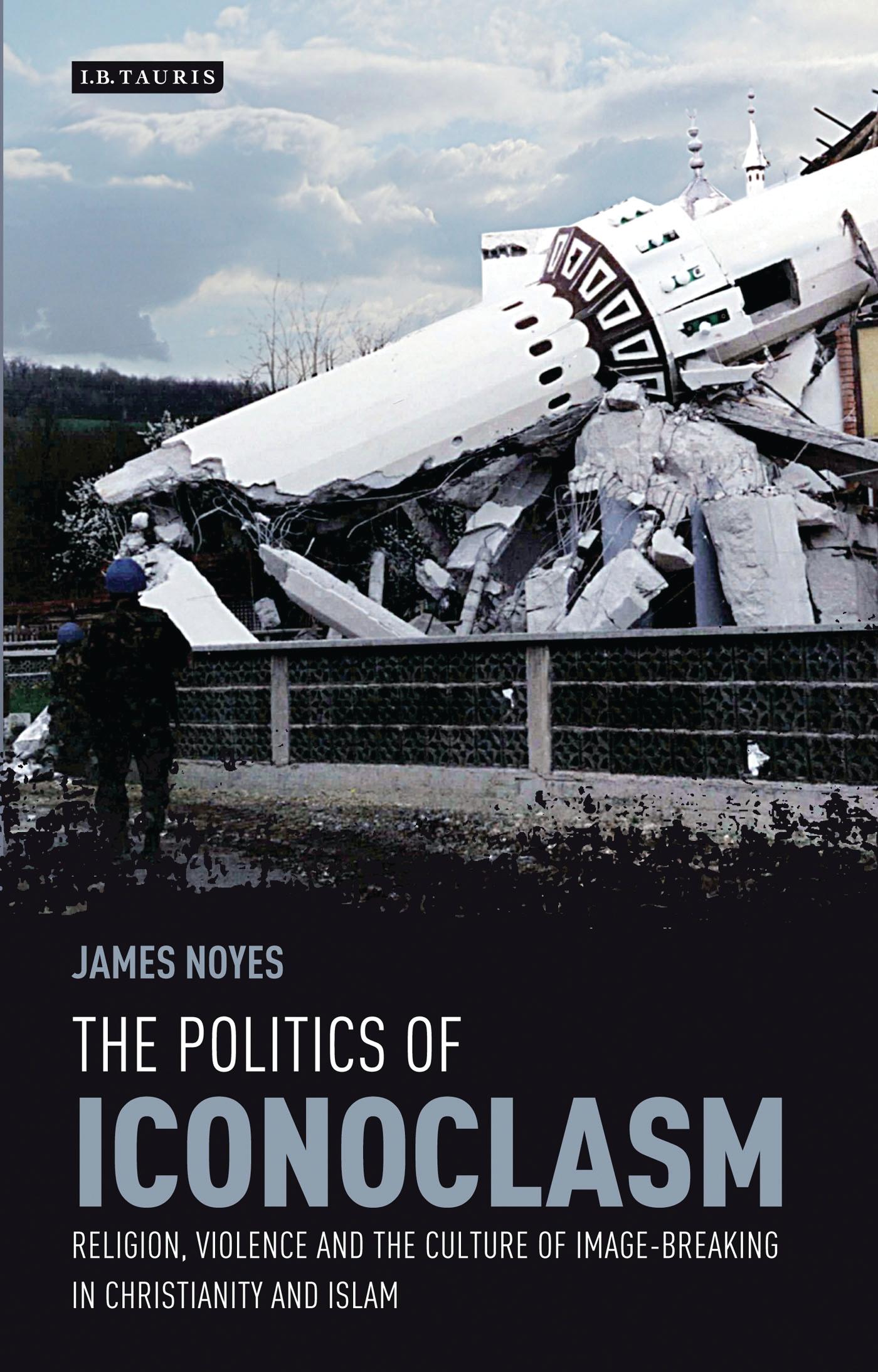
From false idols and graven images to the tombs of kings and the shrines of capitalism, the targeted destruction of cities, sacred sites and artefacts for religious, political or nationalistic reasons is central to our cultural legacy. This book examines the different traditions of image-breaking in Christianity and Islam as well as their development into nominally secular movements and paints a vivid, scholarly picture of a culture of destruction encompassing Protestantism, Wahhabism, and Nationalism. Beginning with a comparative account of Calvinist Geneva and Wahhabi Mecca, The Politics of Iconoclasm explores the religious and political agendas behind acts of image-breaking and their relation to nationhood and state-building.
From sixteenth-century Geneva to urban developments in Mecca today, The Politics of Iconoclasm explores the history of image-breaking, the culture of violence and its paradoxical roots in the desire for renewal. Examining these dynamics of nationhood, technology, destruction and memory, a historical journey is described in which the temple is razed and replaced by the machine.
From sixteenth-century Geneva to urban developments in Mecca today, The Politics of Iconoclasm explores the history of image-breaking, the culture of violence and its paradoxical roots in the desire for renewal. Examining these dynamics of nationhood, technology, destruction and memory, a historical journey is described in which the temple is razed and replaced by the machine.
Betala smidigt med kort, Klarna, Apple Pay eller Google Pay. Är du inte nöjd har du alltid 14 dagars ångerrätt. Läs mer i våra villkor. Har du några frågor, mejla oss på hello@memmo.org.
Memmo gör det enklare att plugga – var du än är i världen. Hos oss samlar du kursböcker och smarta studieverktyg på ett och samma ställe: sammanfattningar, quiz, poddar och flashcards. Och så Ted, din studiekompis som svarar på allt du undrar. Över 50 000 studenter pluggar redan här – byggt för att du ska lära dig snabbare och stressa mindre.