
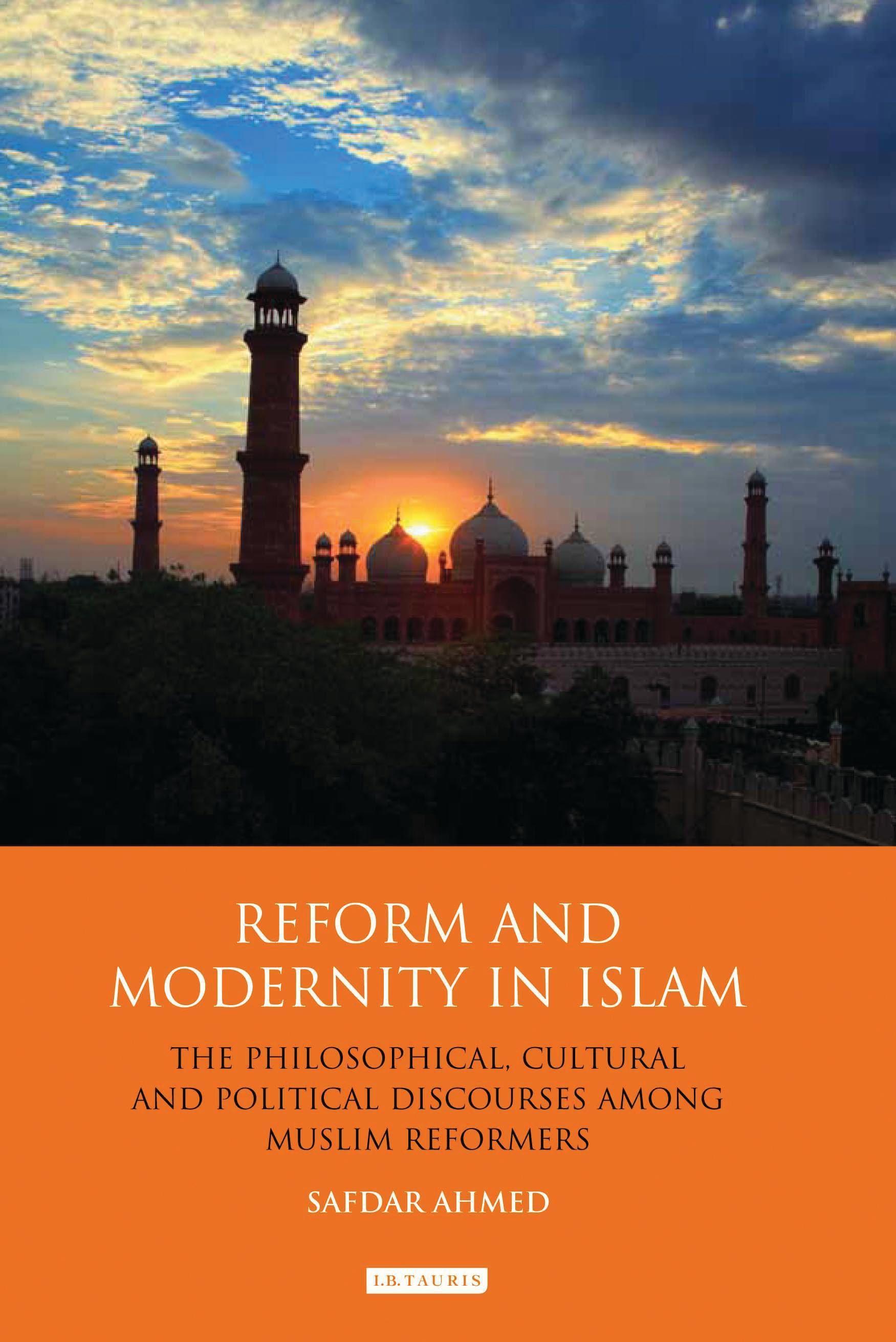
The debate over Islam and modernity tends to be approached from a Eurocentric perspective that presents Western norms as a template for progress - against which Islamic societies can be measured. This misses the historical development of Muslim reformist thought that actively engages with the world around it and seeks to reconfigure Islam within the diverse conditions of modernity. Safdar Ahmed paints a complex and nuanced picture that goes beyond the idea that Muslim reformers have either reproduced or reacted against Western ideas. Rather, Ahmed argues, they have reconstructed and appropriated these ideas, and so the thread of Western influence runs through modern Islamic thought on nationalism and sovereignty, femininity and gender. Ahmed uncovers new historiographical perspectives by critically examining the work of prominent intellectuals, such as Muhammad Abduh, Qasim Amin and Abdul A'la Maududi.
Betala smidigt med kort, Klarna, Apple Pay eller Google Pay. Är du inte nöjd har du alltid 14 dagars ångerrätt. Läs mer i våra villkor. Har du några frågor, mejla oss på hello@memmo.org.
Memmo gör det enklare att plugga – var du än är i världen. Hos oss samlar du kursböcker och smarta studieverktyg på ett och samma ställe: sammanfattningar, quiz, poddar och flashcards. Och så Ted, din studiekompis som svarar på allt du undrar. Över 50 000 studenter pluggar redan här – byggt för att du ska lära dig snabbare och stressa mindre.