
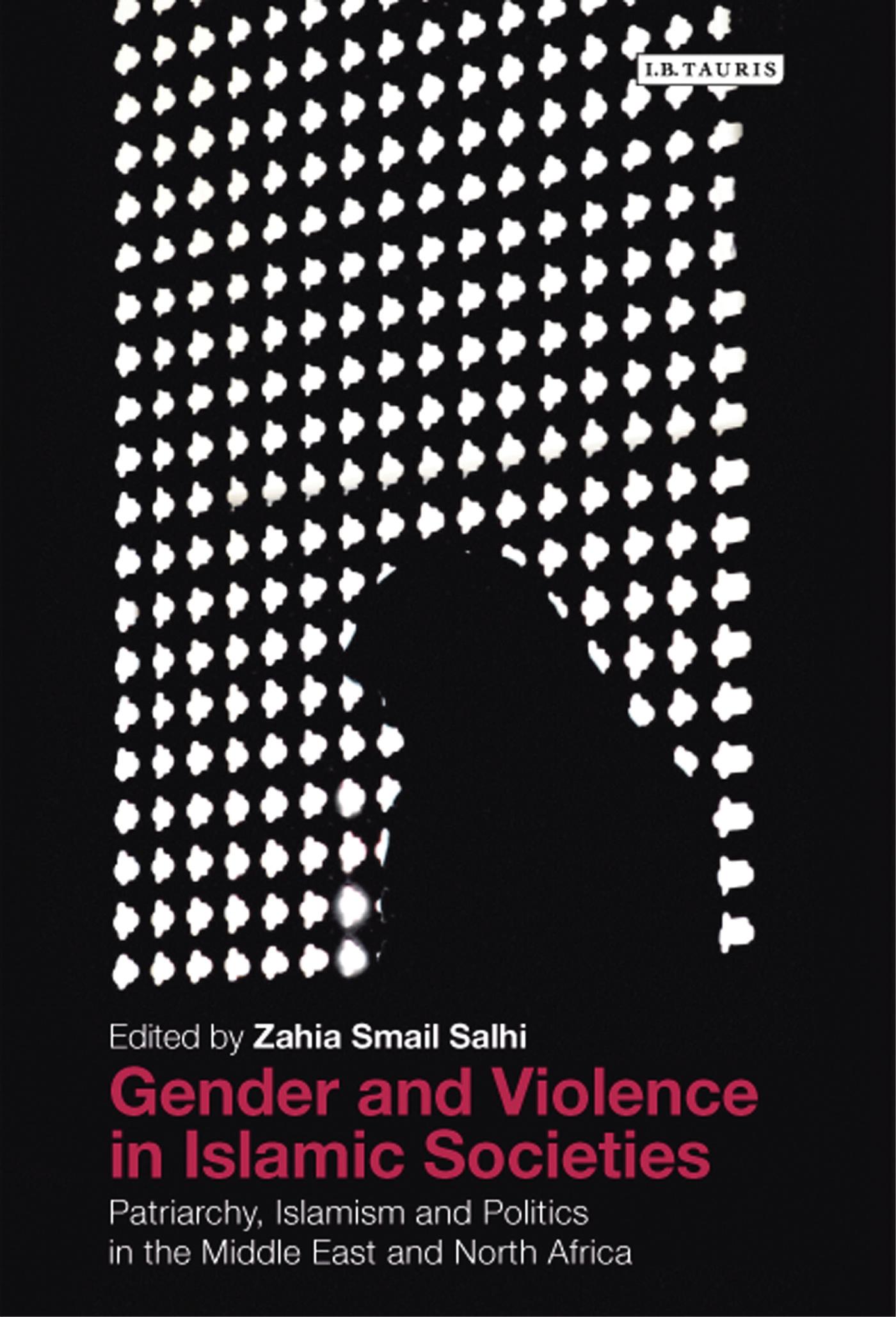
As a result of the uprisings that spread across the Middle East and North Africa in late 2010 and 2011, the issue of state public violence against both men and women dominated the headlines. But gender-based violence, in both its public and private forms, has for the most part remained unnoticed and is often ignored. The forms that this kind of violence can take are influenced by cultural norms and religious beliefs, as well as economic and political circumstances. In 'Gender and Violence in Islamic Societies', violence is perceived not only as physical harm, but includes various forms of violence directed at women because they are women. These include segregation in the workplace and limiting women's access to wealth, gender stereotyping in the media and education, verbal aggression and humiliation, control of women's finances and income, forced veiling, restricted access to education and health. Gender-based violence is thus analysed in its various forms and localities, encompassing both the public and private spheres: within the family, the general community,at work and in various state institutions.
Here, Zahia Smail Salhi brings together a wide range of examples of gender-based violence across the Middle East and North Africa, from discrimination in the workplace in Jordan to the physical abuse of underage domestic workers in Morocco, and from psychological and verbal violence against women in Tunisia and Algeria to the practice of female genital mutilation in Egypt. The evidence demonstrates that the violence, far from being of universal character across the region, is instead diverse, in both its intensity and in the processes of addressing such violence.
Here, Zahia Smail Salhi brings together a wide range of examples of gender-based violence across the Middle East and North Africa, from discrimination in the workplace in Jordan to the physical abuse of underage domestic workers in Morocco, and from psychological and verbal violence against women in Tunisia and Algeria to the practice of female genital mutilation in Egypt. The evidence demonstrates that the violence, far from being of universal character across the region, is instead diverse, in both its intensity and in the processes of addressing such violence.
Betala smidigt med kort, Klarna, Apple Pay eller Google Pay. Är du inte nöjd har du alltid 14 dagars ångerrätt. Läs mer i våra villkor. Har du några frågor, mejla oss på hello@memmo.org.
Memmo gör det enklare att plugga – var du än är i världen. Hos oss samlar du kursböcker och smarta studieverktyg på ett och samma ställe: sammanfattningar, quiz, poddar och flashcards. Och så Ted, din studiekompis som svarar på allt du undrar. Över 50 000 studenter pluggar redan här – byggt för att du ska lära dig snabbare och stressa mindre.