
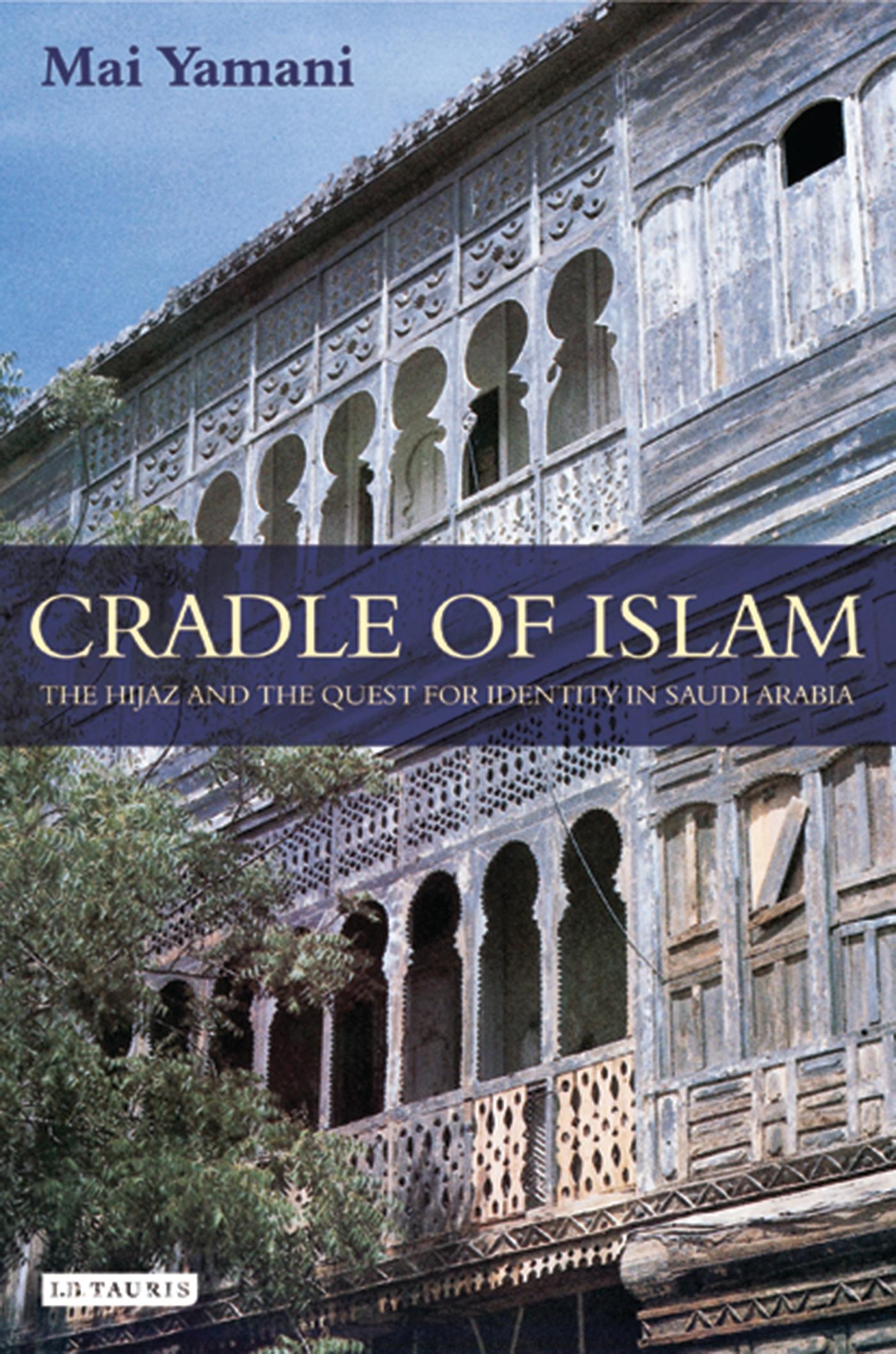
Is Saudi Arabia really a homogeneous Wahhabi dominated state? In 1932 the Al Saud family incorporated the kingdom of Hijaz, once the cultural hub of the Arabian world, in to the kingdom of Saudi Arabia. The urban, cosmopolitan Hijazis were absorbed in to a new state whose codes of behavior and rules were determined by the Najdis, an ascetic desert people, from whom the Al Saud family came. But the Saudi rulers failed to fully integrate the Hijaz, which retains a distinctive identity to this day. In "Cradle of Islam", the product of years spent in Mecca, Medina, Jeddah and Taif, Mai Yamani traces the fortunes of the distinctive and resilient culture of the Hijazis, from the golden age of Hashemite Mecca to Saudi domination to its current resurgence. The Hijazis today emphasise their regional heritage in religious ritual, food, dress and language as a response to the 'Najdification' of everyday life. The Hijazi experience shows the vitality of cultural diversity in the face of political repression in the Arab world.
Betala smidigt med kort, Klarna, Apple Pay eller Google Pay. Är du inte nöjd har du alltid 14 dagars ångerrätt. Läs mer i våra villkor. Har du några frågor, mejla oss på hello@memmo.org.
Memmo gör det enklare att plugga – var du än är i världen. Hos oss samlar du kursböcker och smarta studieverktyg på ett och samma ställe: sammanfattningar, quiz, poddar och flashcards. Och så Ted, din studiekompis som svarar på allt du undrar. Över 50 000 studenter pluggar redan här – byggt för att du ska lära dig snabbare och stressa mindre.