
I.B.Tauris in association with the Institute of Ismaili Studies
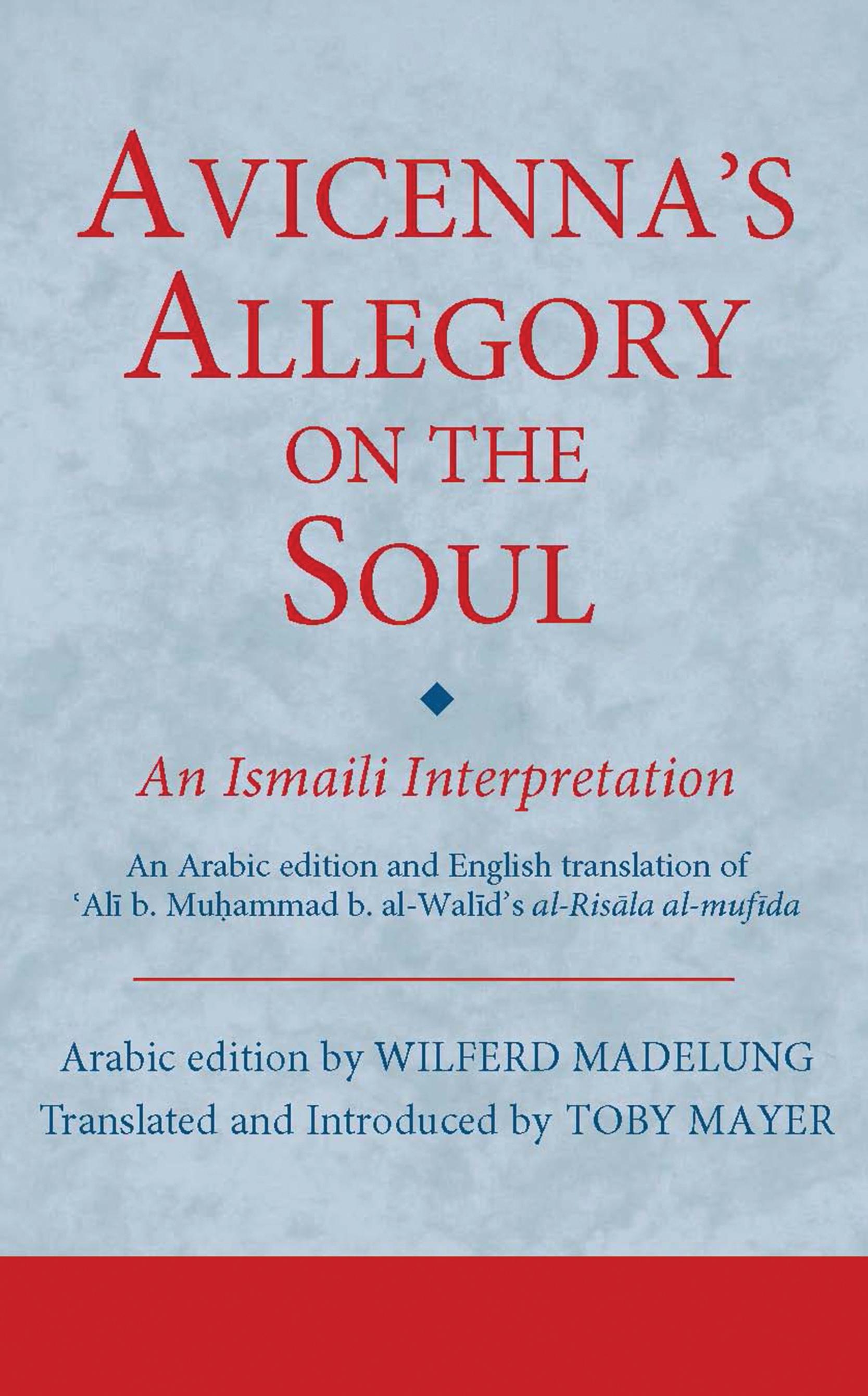
The Persian philosopher Ibn Sina (d. 1037), known in Europe as Avicenna, was arguably the greatest master of Aristotelian thought in the Muslim world. The symbolical Poem on the Soul (Qasidat al-nafs), which portrays all earthly human souls as in temporary exile from heaven, is traditionally attributed to Avicenna, and was received with enthusiasm by its commentators. A highly significant commentary on the Qasida was written by ?Ali b. Muhammad b. al-Walid (d. 1215 CE), a major early representative of the Tayyibi Ismaili tradition, which emerged and flourished in medieval Yemen. In his view, the poem encapsulated Tayyibi beliefs, whose doctrines bear striking parallels with late antique Gnosticism. Avicenna s Allegory on the Soul presents the first edition of the Arabic text of Ibn al-Walid s commentary, The Useful Epistle (al-Risala al-mufida), alongside an English translation and extended introduction. It offers invaluable insight into the intricacies of Muslim thought and a deeper understanding of Avicenna s substantial intellectual legacy."
The Persian philosopher Ibn Sina (d. 1037), known in Europe as Avicenna, was arguably the greatest master of Aristotelian thought in the Muslim world. The symbolical Poem on the Soul (Qasidat al-nafs), which portrays all earthly human souls as in temporary exile from heaven, is traditionally attributed to Avicenna, and was received with enthusiasm by its commentators. A highly significant commentary on the Qasida was written by ?Ali b. Muhammad b. al-Walid (d. 1215 CE), a major early representative of the Tayyibi Ismaili tradition, which emerged and flourished in medieval Yemen. In his view, the poem encapsulated Tayyibi beliefs, whose doctrines bear striking parallels with late antique Gnosticism. Avicenna s Allegory on the Soul presents the first edition of the Arabic text of Ibn al-Walid s commentary, The Useful Epistle (al-Risala al-mufida), alongside an English translation and extended introduction. It offers invaluable insight into the intricacies of Muslim thought and a deeper understanding of Avicenna s substantial intellectual legacy."
Betala smidigt med kort, Klarna, Apple Pay eller Google Pay. Är du inte nöjd har du alltid 14 dagars ångerrätt. Läs mer i våra villkor. Har du några frågor, mejla oss på hello@memmo.org.
Memmo gör det enklare att plugga – var du än är i världen. Hos oss samlar du kursböcker och smarta studieverktyg på ett och samma ställe: sammanfattningar, quiz, poddar och flashcards. Och så Ted, din studiekompis som svarar på allt du undrar. Över 50 000 studenter pluggar redan här – byggt för att du ska lära dig snabbare och stressa mindre.