
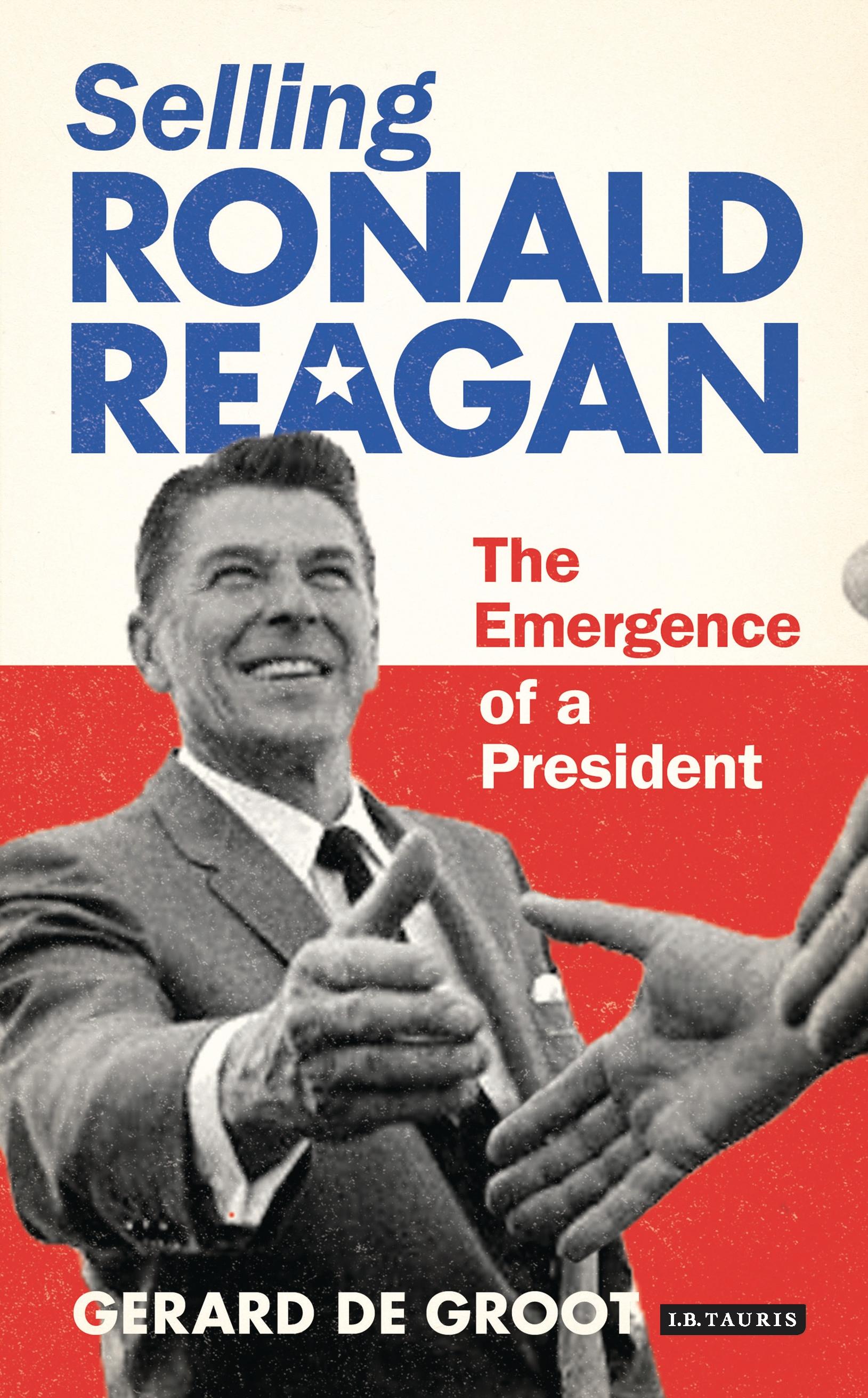
Before 1966, the idea of Reagan in politics provoked widespread scorn. To most people, he seemed a has-been actor, a right-wing extremist and a 'dunce'. Journalists therefore ridiculed his aspirations to be governor of California. No one, however, doubted his incredible ability to communicate with a crowd. In order to succeed in his campaign, Reagan had to be packaged as an outsider - an antidote to politics as usual. A highly sophisticated team of marketers and ad-men turned the scary right-winger into a harmless moderate who could attract supporters from across the political spectrum. Researchers meanwhile provided the coaching that allowed Reagan to seem well-informed - all of which led to Reagan winning the California governorship by a landslide. Gerard DeGroot here explores how, in the decade of consumerism, Reagan was marketed as a product. While there is no doubting his natural abilities as a campaigner, Reagan won in 1966 because his team of advisers understood how to sell their candidate, and he, wisely, allowed himself to be sold.
Selling Ronald Reagan tells the story of Reagan's first election, when the nature of campaigning was forever altered and a titan of modern American history emerged.
Selling Ronald Reagan tells the story of Reagan's first election, when the nature of campaigning was forever altered and a titan of modern American history emerged.
Betala smidigt med kort, Klarna, Apple Pay eller Google Pay. Är du inte nöjd har du alltid 14 dagars ångerrätt. Läs mer i våra villkor. Har du några frågor, mejla oss på hello@memmo.org.
Memmo gör det enklare att plugga – var du än är i världen. Hos oss samlar du kursböcker och smarta studieverktyg på ett och samma ställe: sammanfattningar, quiz, poddar och flashcards. Och så Ted, din studiekompis som svarar på allt du undrar. Över 50 000 studenter pluggar redan här – byggt för att du ska lära dig snabbare och stressa mindre.