
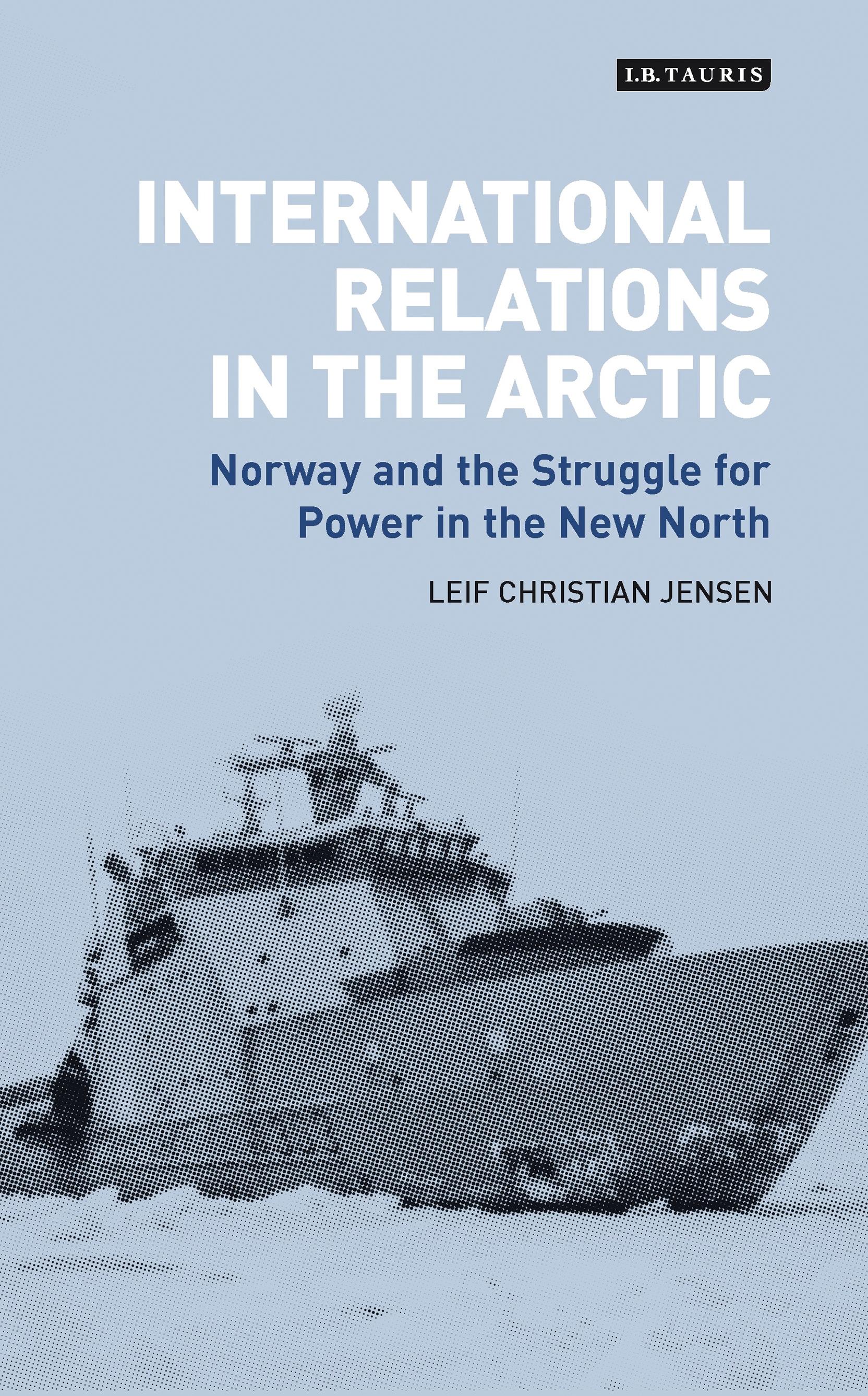
As the ice around the Arctic landmass recedes progressively further each year, the territory has become a flashpoint in world affairs. New and lucrative trade routes from East to West are now becoming accessible for shipping lanes and military deployment, and the Arctic is known to be home to large gas and oil reserves. Yet the territorial boundaries of the region remain ill-defined. In response to these geographical changes the Scandinavian countries, especially Denmark and Norway, have begun staking large proprietary claims in the face of pressure from the major powers – Russia, Canada, the US and China – for the trade routes to be designated as International Waters. Here, Norwegian scholar Leif Christian Jensen shows how Norway has undergone a positional shift after declaring its assertive position on the Arctic in 2005. Its disputes with Russia have created a new foreign policy dilemma, and a new set of 'red-lines' in Norwegian policy. Is Norway, as it would like to be seen, an environmentally friendly, peaceful, 'enlightened' nation? Or does this geopolitical shift in world affairs necessitate a new and more aggressive Scandinavia? International Relations in the Arctic makes a timely contribution to the 'turn to the North' in International Relations and Political Science.
Betala smidigt med kort, Klarna, Apple Pay eller Google Pay. Är du inte nöjd har du alltid 14 dagars ångerrätt. Läs mer i våra villkor. Har du några frågor, mejla oss på hello@memmo.org.
Memmo gör det enklare att plugga – var du än är i världen. Hos oss samlar du kursböcker och smarta studieverktyg på ett och samma ställe: sammanfattningar, quiz, poddar och flashcards. Och så Ted, din studiekompis som svarar på allt du undrar. Över 50 000 studenter pluggar redan här – byggt för att du ska lära dig snabbare och stressa mindre.