
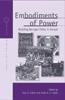
The period of the baroque (late sixteenth to mid-eighteenth centuries) saw extensive reconfiguration of European cities and their public spaces. Yet, this transformation cannot be limited merely to signifying a style of art, architecture, and decor. Rather, the dynamism, emotionality, and potential for grandeur that were inherent in the baroque style developed in close interaction with the need and desire of post-Reformation Europeans to find visual expression for the new political, confessional, and societal realities. Highly illustrated, this volume examines these complex interrelationships among architecture and art, power, religion, and society from a wide range of viewpoints and localities. From Krakow to Madrid and from Naples to Dresden, cities were reconfigured visually as well as politically and socially. Power, in both its political and architectural guises, had to be negotiated among constituents ranging from monarchs and high churchmen to ordinary citizens. Within this process, both rulers and ruled were transformed: Europe left behind the last vestiges of the medieval and arrived on the threshold of the modern.
Betala smidigt med kort, Klarna, Apple Pay eller Google Pay. Är du inte nöjd har du alltid 14 dagars ångerrätt. Läs mer i våra villkor. Har du några frågor, mejla oss på hello@memmo.org.
Memmo gör det enklare att plugga – var du än är i världen. Hos oss samlar du kursböcker och smarta studieverktyg på ett och samma ställe: sammanfattningar, quiz, poddar och flashcards. Och så Ted, din studiekompis som svarar på allt du undrar. Över 75 000 studenter pluggar redan här – byggt för att du ska lära dig snabbare och stressa mindre.