
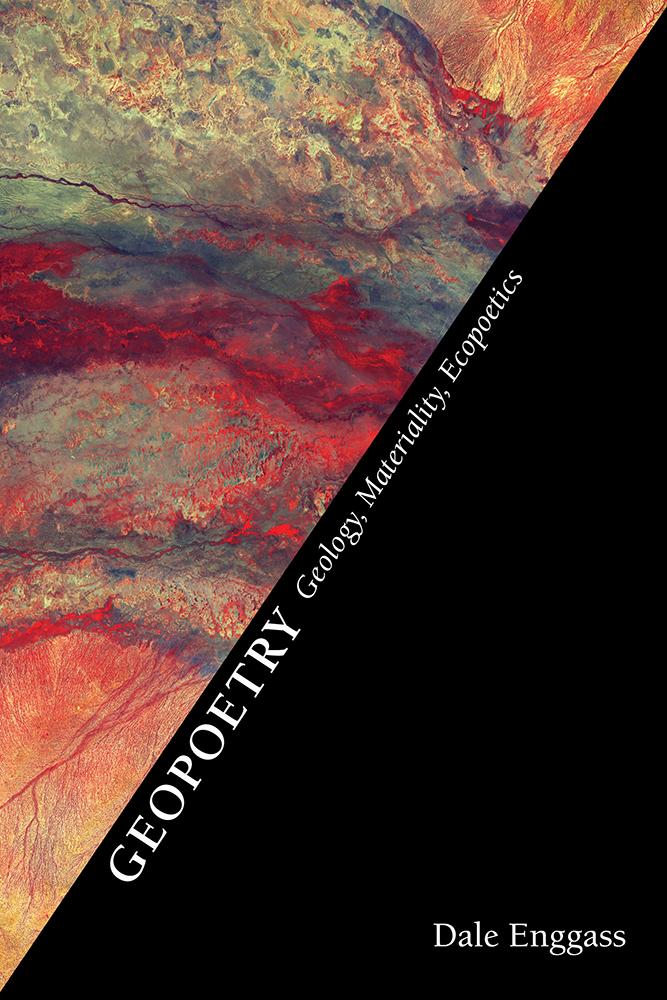
At its core, geopoetics proposes that a connection between language and geology has become a significant development in post–World War II poetics. In Geopoetry, Dale Enggass argues that certain literary works enact geologic processes, such as erosion and deposition, and thereby suggest that language itself is a geologic––and not a solely human-based––process. Elements of language extend past human control and open onto an inhuman dimension, which raises the question of how literary works approach the representation of nonhuman realms. Enggass examines the work of Clark Coolidge, Robert Smithson, Ed Dorn, Maggie O’Sullivan, Jeremy Prynne, Jen Bervin, Christian Bök, and Steve McCaffery, and he finds that while many of these authors are not traditionally connected to ecocritical writing, their innovations are central to ecocritical concerns. In treating language as a geological material, these authors interrogate the boundary between human and nonhuman realms and offer a model for a complex literary engagement with the Anthropocene.
Betala smidigt med kort, Klarna, Apple Pay eller Google Pay. Är du inte nöjd har du alltid 14 dagars ångerrätt. Läs mer i våra villkor. Har du några frågor, mejla oss på hello@memmo.org.
Memmo gör det enklare att plugga – var du än är i världen. Hos oss samlar du kursböcker och smarta studieverktyg på ett och samma ställe: sammanfattningar, quiz, poddar och flashcards. Och så Ted, din studiekompis som svarar på allt du undrar. Över 50 000 studenter pluggar redan här – byggt för att du ska lära dig snabbare och stressa mindre.