
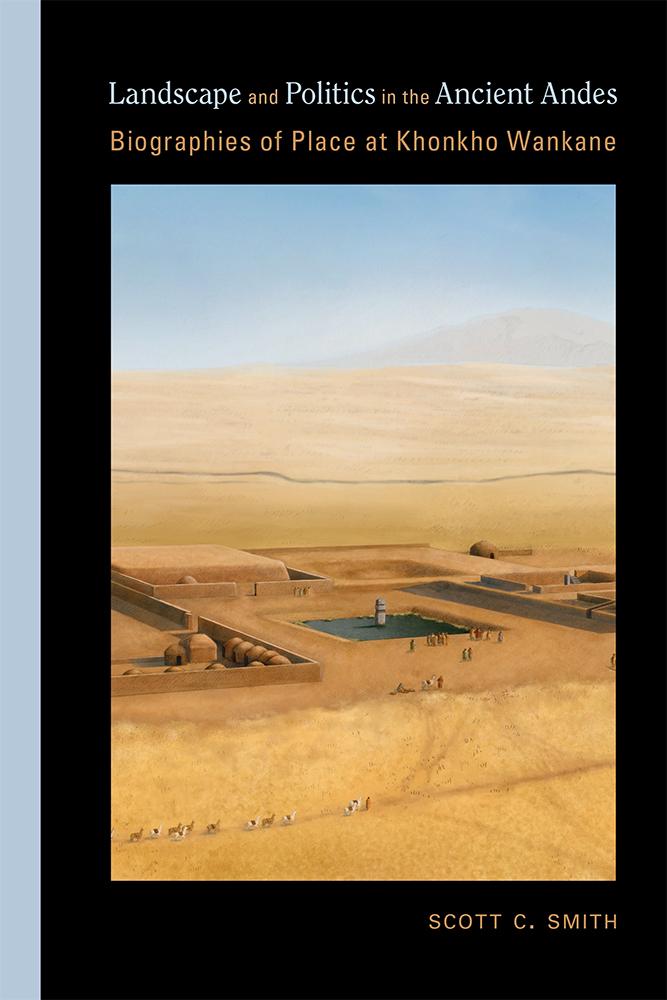
This book is a study of the ways places are created and how they attain meaning. Smith presents archaeological data from Khonkho Wankane in the southern Lake Titicaca basin of Bolivia to explore how landscapes were imagined and constructed during processes of political centralization in this region. In particular he examines landscapes of movement and the development of powerful political and religious centers during the Late Formative period (200 BC–AD 500), just before the emergence of the urban state centered at Tiwanaku (AD 500–1100).
Late Formative politico-religious centers, Smith notes, were characterized by mobile populations of agropastoralists and caravan drovers. By exploring ritual practice at Late Formative settlements, Smith provides a new way of looking at political centralization, incipient urbanism, and state formation at Tiwanaku.
Betala smidigt med kort, Klarna, Apple Pay eller Google Pay. Är du inte nöjd har du alltid 14 dagars ångerrätt. Läs mer i våra villkor. Har du några frågor, mejla oss på hello@memmo.org.
Memmo gör det enklare att plugga – var du än är i världen. Hos oss samlar du kursböcker och smarta studieverktyg på ett och samma ställe: sammanfattningar, quiz, poddar och flashcards. Och så Ted, din studiekompis som svarar på allt du undrar. Över 50 000 studenter pluggar redan här – byggt för att du ska lära dig snabbare och stressa mindre.