
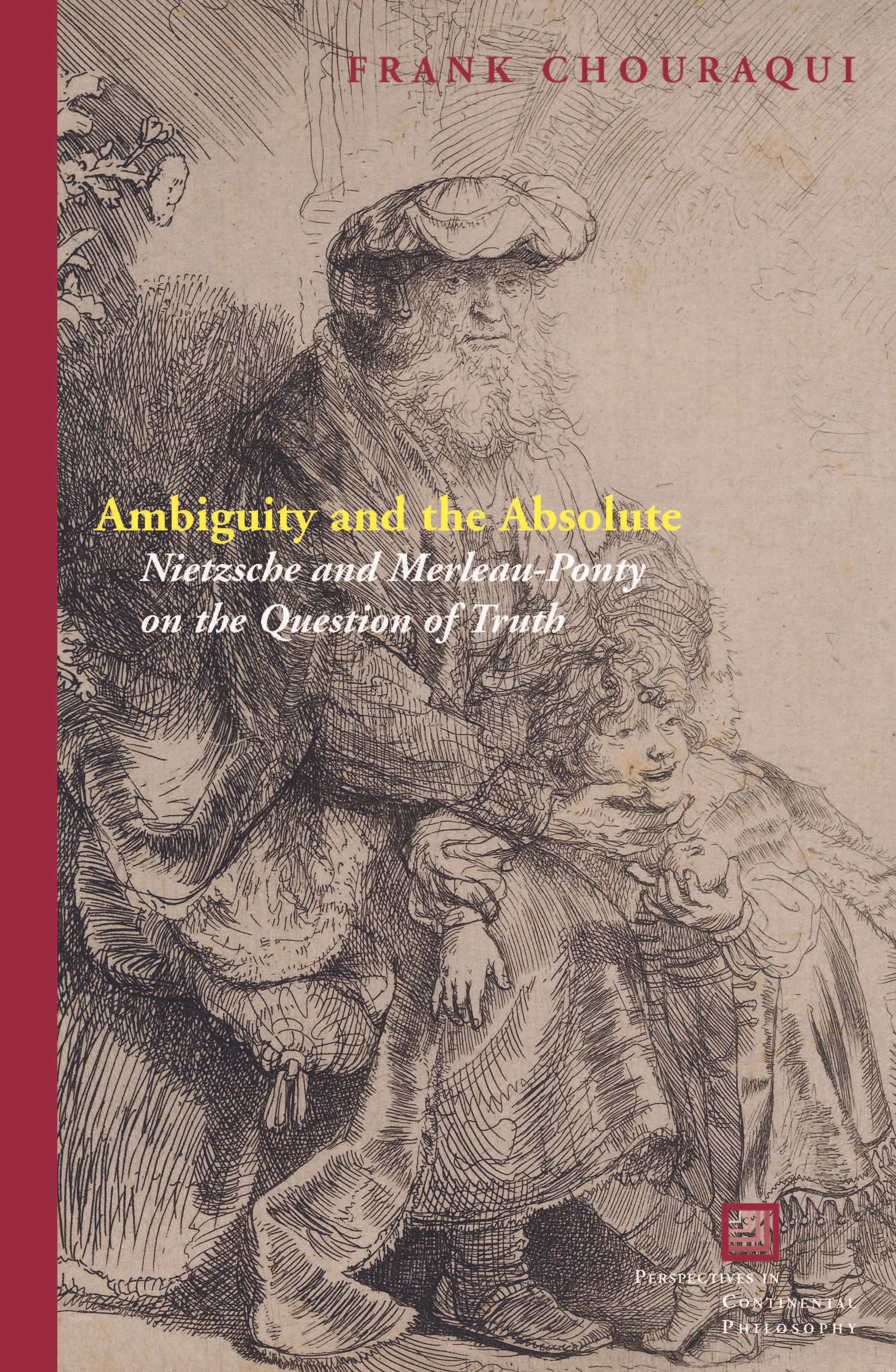
Friedrich Nietzsche and Maurice Merleau-Ponty, Chouraqui argues, are linked by how they conceive the question of truth. Although both thinkers criticize the traditional concept of truth as objectivity, they both find that rejecting it does not solve the problem. What is it in our natural existence that gave rise to the notion of truth?
The answer to that question is threefold. First, Nietzsche and Merleau-Ponty both propose a genealogy of “truth” in which to exist means to make implicit truth claims. Second, both seek to recover the preobjective ground from which truth as an erroneous concept arose. Finally, this attempt at recovery leads both thinkers to ontological considerations regarding how we must conceive of a being whose structure allows for the existence of the belief in truth. In conclusion, Chouraqui suggests that both thinkers’ investigations of the question of truth lead them to conceive of being as the process of self-falsification by which indeterminate being presents itself as determinate.
Betala smidigt med kort, Klarna, Apple Pay eller Google Pay. Är du inte nöjd har du alltid 14 dagars ångerrätt. Läs mer i våra villkor. Har du några frågor, mejla oss på hello@memmo.org.
Memmo gör det enklare att plugga – var du än är i världen. Hos oss samlar du kursböcker och smarta studieverktyg på ett och samma ställe: sammanfattningar, quiz, poddar och flashcards. Och så Ted, din studiekompis som svarar på allt du undrar. Över 50 000 studenter pluggar redan här – byggt för att du ska lära dig snabbare och stressa mindre.