
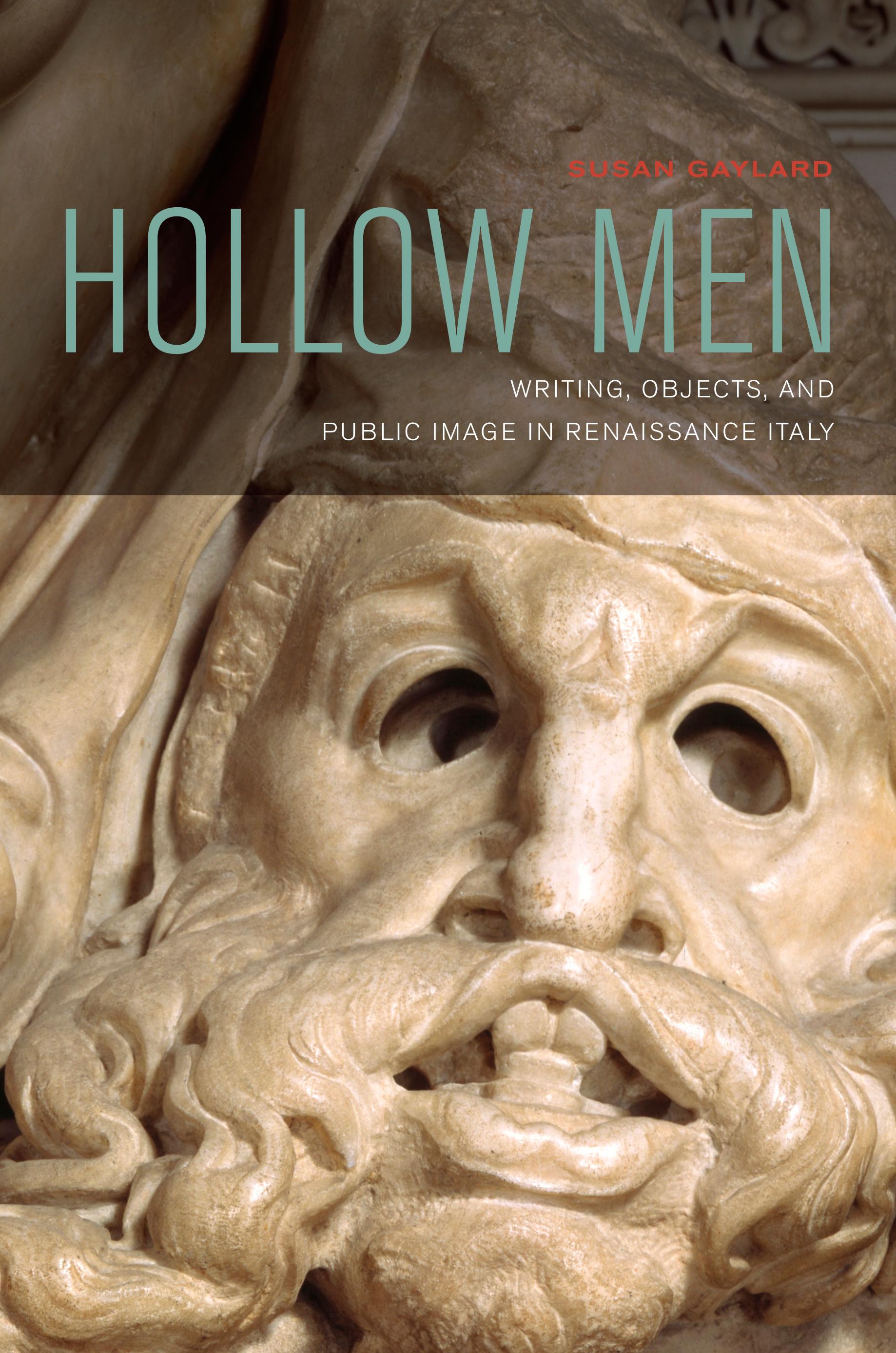
This book relates developments in the visual arts and printing to humanist theories of literary and bodily imitation, bringing together fifteenth- and sixteenth-century frescoes, statues, coins, letters, dialogues, epic poems, personal emblems, and printed collections of portraits. Its interdisciplinary analyses show that Renaissance theories of emulating classical heroes generated a deep skepticism about self-presentation, ultimately contributing to a new awareness of representation as representation.
Hollow Men shows that the Renaissance questioning of “interiority” derived from a visual ideal, the monument that was the basis of teachings about imitation. In fact, the decline of exemplary pedagogy and the emergence of modern masculine subjectivity were well underway in the mid–fifteenth century, and these changes were hastened by the rapid development of the printed image.
Betala smidigt med kort, Klarna, Apple Pay eller Google Pay. Är du inte nöjd har du alltid 14 dagars ångerrätt. Läs mer i våra villkor. Har du några frågor, mejla oss på hello@memmo.org.
Memmo gör det enklare att plugga – var du än är i världen. Hos oss samlar du kursböcker och smarta studieverktyg på ett och samma ställe: sammanfattningar, quiz, poddar och flashcards. Och så Ted, din studiekompis som svarar på allt du undrar. Över 75 000 studenter pluggar redan här – byggt för att du ska lära dig snabbare och stressa mindre.