
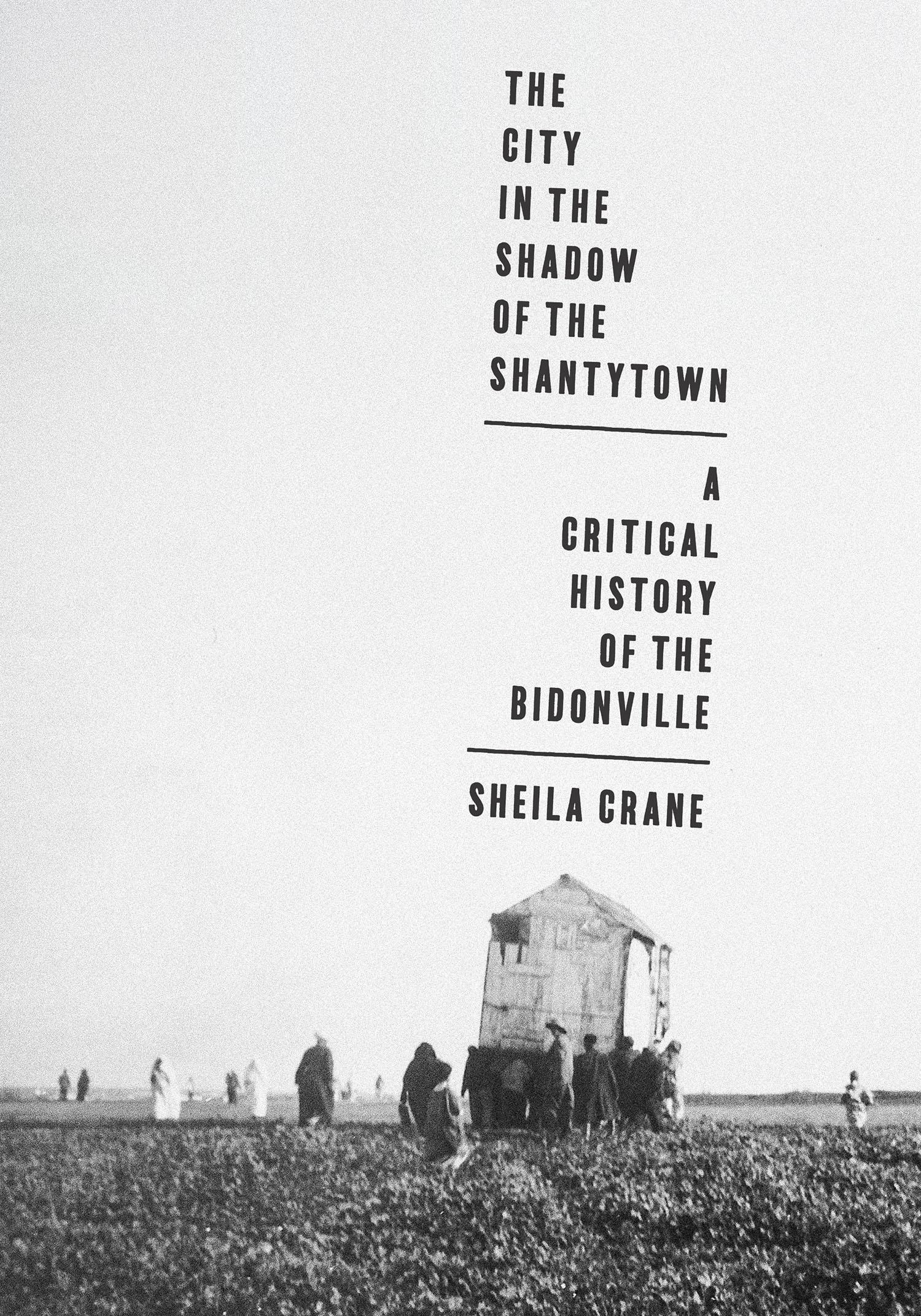
Architects, politicians, and planners have repeatedly framed shantytowns or slums as aberrant, unplanned developments that stand apart from the city proper, rather than integral components of the urban landscape with their own layered histories and often unrealized potentials. Describing a site as a bidonville––the francophone equivalent of the shantytown––positioned it as a foil to and catalyst for new architectural projects, anticipating and authorizing its targeting, control, and dispossession. In this richly illustrated study, Sheila Crane charts the emergence of the bidonville, a term first consolidated in Casablanca following the establishment of the French Protectorate of Morocco in 1912 that was subsequently used to categorize and systematically target urban areas across Morocco, Algeria, and beyond—processes that continue to shape planning and urban landscapes today. Tracing significant episodes that extend into the post-independence period, Crane reveals how the bidonville became a potent artifact of the colonial city and a formative site for anticolonial thinking and action. Far from self-contained enclosures, sites deemed bidonvilles were shaped by dynamic human and non-human entanglements central to this book.
Kategori: Arkitektur & Stadsplanering
e-ISBN: 9780822992417
Betala smidigt med kort, Klarna, Apple Pay eller Google Pay. Är du inte nöjd har du alltid 14 dagars ångerrätt. Läs mer i våra villkor. Har du några frågor, mejla oss på hello@memmo.org.
Memmo gör det enklare att plugga – var du än är i världen. Hos oss samlar du kursböcker och smarta studieverktyg på ett och samma ställe: sammanfattningar, quiz, poddar och flashcards. Och så Ted, din studiekompis som svarar på allt du undrar. Över 75 000 studenter pluggar redan här – byggt för att du ska lära dig snabbare och stressa mindre.
Du kanske också gillar
Köp boken0