
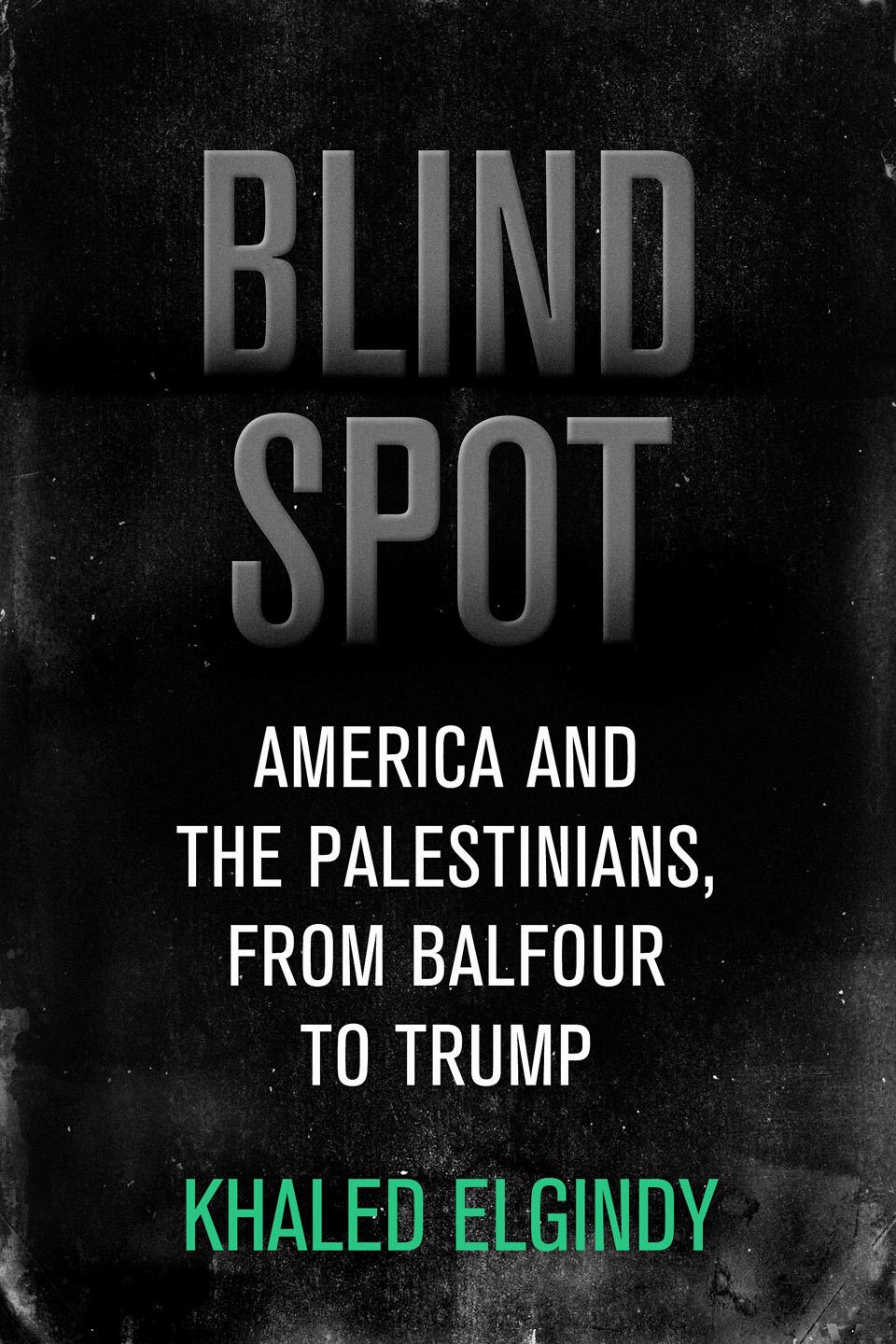
A critical examination of the history of US-Palestinian relations
The United States has invested billions of dollars and countless diplomatic hours in the pursuit of Israeli-Palestinian peace and a two-state solution. Yet American attempts to broker an end to the conflict have repeatedly come up short. At the center of these failures lay two critical factors: Israeli power and Palestinian politics.
While both Israelis and Palestinians undoubtedly share much of the blame, one also cannot escape the role of the United States, as the sole mediator in the process, in these repeated failures. American peacemaking efforts ultimately ran aground as a result of Washington's unwillingness to confront Israel's ever-deepening occupation or to come to grips with the realities of internal Palestinian politics. In particular, the book looks at the interplay between the U.S.-led peace process and internal Palestinian politicsnamely, how a badly flawed peace process helped to weaken Palestinian leaders and institutions and how an increasingly dysfunctional Palestinian leadership, in turn, hindered prospects for a diplomatic resolution. Thus, while the peace process was not necessarily doomed to fail, Washington's management of the process, with its built-in blind spot to Israeli power and Palestinian politics, made failure far more likely than a negotiated breakthrough.
Shaped by the pressures of American domestic politics and the special relationship with Israel, Washington's distinctive blind spot to Israeli power and Palestinian politics has deep historical roots, dating back to the 1917 Balfour Declaration and the British Mandate. The size of the blind spot has varied over the years and from one administration to another, but it is always present.
The United States has invested billions of dollars and countless diplomatic hours in the pursuit of Israeli-Palestinian peace and a two-state solution. Yet American attempts to broker an end to the conflict have repeatedly come up short. At the center of these failures lay two critical factors: Israeli power and Palestinian politics.
While both Israelis and Palestinians undoubtedly share much of the blame, one also cannot escape the role of the United States, as the sole mediator in the process, in these repeated failures. American peacemaking efforts ultimately ran aground as a result of Washington's unwillingness to confront Israel's ever-deepening occupation or to come to grips with the realities of internal Palestinian politics. In particular, the book looks at the interplay between the U.S.-led peace process and internal Palestinian politicsnamely, how a badly flawed peace process helped to weaken Palestinian leaders and institutions and how an increasingly dysfunctional Palestinian leadership, in turn, hindered prospects for a diplomatic resolution. Thus, while the peace process was not necessarily doomed to fail, Washington's management of the process, with its built-in blind spot to Israeli power and Palestinian politics, made failure far more likely than a negotiated breakthrough.
Shaped by the pressures of American domestic politics and the special relationship with Israel, Washington's distinctive blind spot to Israeli power and Palestinian politics has deep historical roots, dating back to the 1917 Balfour Declaration and the British Mandate. The size of the blind spot has varied over the years and from one administration to another, but it is always present.
Sidor: 345
Kategori: Statsvetenskap & Politik
e-ISBN: 9780815731566
Fraktvikt: 1.2 kg
Skickas inom: 1-2 dagar
Betala smidigt med kort, Klarna, Apple Pay eller Google Pay. Är du inte nöjd har du alltid 14 dagars ångerrätt. Läs mer i våra villkor. Har du några frågor, mejla oss på hello@memmo.org.
Memmo gör det enklare att plugga – var du än är i världen. Hos oss samlar du kursböcker och smarta studieverktyg på ett och samma ställe: sammanfattningar, quiz, poddar och flashcards. Och så Ted, din studiekompis som svarar på allt du undrar. Över 50 000 studenter pluggar redan här – byggt för att du ska lära dig snabbare och stressa mindre.