
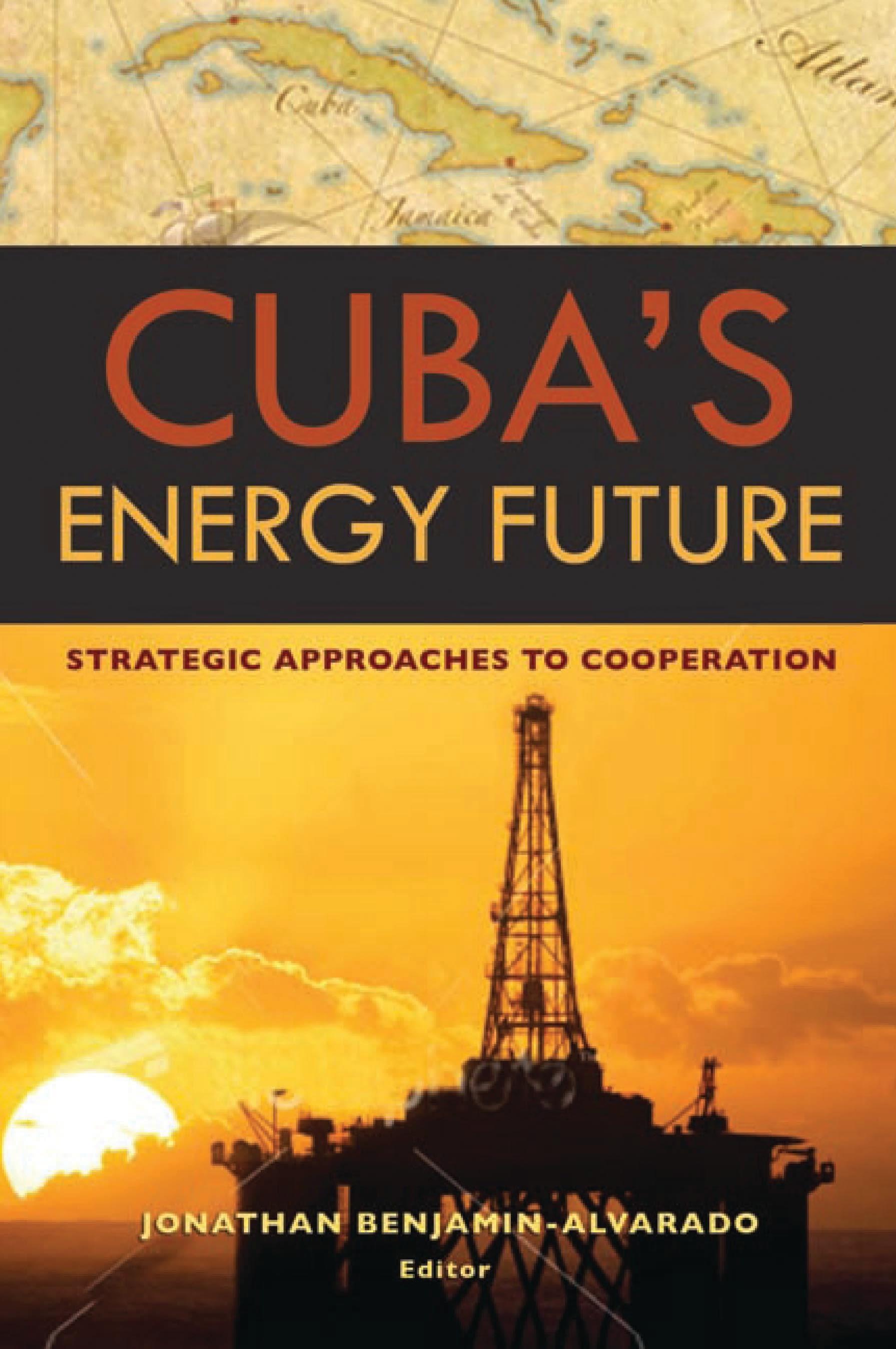
Approaching an uncertain future without Fidel Castro, and still reeling from a downturn at the end of the cold war, Cuba must act decisively to improve its economy and living conditions. One of the major challenges facing the impoverished island nation is securing access to energy resources that are sufficient to meet the needs of its revitalization and development goals. What steps can Cuba take to achieve both short- and long-term energy sustainability and self-sufficiency? In this timely analysis, Jonathan Benjamin-Alvarado and his colleagues answer that question.
Cuba's Energy Future sets the geostrategic context within which Cuba is operating. The book provides an overview of the evolving relations among Caribbean states and explains why Cuba and its longtime nemesis the United States should look for ways to cooperate on developing energy resources. The possible role of oil companies is explored, as is Cuba's energy relationship with Hugo Chavez's Venezuela.
The second section of Cuba's Energy Future features economic and technical appraisals, economic projections, and trends affecting Cuba's energy needs, including oil and natural gas potential, the country's antiquated electric power sector, and the role of biofuels such as sugarcane ethanol. The concluding section focuses on the conditions necessary for, and the mutual benefits of, greater cooperative engagement with the United States.
Contributors: Juan A. B. Belt (Chemonics International, formerly USAID), Jonathan Benjamin-Alvarado (University of NebraskaOmaha and University of Georgia), Amy Myers Jaffe (Rice University), Jorge R. Piñón (Florida International University), Ronald Soligo (Rice University).
Cuba's Energy Future sets the geostrategic context within which Cuba is operating. The book provides an overview of the evolving relations among Caribbean states and explains why Cuba and its longtime nemesis the United States should look for ways to cooperate on developing energy resources. The possible role of oil companies is explored, as is Cuba's energy relationship with Hugo Chavez's Venezuela.
The second section of Cuba's Energy Future features economic and technical appraisals, economic projections, and trends affecting Cuba's energy needs, including oil and natural gas potential, the country's antiquated electric power sector, and the role of biofuels such as sugarcane ethanol. The concluding section focuses on the conditions necessary for, and the mutual benefits of, greater cooperative engagement with the United States.
Contributors: Juan A. B. Belt (Chemonics International, formerly USAID), Jonathan Benjamin-Alvarado (University of NebraskaOmaha and University of Georgia), Amy Myers Jaffe (Rice University), Jorge R. Piñón (Florida International University), Ronald Soligo (Rice University).
Sidor: 143
Kategori: Statsvetenskap & Politik
e-ISBN: 9780815704591
Fraktvikt: 1.2 kg
Skickas inom: 1-2 dagar
Betala smidigt med kort, Klarna, Apple Pay eller Google Pay. Är du inte nöjd har du alltid 14 dagars ångerrätt. Läs mer i våra villkor. Har du några frågor, mejla oss på hello@memmo.org.
Memmo gör det enklare att plugga – var du än är i världen. Hos oss samlar du kursböcker och smarta studieverktyg på ett och samma ställe: sammanfattningar, quiz, poddar och flashcards. Och så Ted, din studiekompis som svarar på allt du undrar. Över 50 000 studenter pluggar redan här – byggt för att du ska lära dig snabbare och stressa mindre.