
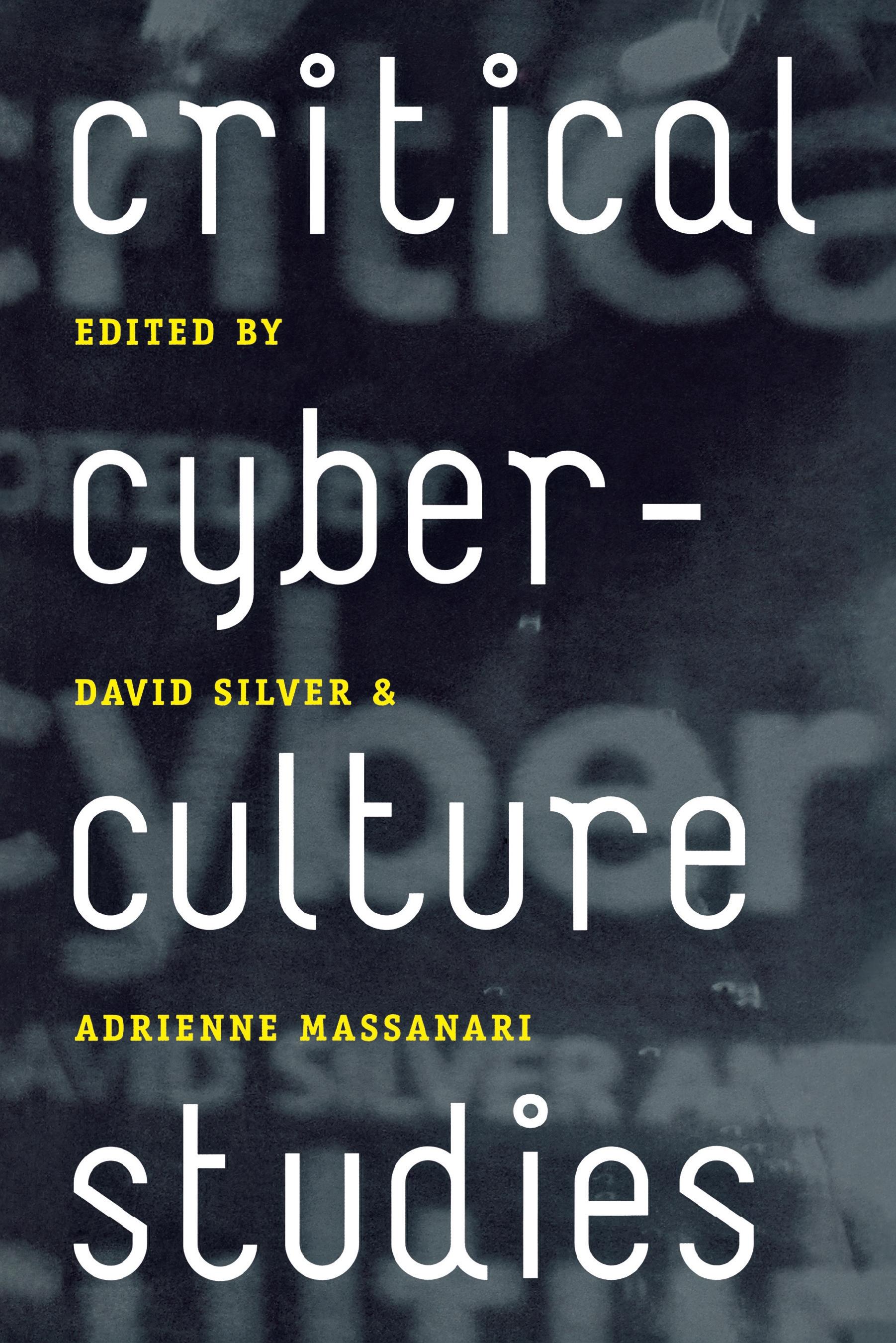
Starting in the early 1990s, journalists and scholars began responding to and trying to take account of new technologies and their impact on our lives. By the end of the decade, the full-fledged study of cyberculture had arrived. Today, there exists a large body of critical work on the subject, with cutting-edge studies probing beyond the mere existence of virtual communities and online identities to examine the social, cultural, and economic relationships that take place online.
Taking stock of the exciting work that is being done and positing what cyberculture’s future might look like, Critical Cyberculture Studies brings together a diverse and multidisciplinary group of scholars from around the world to assess the state of the field. Opening with a historical overview of the field by its most prominent spokesperson, it goes on to highlight the interests and methodologies of a mobile and creative field, providing a much-needed how-to guide for those new to cyberstudies. The final two sections open up to explore issues of race, class, and gender and digital media's ties to capital and commerce—from the failure of dot-coms to free software and the hacking movement.
This flagship book is a must-read for anyone interested in the dynamic and increasingly crucial study of cyberculture and new technologies.
Betala smidigt med kort, Klarna, Apple Pay eller Google Pay. Är du inte nöjd har du alltid 14 dagars ångerrätt. Läs mer i våra villkor. Har du några frågor, mejla oss på hello@memmo.org.
Memmo gör det enklare att plugga – var du än är i världen. Hos oss samlar du kursböcker och smarta studieverktyg på ett och samma ställe: sammanfattningar, quiz, poddar och flashcards. Och så Ted, din studiekompis som svarar på allt du undrar. Över 50 000 studenter pluggar redan här – byggt för att du ska lära dig snabbare och stressa mindre.