
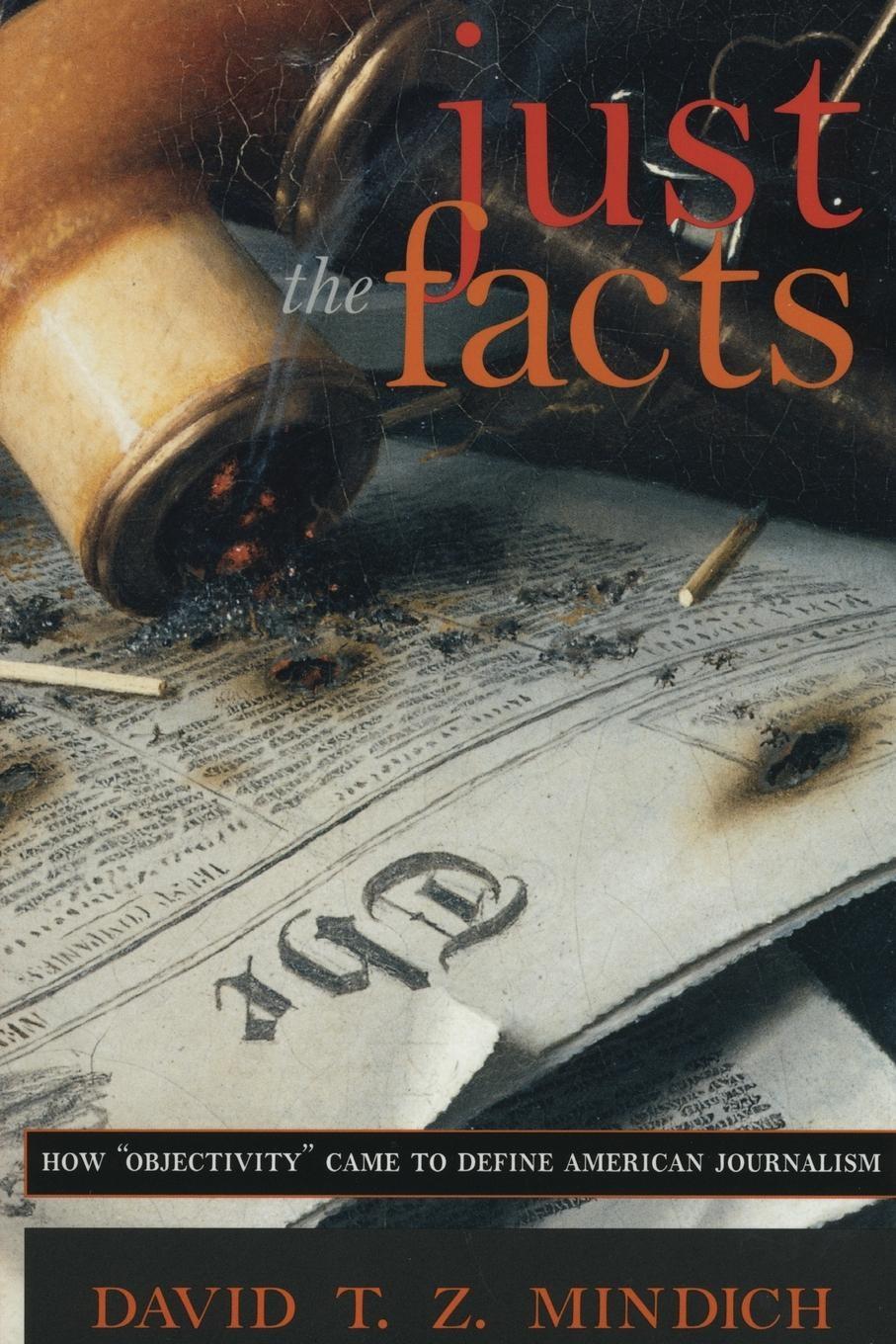
Draws a history of journalism's most respected tenet—objectivity
If American journalism were a religion, as it has been called, then its supreme deity would be "objectivity." The high priests of the profession worship the concept, while the iconoclasts of advocacy journalism, new journalism, and cyberjournalism consider objectivity a golden calf. Meanwhile, a groundswell of tabloids and talk shows and the increasing infringement of market concerns make a renewed discussion of the validity, possibility, and aim of objectivity a crucial pursuit.
Despite its position as the orbital sun of journalistic ethics, objectivity—until now—has had no historian. David T. Z. Mindich reaches back to the nineteenth century to recover the lost history and meaning of this central tenet of American journalism. His book draws on high profile cases, showing the degree to which journalism and its evolving commitment to objectivity altered–and in some cases limited—the public's understanding of events and issues. Mindich devotes each chapter to a particular component of this ethic–detachment, nonpartisanship, the inverted pyramid style, facticity, and balance. Through this combination of history and cultural criticism, Mindich provides a profound meditation on the structure, promise, and limits of objectivity in the age of cybermedia.
Betala smidigt med kort, Klarna, Apple Pay eller Google Pay. Är du inte nöjd har du alltid 14 dagars ångerrätt. Läs mer i våra villkor. Har du några frågor, mejla oss på hello@memmo.org.
Memmo gör det enklare att plugga – var du än är i världen. Hos oss samlar du kursböcker och smarta studieverktyg på ett och samma ställe: sammanfattningar, quiz, poddar och flashcards. Och så Ted, din studiekompis som svarar på allt du undrar. Över 50 000 studenter pluggar redan här – byggt för att du ska lära dig snabbare och stressa mindre.