
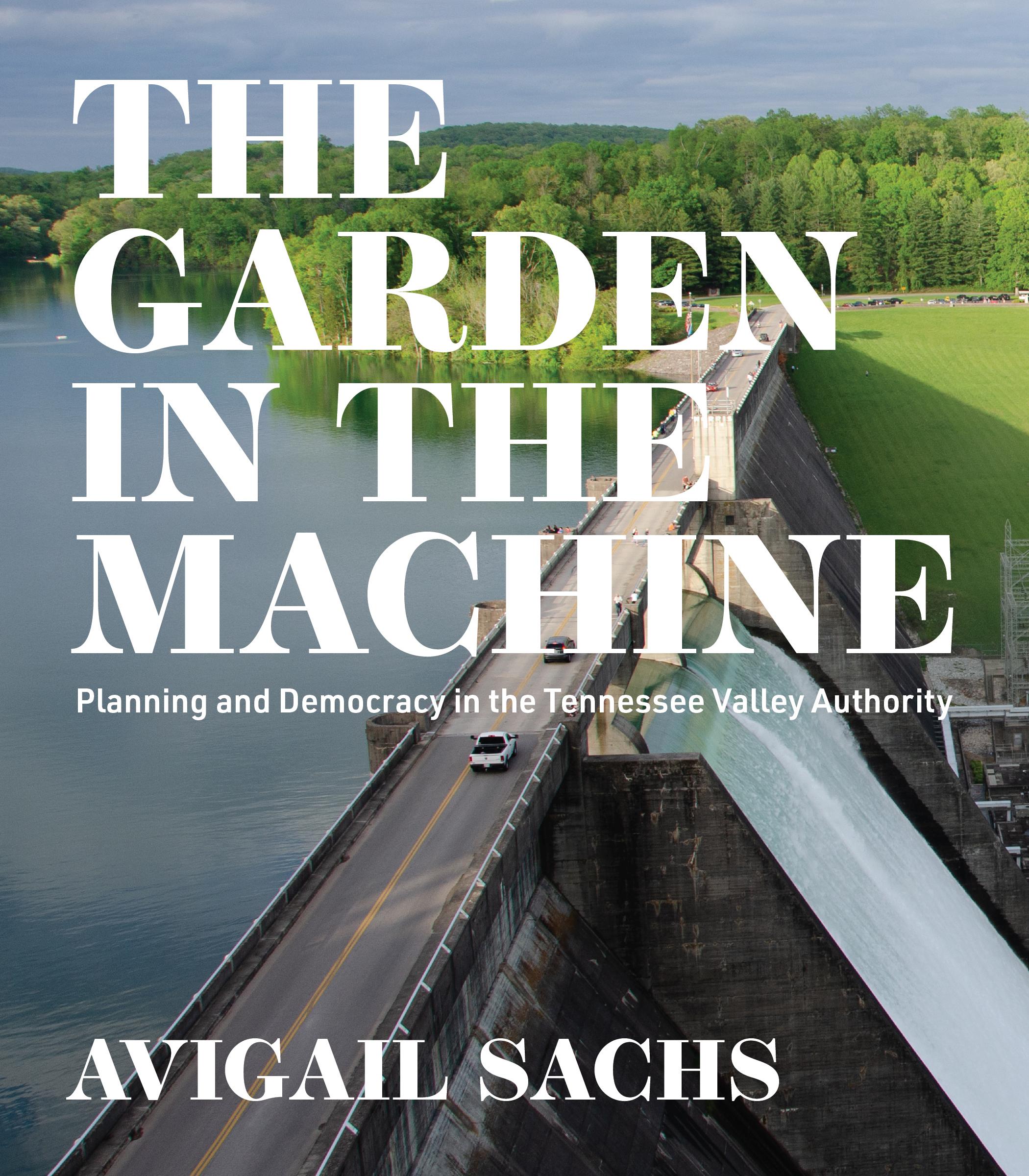
The Tennessee Valley Authority was the largest single agency created under the auspices of the New Deal legislation. Until 1933, when the project was initiated, the Tennessee Valley was known romantically as "a region of untapped potential" and, less romantically, as one of the most impoverished and isolated areas of the country. The TVA was responsible for three large-scale environmental projects–the river, land, and power machines–but the project also had social, even utopian, goals. In service to the latter, the TVA put together a cadre of regional planners, architects, and landscape architects that Avigail Sachs calls the "atelier TVA." These professionals contributed to the design of the system of multipurpose dams, arranged visitor centers and scenic routes, built housing and communities (although both were segregated), and instigated a regional recreation industry. In addition to its planning and design history audience, this volume will be of interest to environmental historians and historians of the Progressive Era.
Publication of this volume was assisted by a grant from Furthermore: a program of the J. M. Kaplan Fund.
Betala smidigt med kort, Klarna, Apple Pay eller Google Pay. Är du inte nöjd har du alltid 14 dagars ångerrätt. Läs mer i våra villkor. Har du några frågor, mejla oss på hello@memmo.org.
Memmo gör det enklare att plugga – var du än är i världen. Hos oss samlar du kursböcker och smarta studieverktyg på ett och samma ställe: sammanfattningar, quiz, poddar och flashcards. Och så Ted, din studiekompis som svarar på allt du undrar. Över 75 000 studenter pluggar redan här – byggt för att du ska lära dig snabbare och stressa mindre.