
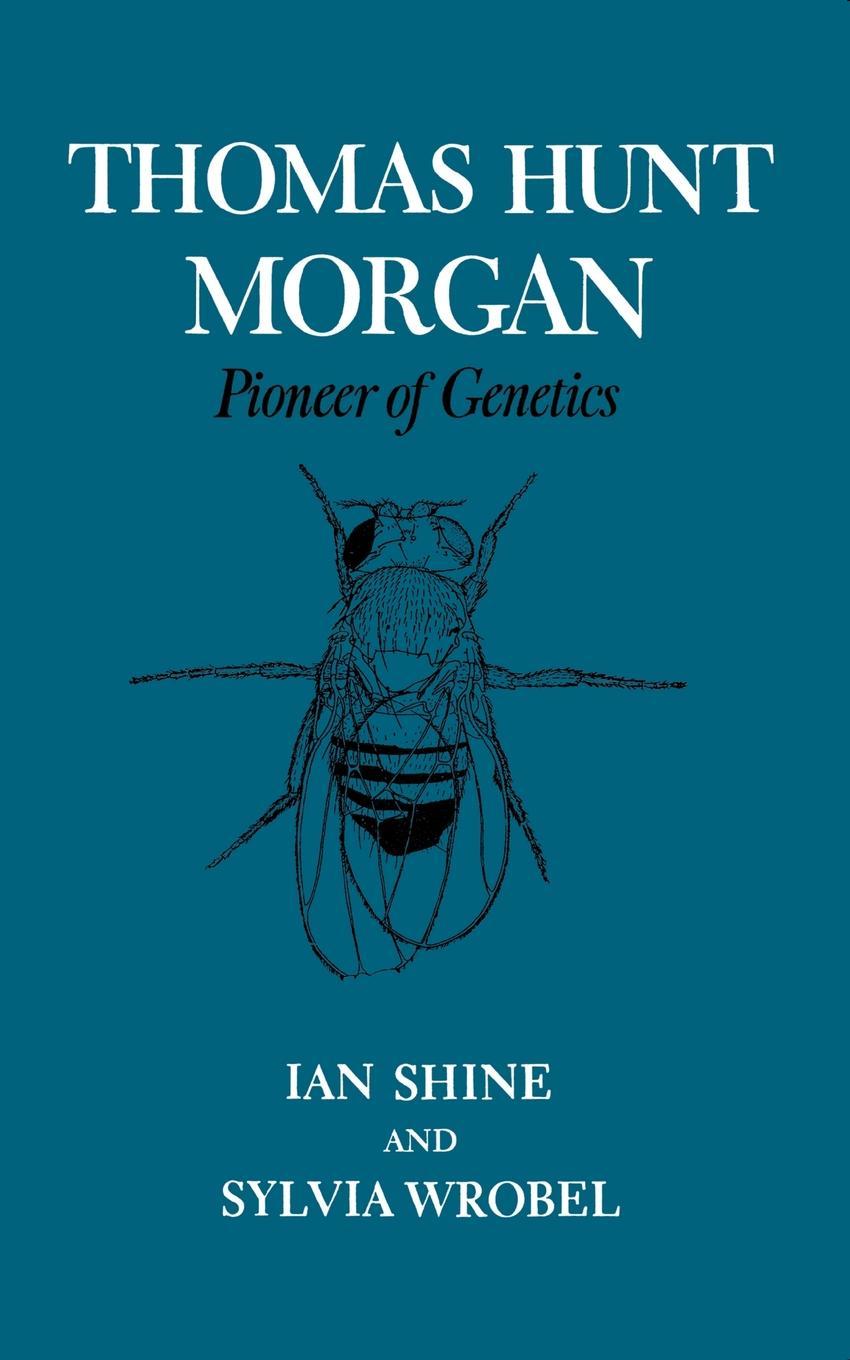
For most of his fellow Kentuckians, the accomplishments of Thomas Hunt Morgan have been overshadowed by the Civil War exploits of his uncle, the Confederate raider. Thomas Hunt Morgan: Pioneer of Genetics shows that feats performed on the frontiers of science can be as exciting as battlefield heroics, and that the "other Morgan" was as colorful a man as the general.
Thomas Hunt Morgan's most noted work, done between 1910 and 1920 at Columbia University, revealed many of the secrets if genetics. Studying hundreds of generations of the fruit fly Drosophilia melanogaster, he and the other scientists in the laboratory called the Fly Room made basic discoveries about chromosomes and the mechanism of inheritance. For these discoveries, which profoundly affected biological theory, Morgan was awarded a Nobel Prize—the first ever given for research in genetics.
Morgan was interested in many other problems in biology as well. His embryological and regeneration studies were of fundamental importance, and they too bear the mark of a scientist convinced that nature herself will provide answers to the fundamental questions of life, provided that a suitable experimental approach can be devised. Yet, despite his deep-rooted connections to Kentucky and his achievements as a Nobel prize-winning scientist, Thomas Hunt Morgan remains one of the least-known famous Kentucky sons.
Betala smidigt med kort, Klarna, Apple Pay eller Google Pay. Är du inte nöjd har du alltid 14 dagars ångerrätt. Läs mer i våra villkor. Har du några frågor, mejla oss på hello@memmo.org.
Memmo gör det enklare att plugga – var du än är i världen. Hos oss samlar du kursböcker och smarta studieverktyg på ett och samma ställe: sammanfattningar, quiz, poddar och flashcards. Och så Ted, din studiekompis som svarar på allt du undrar. Över 75 000 studenter pluggar redan här – byggt för att du ska lära dig snabbare och stressa mindre.