
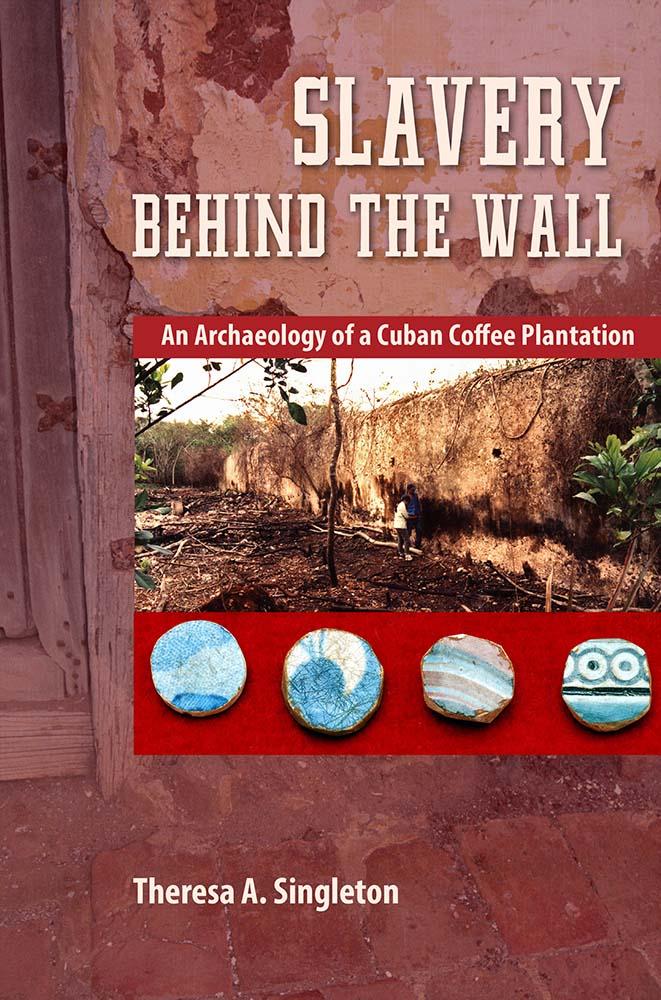
Cuba had the largest slave society of the Spanish colonial empire. At Santa Ana de Biajacas the plantation owner sequestered slaves behind a massive masonry wall. In the first archaeological investigation of a Cuban plantation by an English speaker, Theresa Singleton explores how elite Cuban planters used the built environment to impose a hierarchical social order upon slave laborers. Behind the wall, slaves reclaimed the space as their own, forming communities, building their own houses, celebrating, gambling, and even harboring slave runaways. What emerged there is not just an identity distinct from other North American and Caribbean plantations, but a unique slave culture that thrived despite a spartan lifestyle.
Singleton's study provides insight into the larger historical context of the African diaspora, global patterns of enslavement, and the development of Cuba as an integral member of the larger Atlantic World.
Betala smidigt med kort, Klarna, Apple Pay eller Google Pay. Är du inte nöjd har du alltid 14 dagars ångerrätt. Läs mer i våra villkor. Har du några frågor, mejla oss på hello@memmo.org.
Memmo gör det enklare att plugga – var du än är i världen. Hos oss samlar du kursböcker och smarta studieverktyg på ett och samma ställe: sammanfattningar, quiz, poddar och flashcards. Och så Ted, din studiekompis som svarar på allt du undrar. Över 50 000 studenter pluggar redan här – byggt för att du ska lära dig snabbare och stressa mindre.