
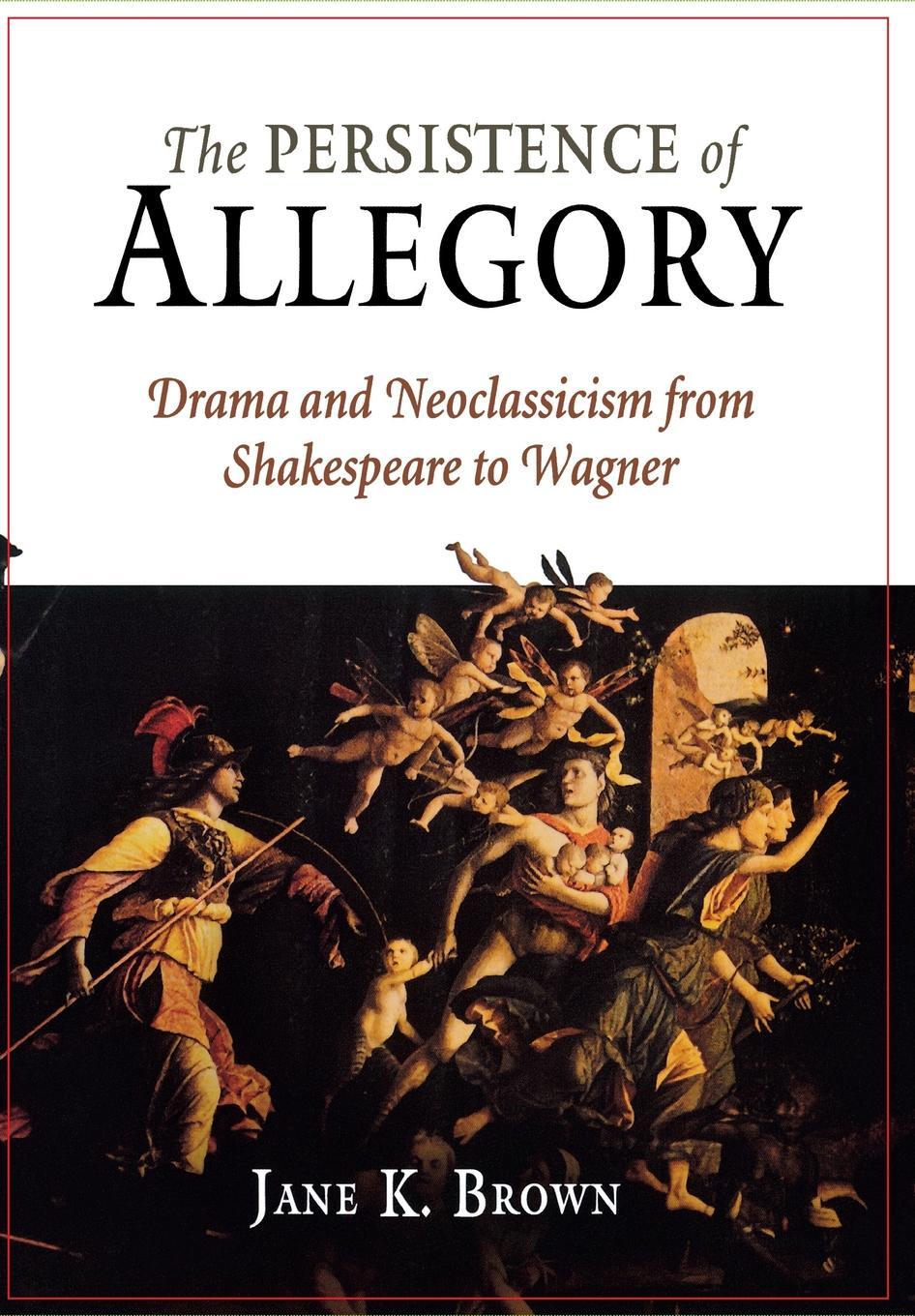
In an impressively comparative work, Jane K. Brown explores the tension in European drama between allegory and neoclassicism from the sixteenth through the nineteenth century. Imitation of nature is generally thought to triumph over religious allegory in the Elizabethan and French classical theater, a shift attributable to the recovery of Aristotle's Poetics in the Renaissance. But if Aristotle's terminology was rapidly assimilated, Brown demonstrates that change in dramatic practice took place only gradually and partially and that allegory was never fully cast off the stage.
The book traces a complex history of neoclassicism in which new allegorical forms flourish and older ones are constantly revitalized. Brown reveals the allegorical survivals in the works of such major figures as Shakespeare, Calderón, Racine, Vondel, Metastasio, Goethe, and Wagner and reads tragedy, comedy, masque, opera, and school drama together rather than as separate developments. Throughout, she draws illuminating parallels to modes of representation in the visual arts.
A work of broad interest to scholars, teachers, and students of theatrical form, The Persistence of Allegory presents a fundamental rethinking of the history of European drama.
Betala smidigt med kort, Klarna, Apple Pay eller Google Pay. Är du inte nöjd har du alltid 14 dagars ångerrätt. Läs mer i våra villkor. Har du några frågor, mejla oss på hello@memmo.org.
Memmo gör det enklare att plugga – var du än är i världen. Hos oss samlar du kursböcker och smarta studieverktyg på ett och samma ställe: sammanfattningar, quiz, poddar och flashcards. Och så Ted, din studiekompis som svarar på allt du undrar. Över 50 000 studenter pluggar redan här – byggt för att du ska lära dig snabbare och stressa mindre.