
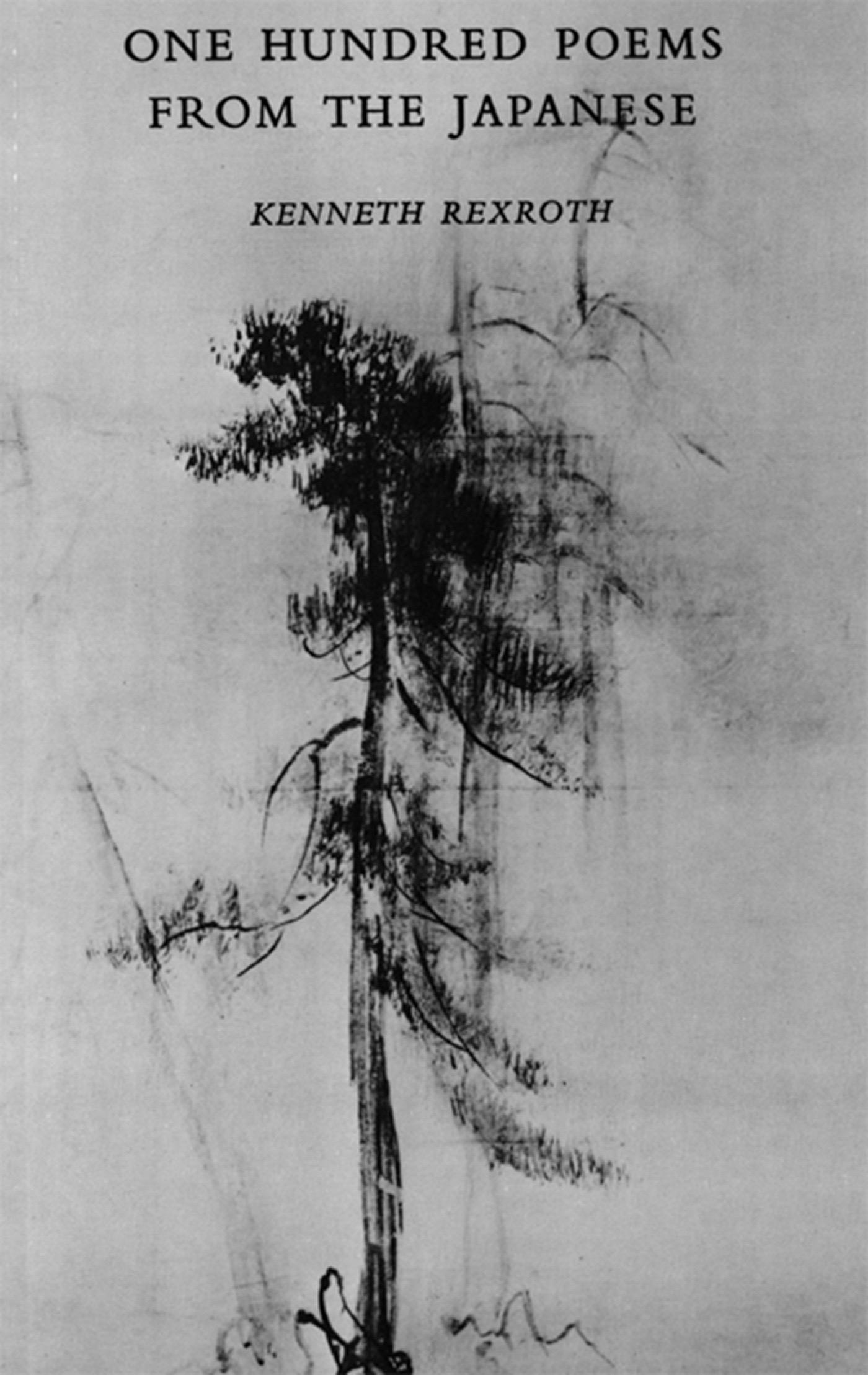
It is remarkable that any Westerner—even so fine a poet as Kenneth Rexroth—could have captured in translation so much of the subtle essence of classic Japanese poetry: the depth of controlled passion, the austere elegance of style, the compressed richness of imagery.
The poems are drawn chiefly from the traditional Manyoshu, Kokinshu and Hyakunin Isshu collections, but there are also examplaes of haiku and other later forms. The sound of the Japanese texts i reproduced in Romaji script and the names of the poets in the calligraphy of Ukai Uchiyama. The translator's introduction gives us basic background on the history and nature of Japanese poetry, which is supplemented by notes on the individual poets and an extensive bibliography.Betala smidigt med kort, Klarna, Apple Pay eller Google Pay. Är du inte nöjd har du alltid 14 dagars ångerrätt. Läs mer i våra villkor. Har du några frågor, mejla oss på hello@memmo.org.
Memmo gör det enklare att plugga – var du än är i världen. Hos oss samlar du kursböcker och smarta studieverktyg på ett och samma ställe: sammanfattningar, quiz, poddar och flashcards. Och så Ted, din studiekompis som svarar på allt du undrar. Över 50 000 studenter pluggar redan här – byggt för att du ska lära dig snabbare och stressa mindre.