
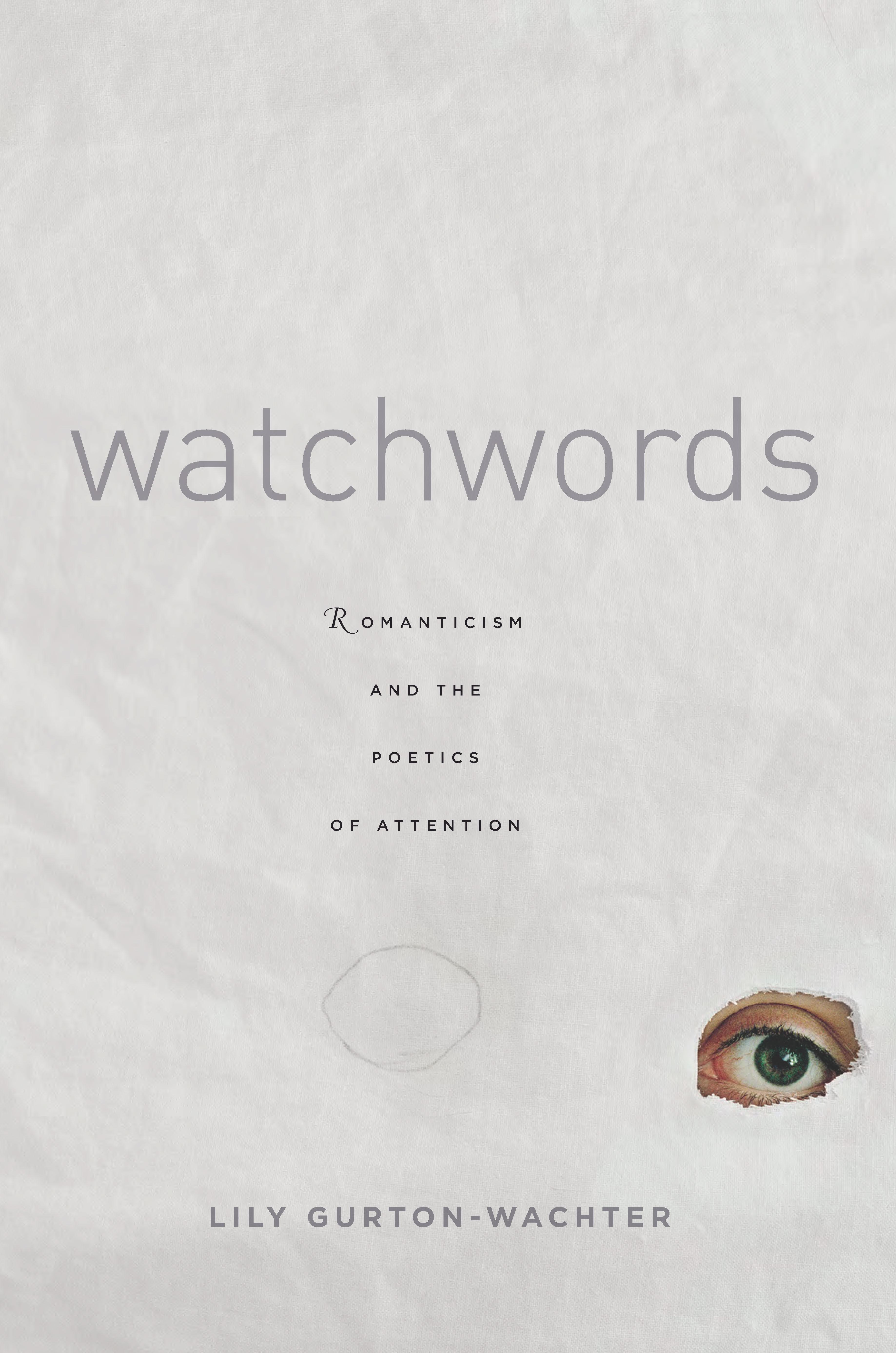
This book revisits British Romanticism as a poetics of heightened attention. At the turn of the nineteenth century, as Britain was on the alert for a possible French invasion, attention became a phenomenon of widespread interest, one that aligned and distinguished an unusual range of fields (including medicine, aesthetics, theology, ethics, pedagogy, and politics). Within this wartime context, the Romantic aesthetic tradition appears as a response to a crisis in attention caused by demands on both soldiers and civilians to keep watch. Close formal readings of the poetry of Blake, Coleridge, Cowper, Keats, (Charlotte) Smith, and Wordsworth, in conversation with research into Enlightenment philosophy and political and military discourses, suggest the variety of forces competing for—or commanding—attention in the period. This new framework for interpreting Romanticism and its legacy illuminates what turns out to be an ongoing tradition of war literature that, rather than give testimony to or represent warfare, uses rhythm and verse to experiment with how and what we attend to during times of war.
Betala smidigt med kort, Klarna, Apple Pay eller Google Pay. Är du inte nöjd har du alltid 14 dagars ångerrätt. Läs mer i våra villkor. Har du några frågor, mejla oss på hello@memmo.org.
Memmo gör det enklare att plugga – var du än är i världen. Hos oss samlar du kursböcker och smarta studieverktyg på ett och samma ställe: sammanfattningar, quiz, poddar och flashcards. Och så Ted, din studiekompis som svarar på allt du undrar. Över 50 000 studenter pluggar redan här – byggt för att du ska lära dig snabbare och stressa mindre.