
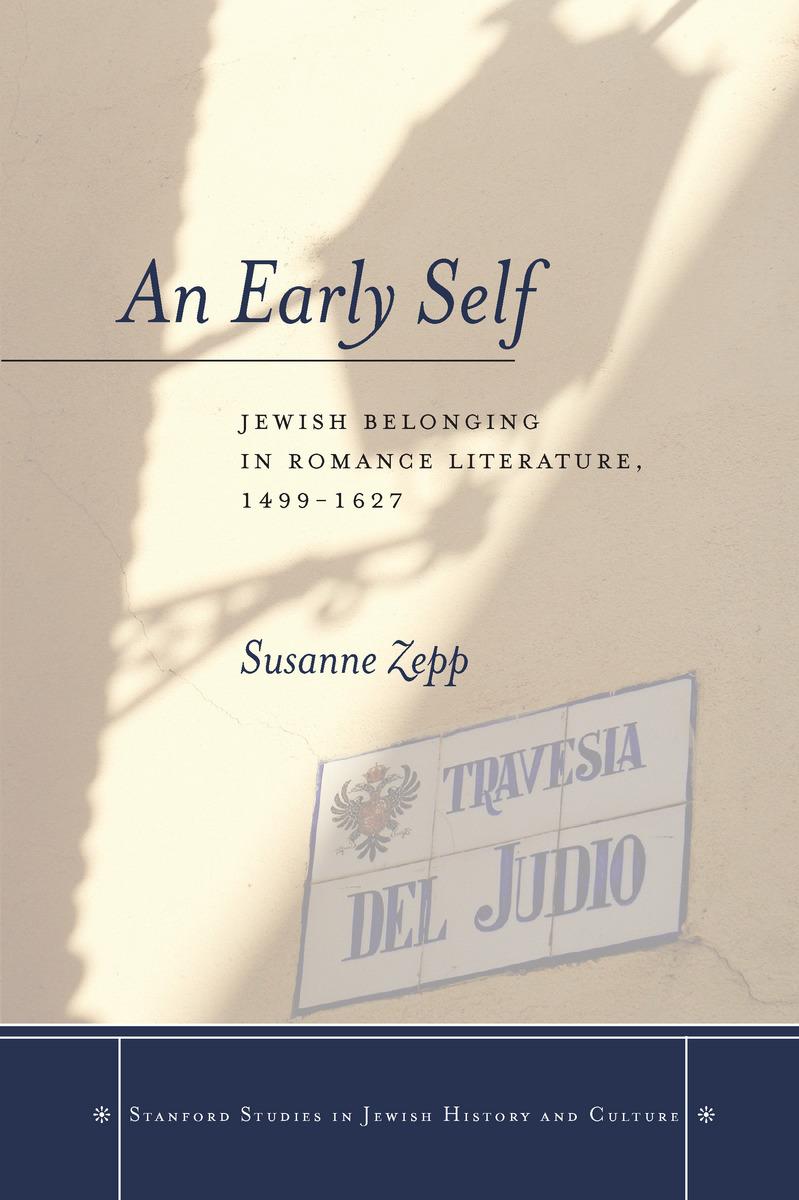
What role has Jewish intellectual culture played in the development of modern Romance literature? Susanne Zepp seeks to answer this question through an examination of five influential early modern texts written between 1499 and 1627: Fernando de Rojas's La Celestina, Leone Ebreo's Dialoghi d'amore, the anonymous tale Lazarillo de Tormes (the first picaresque novel), Montaigne's Essais, and the poetical renditions of the Bible by João Pinto Delgado. Forced to straddle two cultures and religions, these Iberian conversos (Jews who converted to Catholicism) prefigured the subjectivity which would come to characterize modernity.
As "New Christians" in an intolerant world, these thinkers worked within the tensions of their historical context to question norms and dogmas. In the past, scholars have focused on the Jewish origins of such major figures in literature and philosophy. Through close readings of these texts, Zepp moves the debate away from the narrow question of the authors' origins to focus on the innovative ways these authors subverted and transcended traditional genres. She interprets the changes that took place in various literary genres and works of the period within the broader historical context of the sixteenth and seventeenth centuries, demonstrating the extent to which the development of early modern subjective consciousness and its expression in literary works can be explained in part as a universalization of originally Jewish experiences.
Betala smidigt med kort, Klarna, Apple Pay eller Google Pay. Är du inte nöjd har du alltid 14 dagars ångerrätt. Läs mer i våra villkor. Har du några frågor, mejla oss på hello@memmo.org.
Memmo gör det enklare att plugga – var du än är i världen. Hos oss samlar du kursböcker och smarta studieverktyg på ett och samma ställe: sammanfattningar, quiz, poddar och flashcards. Och så Ted, din studiekompis som svarar på allt du undrar. Över 50 000 studenter pluggar redan här – byggt för att du ska lära dig snabbare och stressa mindre.