
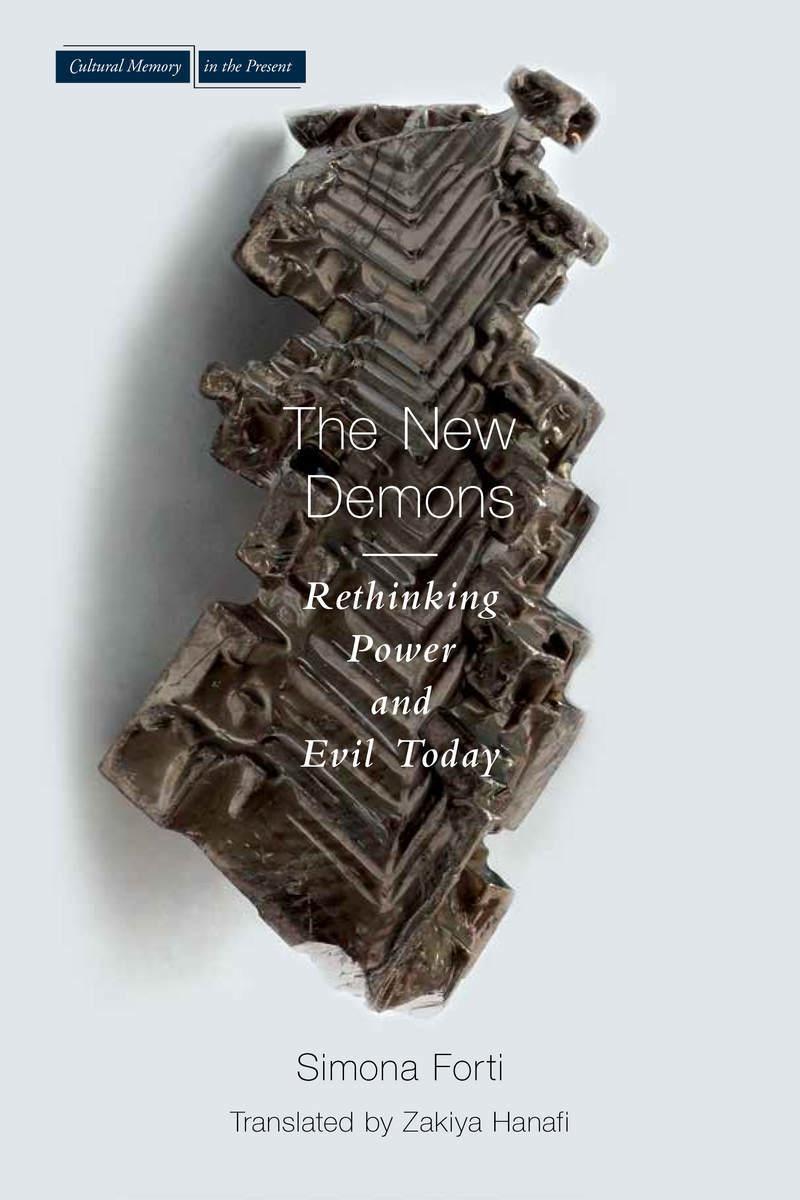
As long as we care about suffering in the world, says political philosopher Simona Forti, we are compelled to inquire into the question of evil. But is the concept of evil still useful in a postmodern landscape where absolute values have been leveled and relativized by a historicist perspective? Given our current unwillingness to judge others, what signposts remain to guide our ethical behavior?
Surveying the nineteenth- and twentieth-century Western philosophical debates on evil, Forti concludes that it is time to leave behind what she calls "the Dostoevsky paradigm": the dualistic vision of an omnipotent monster pitted against absolute, helpless victims. No longer capable of grasping the normalization of evil in today's world—whose structures of power have been transformed—this paradigm has exhausted its explanatory force.
In its place, Forti offers a different genealogy of the relationship between evil and power, one that finally calls into question power's recurrent link to transgression. At the center of contemporary evil she posits the passive attitude towards rule-following, the need for normalcy, and the desire for obedience nurtured by our contemporary mass democracies. In our times, she contends, evil must be explored in tandem with our stubborn desire to stay alive at all costs as much as with our deep need for recognition: the new modern absolutes. A courageous book, New Demons extends an original, inspiring call to ethical living in a biopolitical age.
Betala smidigt med kort, Klarna, Apple Pay eller Google Pay. Är du inte nöjd har du alltid 14 dagars ångerrätt. Läs mer i våra villkor. Har du några frågor, mejla oss på hello@memmo.org.
Memmo gör det enklare att plugga – var du än är i världen. Hos oss samlar du kursböcker och smarta studieverktyg på ett och samma ställe: sammanfattningar, quiz, poddar och flashcards. Och så Ted, din studiekompis som svarar på allt du undrar. Över 50 000 studenter pluggar redan här – byggt för att du ska lära dig snabbare och stressa mindre.