
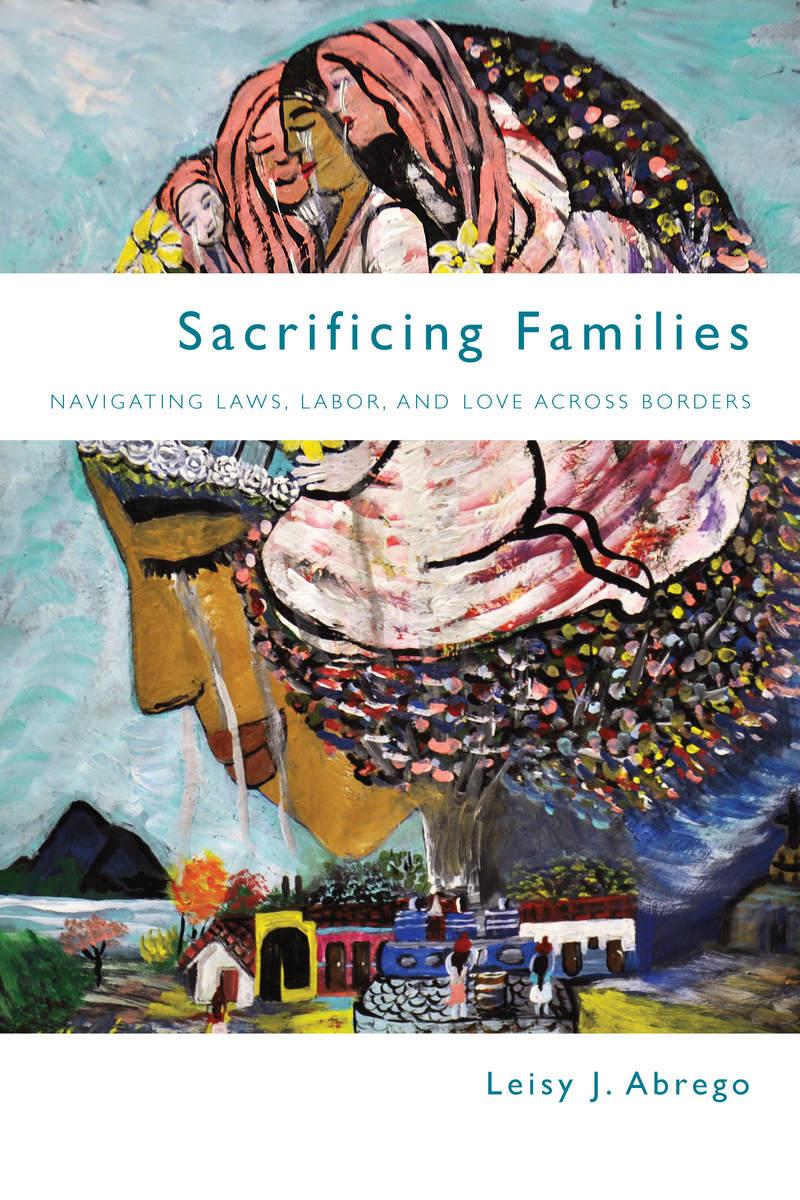
Widening global inequalities make it difficult for parents in developing nations to provide for their children, and both mothers and fathers often find that migration in search of higher wages is their only hope. Their dreams are straightforward: with more money, they can improve their children's lives. But the reality of their experiences is often harsh, and structural barriers—particularly those rooted in immigration policies and gender inequities—prevent many from reaching their economic goals.
Sacrificing Families offers a first-hand look at Salvadoran transnational families, how the parents fare in the United States, and the experiences of the children back home. It captures the tragedy of these families' daily living arrangements, but also delves deeper to expose the structural context that creates and sustains patterns of inequality in their well-being. What prevents these parents from migrating with their children? What are these families' experiences with long-term separation? And why do some ultimately fare better than others?
As free trade agreements expand and nation-states open doors widely for products and profits while closing them tightly for refugees and migrants, these transnational families are not only becoming more common, but they are living through lengthier separations. Leisy Abrego gives voice to these immigrants and their families and documents the inequalities across their experiences.
Betala smidigt med kort, Klarna, Apple Pay eller Google Pay. Är du inte nöjd har du alltid 14 dagars ångerrätt. Läs mer i våra villkor. Har du några frågor, mejla oss på hello@memmo.org.
Memmo gör det enklare att plugga – var du än är i världen. Hos oss samlar du kursböcker och smarta studieverktyg på ett och samma ställe: sammanfattningar, quiz, poddar och flashcards. Och så Ted, din studiekompis som svarar på allt du undrar. Över 50 000 studenter pluggar redan här – byggt för att du ska lära dig snabbare och stressa mindre.