
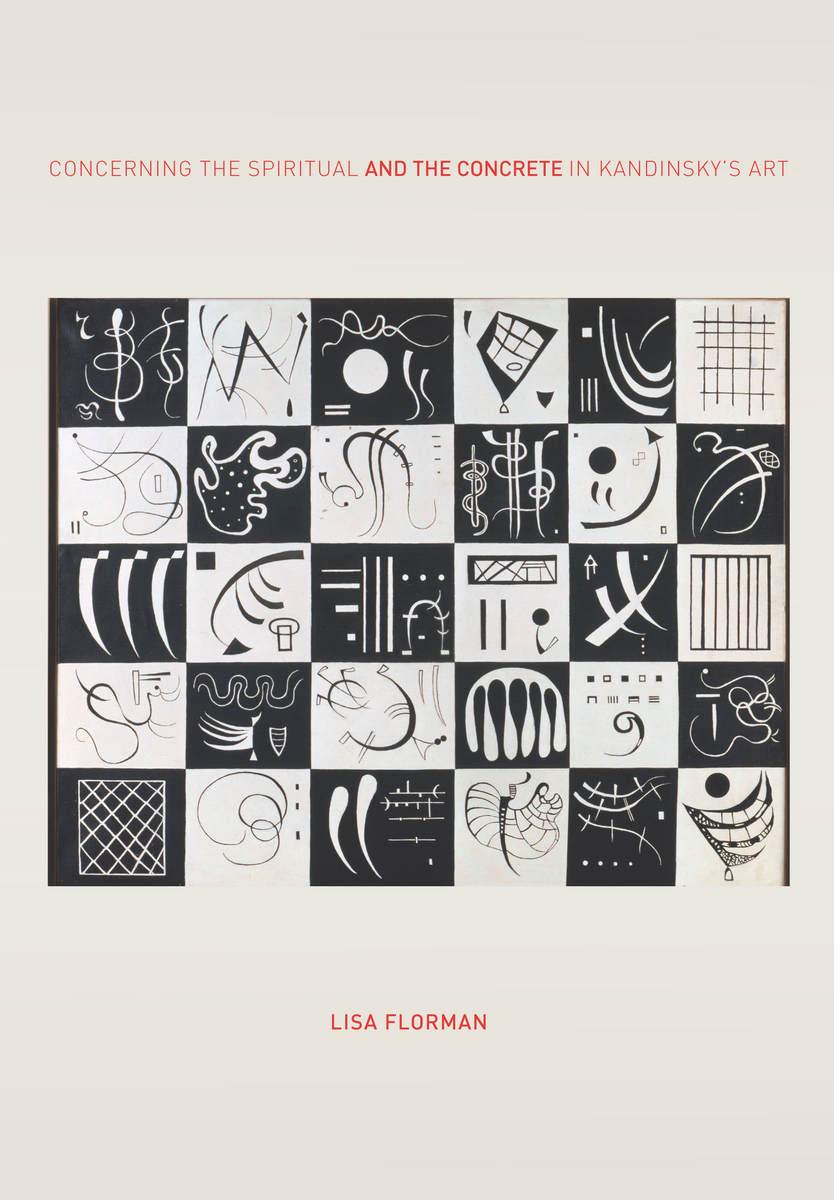
This book examines the art and writings of Wassily Kandinsky, who is widely regarded as one of the first artists to produce non-representational paintings. Crucial to an understanding of Kandinsky's intentions is On the Spiritual in Art, the celebrated essay he published in 1911. Where most scholars have taken its repeated references to "spirit" as signaling quasi-religious or mystical concerns, Florman argues instead that Kandinsky's primary frame of reference was G.W.F. Hegel's Aesthetics, in which art had similarly been presented as a vehicle for the developing self-consciousness of spirit (or Geist, in German). In addition to close readings of Kandinsky's writings, the book also includes a discussion of a 1936 essay on the artist's paintings written by his own nephew, philosopher Alexandre Kojève, the foremost Hegel scholar in France at that time. It also provides detailed analyses of individual paintings by Kandinsky, demonstrating how the development of his oeuvre challenges Hegel's views on modern art, yet operates in much the same manner as does Hegel's philosophical system. Through the work of a single, crucial artist, Florman presents a radical new account of why painting turned to abstraction in the early years of the twentieth century.
Betala smidigt med kort, Klarna, Apple Pay eller Google Pay. Är du inte nöjd har du alltid 14 dagars ångerrätt. Läs mer i våra villkor. Har du några frågor, mejla oss på hello@memmo.org.
Memmo gör det enklare att plugga – var du än är i världen. Hos oss samlar du kursböcker och smarta studieverktyg på ett och samma ställe: sammanfattningar, quiz, poddar och flashcards. Och så Ted, din studiekompis som svarar på allt du undrar. Över 50 000 studenter pluggar redan här – byggt för att du ska lära dig snabbare och stressa mindre.