
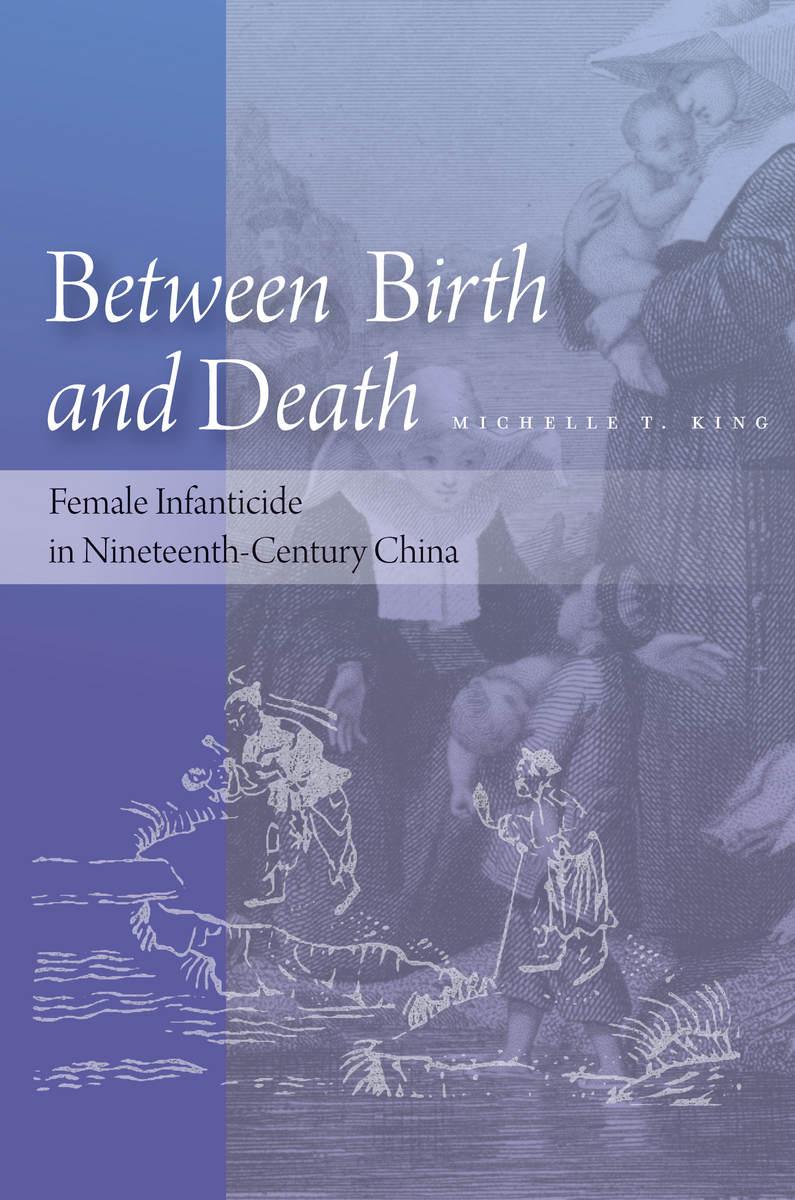
Female infanticide is a social practice often closely associated with Chinese culture. Journalists, social scientists, and historians alike emphasize that it is a result of the persistence of son preference, from China's ancient past to its modern present. Yet how is it that the killing of newborn daughters has come to be so intimately associated with Chinese culture?
Between Birth and Death locates a significant historical shift in the representation of female infanticide during the nineteenth century. It was during these years that the practice transformed from a moral and deeply local issue affecting communities into an emblematic cultural marker of a backwards Chinese civilization, requiring the scientific, religious, and political attention of the West. Using a wide array of Chinese, French and English primary sources, the book takes readers on an unusual historical journey, presenting the varied perspectives of those concerned with the fate of an unwanted Chinese daughter: a late imperial Chinese mother in the immediate moments following birth, a male Chinese philanthropist dedicated to rectifying moral behavior in his community, Western Sinological experts preoccupied with determining the comparative prevalence of the practice, Catholic missionaries and schoolchildren intent on saving the souls of heathen Chinese children, and turn-of-the-century reformers grappling with the problem as a challenge for an emerging nation.
Betala smidigt med kort, Klarna, Apple Pay eller Google Pay. Är du inte nöjd har du alltid 14 dagars ångerrätt. Läs mer i våra villkor. Har du några frågor, mejla oss på hello@memmo.org.
Memmo gör det enklare att plugga – var du än är i världen. Hos oss samlar du kursböcker och smarta studieverktyg på ett och samma ställe: sammanfattningar, quiz, poddar och flashcards. Och så Ted, din studiekompis som svarar på allt du undrar. Över 50 000 studenter pluggar redan här – byggt för att du ska lära dig snabbare och stressa mindre.