
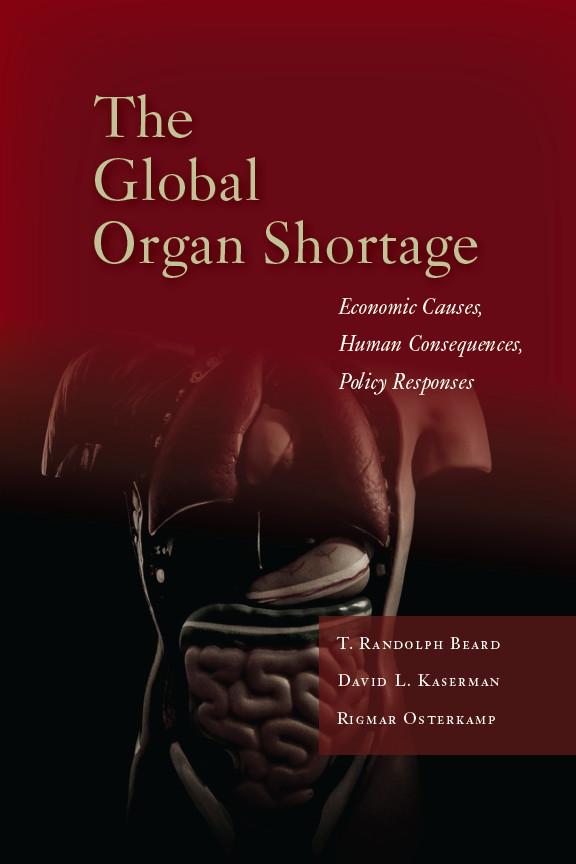
Although organ transplants provide the best, and often the only, effective therapy for many otherwise fatal conditions, the great benefits of transplantation go largely unrealized because of failures in the organ acquisition process. In the United States, for instance, more than 10,000 people die every year either awaiting transplantation, or as a result of deteriorating health exacerbated by the shortage of organs.
Issues pertaining to organ donation and transplantation represent, perhaps, the most complex and morally controversial medical dilemmas aside from abortion and euthanasia. However, these quandaries are not unsolvable. This book proposes compensating organ donors within a publicly controlled monopsony. This proposal is quite similar to current practice in Spain, where compensation for cadaveric donation now occurs "in secret," as this text reveals.
To build their recommendations, the authors provide a medical history of transplantation, a history of the development of national laws and waiting lists, a careful examination of the social costs and benefits of transplantation, a discussion of the causes of organ shortages, an evaluation of "partial" reforms tried or proposed, an extensive ethical evaluation of the current system and its competitors.
Betala smidigt med kort, Klarna, Apple Pay eller Google Pay. Är du inte nöjd har du alltid 14 dagars ångerrätt. Läs mer i våra villkor. Har du några frågor, mejla oss på hello@memmo.org.
Memmo gör det enklare att plugga – var du än är i världen. Hos oss samlar du kursböcker och smarta studieverktyg på ett och samma ställe: sammanfattningar, quiz, poddar och flashcards. Och så Ted, din studiekompis som svarar på allt du undrar. Över 50 000 studenter pluggar redan här – byggt för att du ska lära dig snabbare och stressa mindre.