
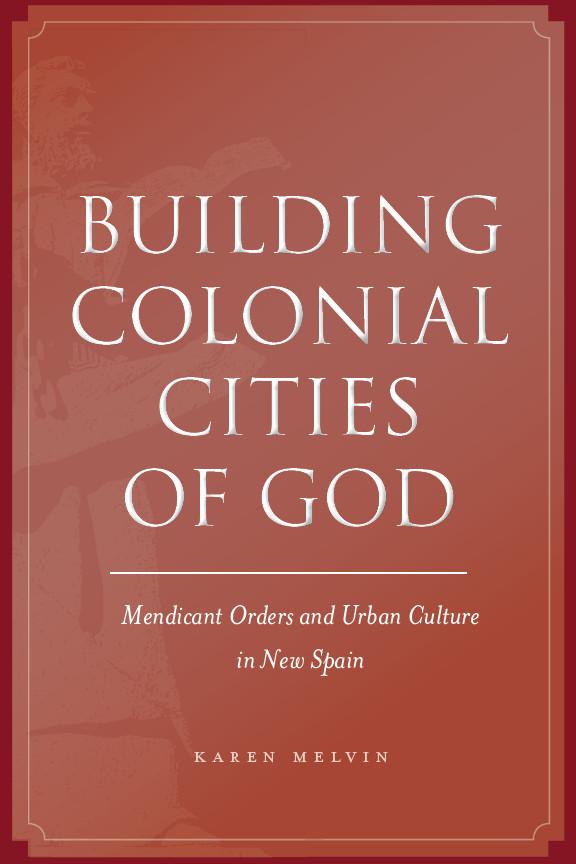
This book tracks New Spain's mendicant orders past their so-called golden age of missions into the ensuing centuries and demonstrates that they had equally crucial roles in what Melvin terms the "spiritual consolidation" of cities. Beginning in the late sixteenth century, cities became home to the majority of friars and to the orders' wealthiest houses, and mendicants became deeply embedded in urban social and cultural life. Friars ministered to urban residents of all races and social standings and engaged in traditional mendicant activities, serving as preachers, confessors, spiritual directors, alms collectors, educators, scholars, and sponsors of charitable works. Each order brought to this work a distinct identity that informed people's beliefs and shaped variations in the practice of Catholicism. Contrary to prevailing views, mendicant orders flourished during the seventeenth and early eighteenth centuries, and even the eighteenth-century reforms that ended this era were not as devastating as has been assumed.Even in the face of new institutional challenges, the demand for their services continued through the end of the colonial period, demonstrating the continued vitality of baroque piety.
Betala smidigt med kort, Klarna, Apple Pay eller Google Pay. Är du inte nöjd har du alltid 14 dagars ångerrätt. Läs mer i våra villkor. Har du några frågor, mejla oss på hello@memmo.org.
Memmo gör det enklare att plugga – var du än är i världen. Hos oss samlar du kursböcker och smarta studieverktyg på ett och samma ställe: sammanfattningar, quiz, poddar och flashcards. Och så Ted, din studiekompis som svarar på allt du undrar. Över 50 000 studenter pluggar redan här – byggt för att du ska lära dig snabbare och stressa mindre.