
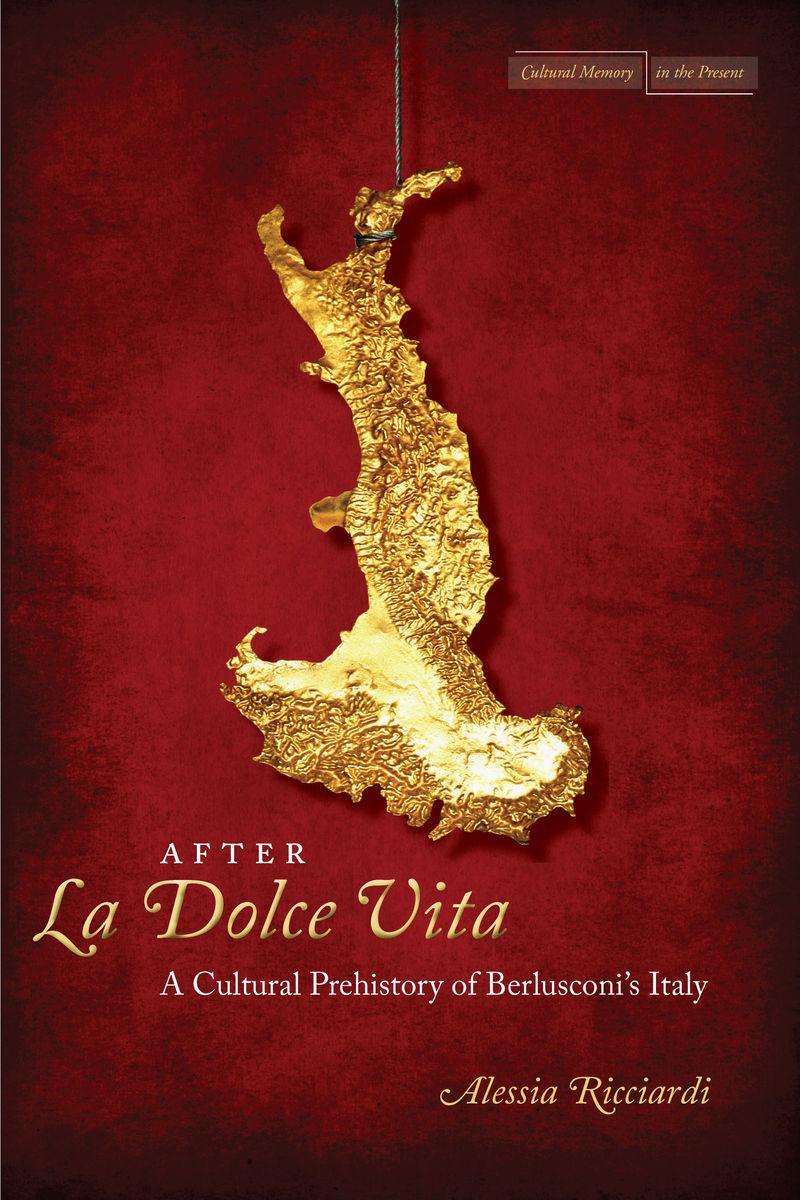
This book chronicles the demise of the supposedly leftist Italian cultural establishment during the long 1980s. During that time, the nation's literary and intellectual vanguard managed to lose the prominence handed it after the end of World War II and the defeat of Fascism. What emerged instead was a uniquely Italian brand of cultural capital that deliberately avoided any critical questioning of the prevailing order. Ricciardi criticizes the development of this new hegemonic arrangement in film, literature, philosophy, and art criticism. She focuses on several turning points: Fellini's futile, late-career critique of Berlusconi-style commercial television, Calvino's late turn to reactionary belletrism, Vattimo's nihilist and conservative responses to French poststructuralism, and Bonito Oliva's movement of art commodification, Transavanguardia.
Betala smidigt med kort, Klarna, Apple Pay eller Google Pay. Är du inte nöjd har du alltid 14 dagars ångerrätt. Läs mer i våra villkor. Har du några frågor, mejla oss på hello@memmo.org.
Memmo gör det enklare att plugga – var du än är i världen. Hos oss samlar du kursböcker och smarta studieverktyg på ett och samma ställe: sammanfattningar, quiz, poddar och flashcards. Och så Ted, din studiekompis som svarar på allt du undrar. Över 50 000 studenter pluggar redan här – byggt för att du ska lära dig snabbare och stressa mindre.