
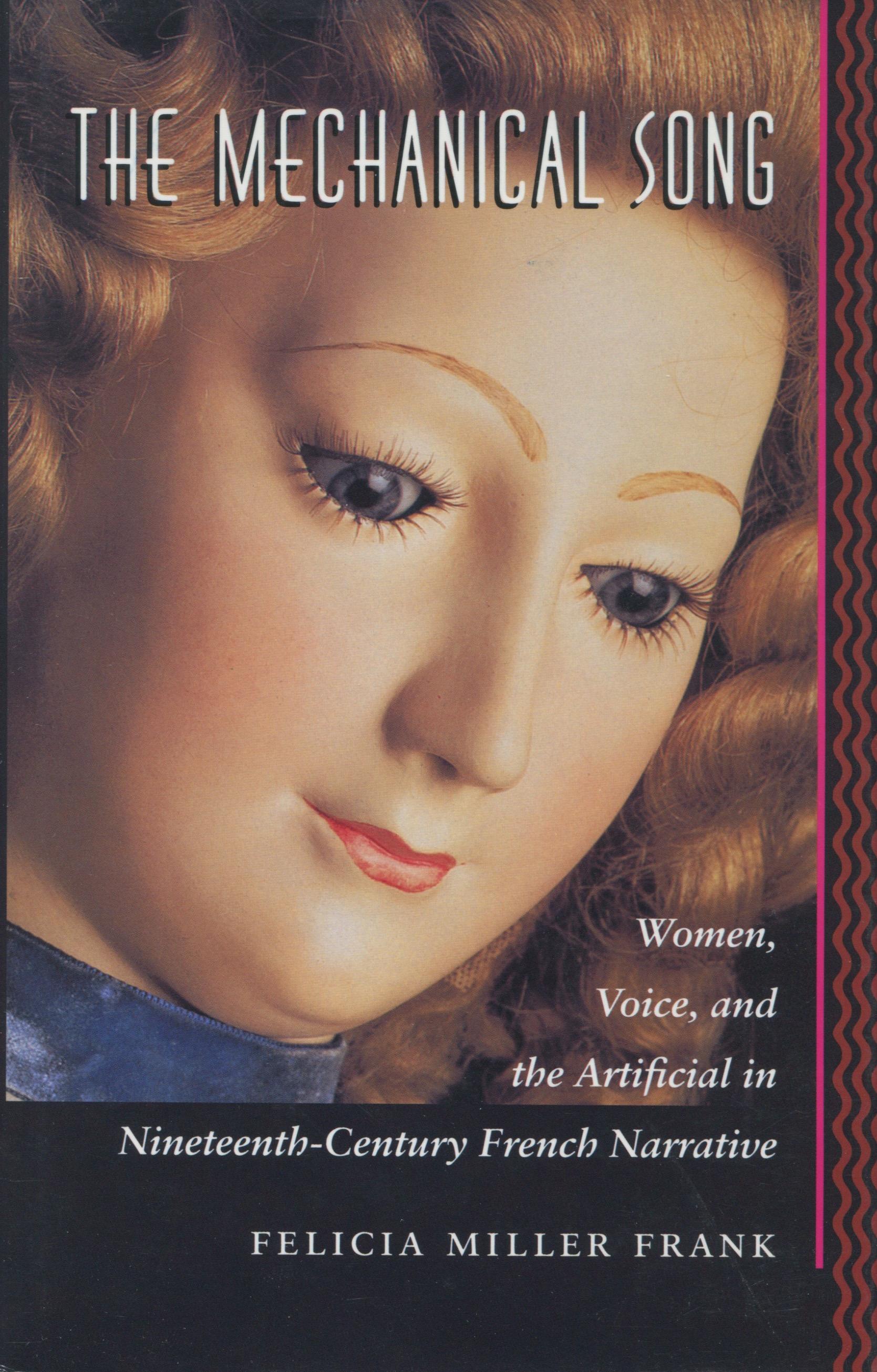
Examining the privileged relation of women to the singing voice in nineteenth-century literary works, the author argues for an emerging identification between women and artifice in the period. Beginning with texts by Rousseau and Proust that show a link between nostalgia for the maternal voice and the writer's self, the book then turns to the psychoanalytic literature on the role of the voice in the formation of the psyche. In the process, it analyses feminist polemics on the maternal voice to show how voice and rhythm together form the matrices of the subject. The voice of the soprano occupied a special place in nineteenth-century operatic history, replacing the castrato voice as a sexless, angelic, ethereal source of pleasure for the opera-goer. The author shows how these qualities are identified with women's voices in literary texts by Sand, Balzac, du Maurier and Nerval.
Betala smidigt med kort, Klarna, Apple Pay eller Google Pay. Är du inte nöjd har du alltid 14 dagars ångerrätt. Läs mer i våra villkor. Har du några frågor, mejla oss på hello@memmo.org.
Memmo gör det enklare att plugga – var du än är i världen. Hos oss samlar du kursböcker och smarta studieverktyg på ett och samma ställe: sammanfattningar, quiz, poddar och flashcards. Och så Ted, din studiekompis som svarar på allt du undrar. Över 50 000 studenter pluggar redan här – byggt för att du ska lära dig snabbare och stressa mindre.