
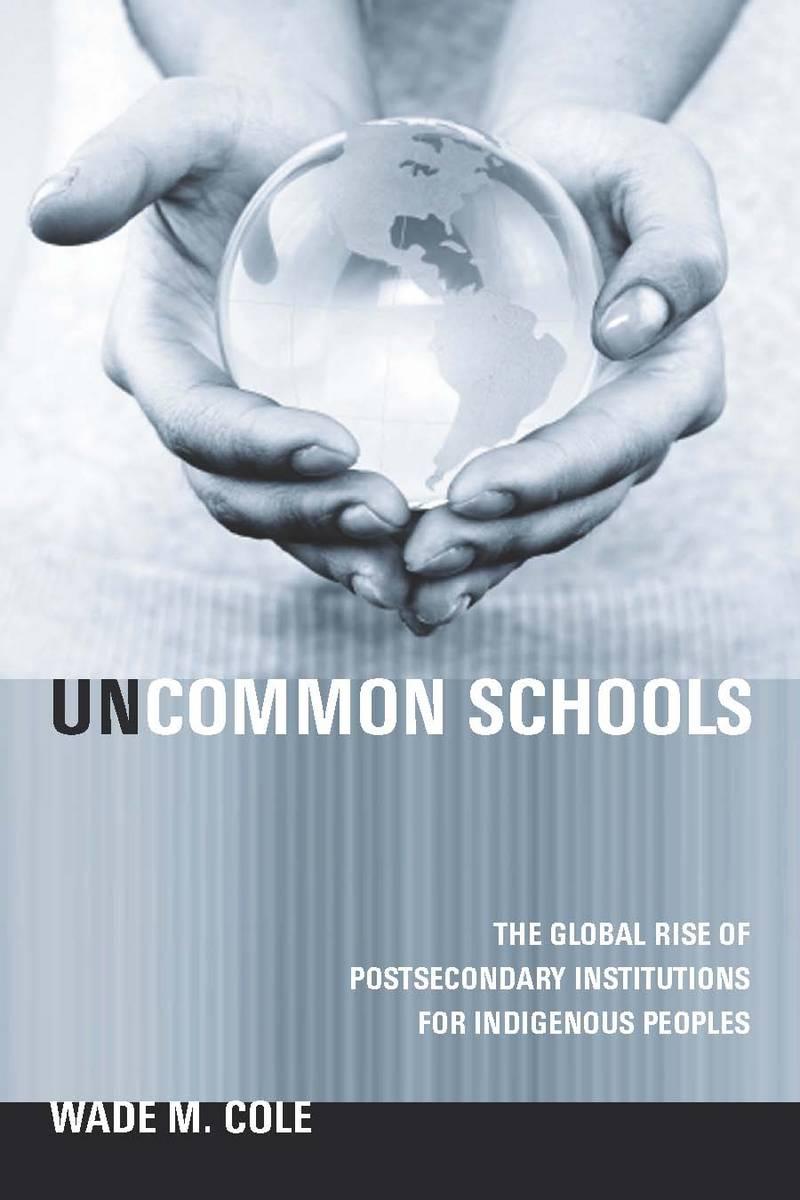
Postsecondary institutions for indigenous peoples emerged in the late 1960s, just as other special purpose colleges based on gender or race began to close. What accounts for the emergence of these distinctive institutions? Though indigenous students are among the least populous, the poorest, and the most educationally disadvantaged in the world, they differ from most other racial, ethnic, cultural, and linguistic minorities by virtue of their exceptional claims to sovereignty under international and domestic law.
Uncommon Schools explores the emergence of postsecondary institutions for indigenous peoples worldwide, with a focus on developments in the United States, Canada, Australia, and New Zealand. Providing the opportunity to examine larger social, political, and legal processes, it traces the incorporation of indigenous peoples into nation-states, the rise of a global indigenous rights movement, and the "massification" of postsecondary education while investigating the variety of ways these culturally relevant colleges differ from each other and from other postsecondary institutions.
Betala smidigt med kort, Klarna, Apple Pay eller Google Pay. Är du inte nöjd har du alltid 14 dagars ångerrätt. Läs mer i våra villkor. Har du några frågor, mejla oss på hello@memmo.org.
Memmo gör det enklare att plugga – var du än är i världen. Hos oss samlar du kursböcker och smarta studieverktyg på ett och samma ställe: sammanfattningar, quiz, poddar och flashcards. Och så Ted, din studiekompis som svarar på allt du undrar. Över 50 000 studenter pluggar redan här – byggt för att du ska lära dig snabbare och stressa mindre.