
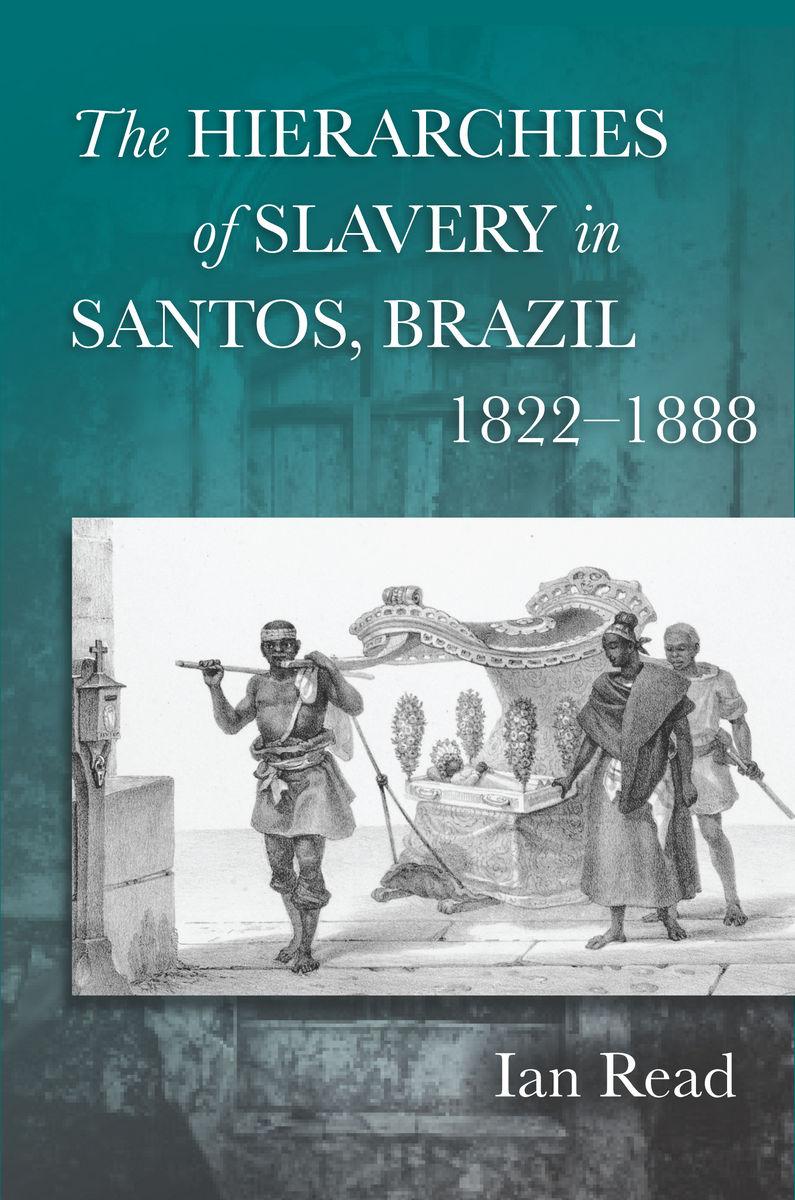
Despite the inherent brutality of slavery, some slaves could find small but important opportunities to act decisively. The Hierarchies of Slavery in Santos, Brazil, 1822–1888 explores such moments of opportunity and resistance in Santos, a Southeastern township in Imperial Brazil. It argues that slavery in Brazil was hierarchical: slaves' fleeting chances to form families, work jobs that would not kill or maim, avoid debilitating diseases, or find a (legal or illegal) pathway out of slavery were highly influenced by their demographic background and their owners' social position. By tracing the lives of slaves and owners through multiple records, the author is able to show that the cruelties that slaves faced were not equally shared. One important implication is that internal stratification likely helped perpetuate slavery because there was the belief, however illusionary, that escaping captivity was not necessary for social mobility.
Betala smidigt med kort, Klarna, Apple Pay eller Google Pay. Är du inte nöjd har du alltid 14 dagars ångerrätt. Läs mer i våra villkor. Har du några frågor, mejla oss på hello@memmo.org.
Memmo gör det enklare att plugga – var du än är i världen. Hos oss samlar du kursböcker och smarta studieverktyg på ett och samma ställe: sammanfattningar, quiz, poddar och flashcards. Och så Ted, din studiekompis som svarar på allt du undrar. Över 50 000 studenter pluggar redan här – byggt för att du ska lära dig snabbare och stressa mindre.