
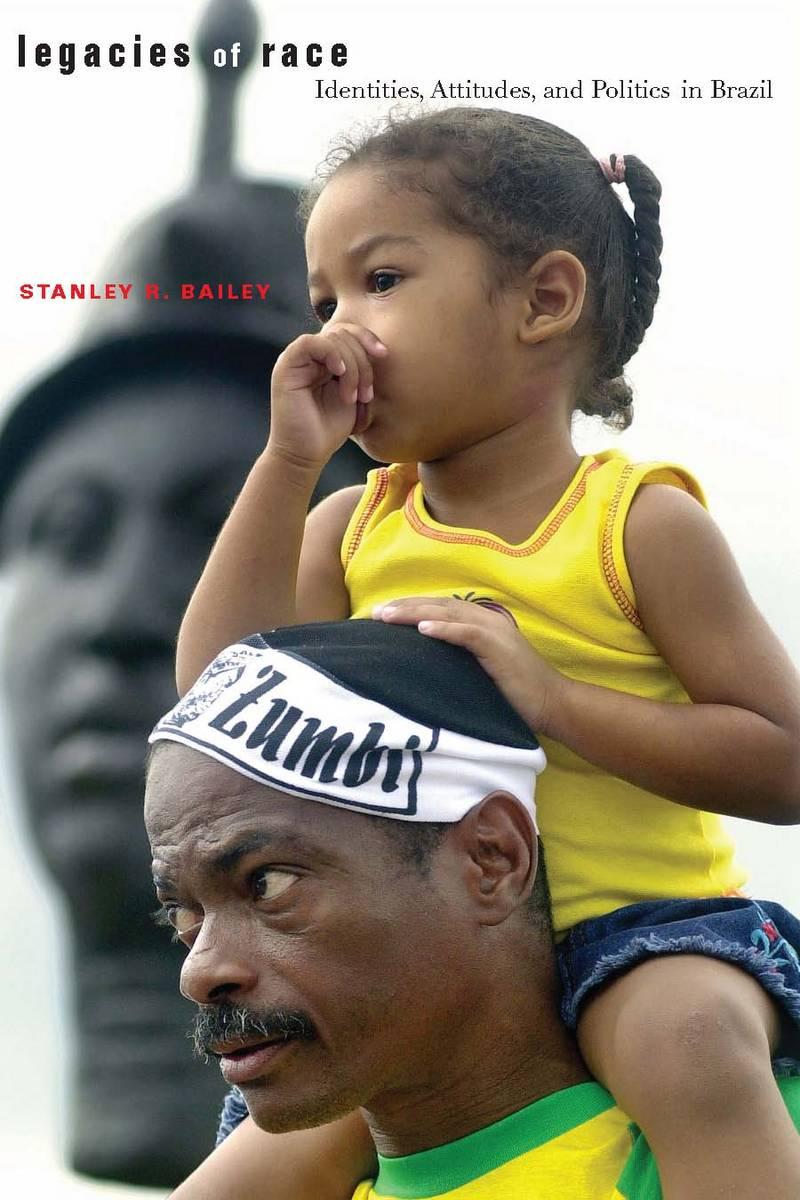
The United States and Brazil were the largest slave-trading societies of the New World. The demographics of both countries reflect this shared past, but this is where comparisons end. The vast majority of the "Afro-Brazilian" population, unlike their U.S. counterparts, view themselves as neither black nor white but as mixed-race. Legacies of Race offers the first examination of Brazilian public opinion to understand racial identities, attitudes, and politics in this racially ambiguous context.
Brazilians avoid rigid notions of racial group membership, and, in stark contrast to U.S. experience, attitudes about racial inequality, African-derived culture, and antiracism strategies are not deeply divided along racial lines. Bailey argues that only through dispensing with many U.S.-inspired racial assumptions can a general theory of racial attitudes become possible. Most importantly, he shows that a strict notion of racial identification in black and white cannot be assumed universal.
Betala smidigt med kort, Klarna, Apple Pay eller Google Pay. Är du inte nöjd har du alltid 14 dagars ångerrätt. Läs mer i våra villkor. Har du några frågor, mejla oss på hello@memmo.org.
Memmo gör det enklare att plugga – var du än är i världen. Hos oss samlar du kursböcker och smarta studieverktyg på ett och samma ställe: sammanfattningar, quiz, poddar och flashcards. Och så Ted, din studiekompis som svarar på allt du undrar. Över 50 000 studenter pluggar redan här – byggt för att du ska lära dig snabbare och stressa mindre.