
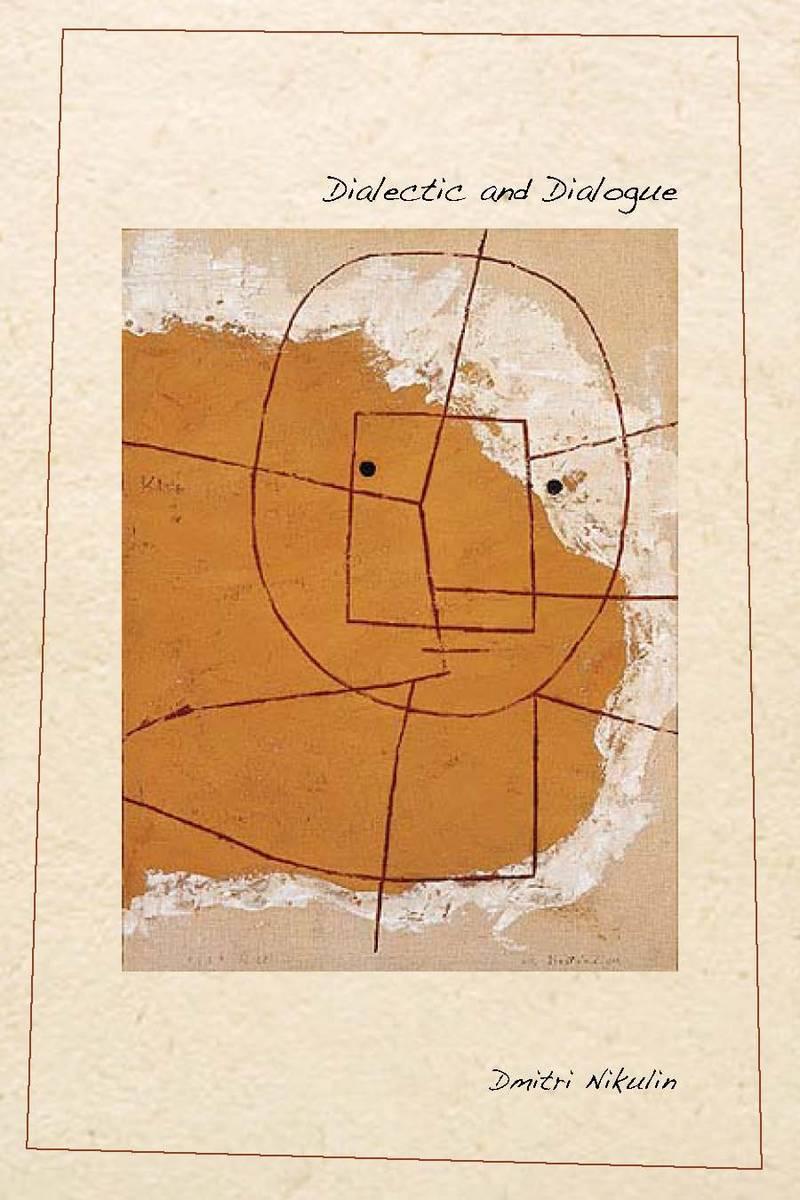
This book considers the emergence of dialectic out of the spirit of dialogue and traces the relation between the two. It moves from Plato, for whom dialectic is necessary to destroy incorrect theses and attain thinkable being, to Cusanus, to modern philosophers—Descartes, Kant, Hegel, Schleiermacher and Gadamer, for whom dialectic becomes the driving force behind the constitution of a rational philosophical system. Conceived as a logical enterprise, dialectic strives to liberate itself from dialogue, which it views as merely accidental and even disruptive of thought, in order to become a systematic or scientific method. The Cartesian autonomous and universal yet utterly monological and lonely subject requires dialectic alone to reason correctly, yet dialogue, despite its unfinalizable and interruptive nature, is what constitutes the human condition.
Betala smidigt med kort, Klarna, Apple Pay eller Google Pay. Är du inte nöjd har du alltid 14 dagars ångerrätt. Läs mer i våra villkor. Har du några frågor, mejla oss på hello@memmo.org.
Memmo gör det enklare att plugga – var du än är i världen. Hos oss samlar du kursböcker och smarta studieverktyg på ett och samma ställe: sammanfattningar, quiz, poddar och flashcards. Och så Ted, din studiekompis som svarar på allt du undrar. Över 50 000 studenter pluggar redan här – byggt för att du ska lära dig snabbare och stressa mindre.