
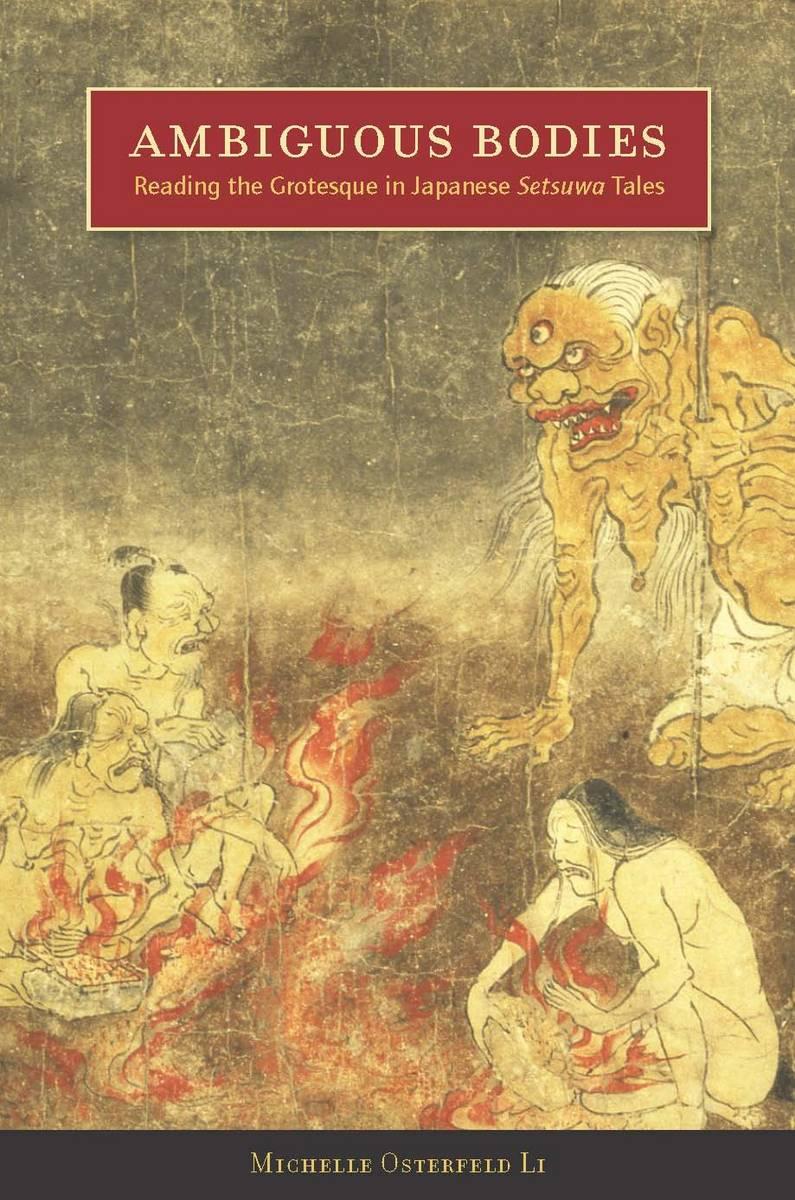
Ambiguous Bodies draws from theories of the grotesque to examine many of the strange and extraordinary creatures and phenomena in the premodern Japanese tales called setsuwa. Grotesque representations in general typically direct our attention to unfinished and unrefined things; they are marked by an earthy sense of the body and an interest in the physical. Because they have many meanings, they can both sustain and undermine authority. This book aims to make sense of grotesque representations in setsuwa—animated detached body parts, unusual sexual encounters, demons and shape-shifting or otherwise wondrous animals—and, in a broader sense, to show what this type of critical focus can reveal about the mentality of Japanese people in the ancient, classical, and early medieval periods. It is the first study to place Japanese tales of this nature, which have received little critical attention in English, within a sophisticated theoretical framework. Li masterfully and rigorously focuses on these fascinating tales in the context of the historical periods in which they were created and compiled.
Betala smidigt med kort, Klarna, Apple Pay eller Google Pay. Är du inte nöjd har du alltid 14 dagars ångerrätt. Läs mer i våra villkor. Har du några frågor, mejla oss på hello@memmo.org.
Memmo gör det enklare att plugga – var du än är i världen. Hos oss samlar du kursböcker och smarta studieverktyg på ett och samma ställe: sammanfattningar, quiz, poddar och flashcards. Och så Ted, din studiekompis som svarar på allt du undrar. Över 50 000 studenter pluggar redan här – byggt för att du ska lära dig snabbare och stressa mindre.