
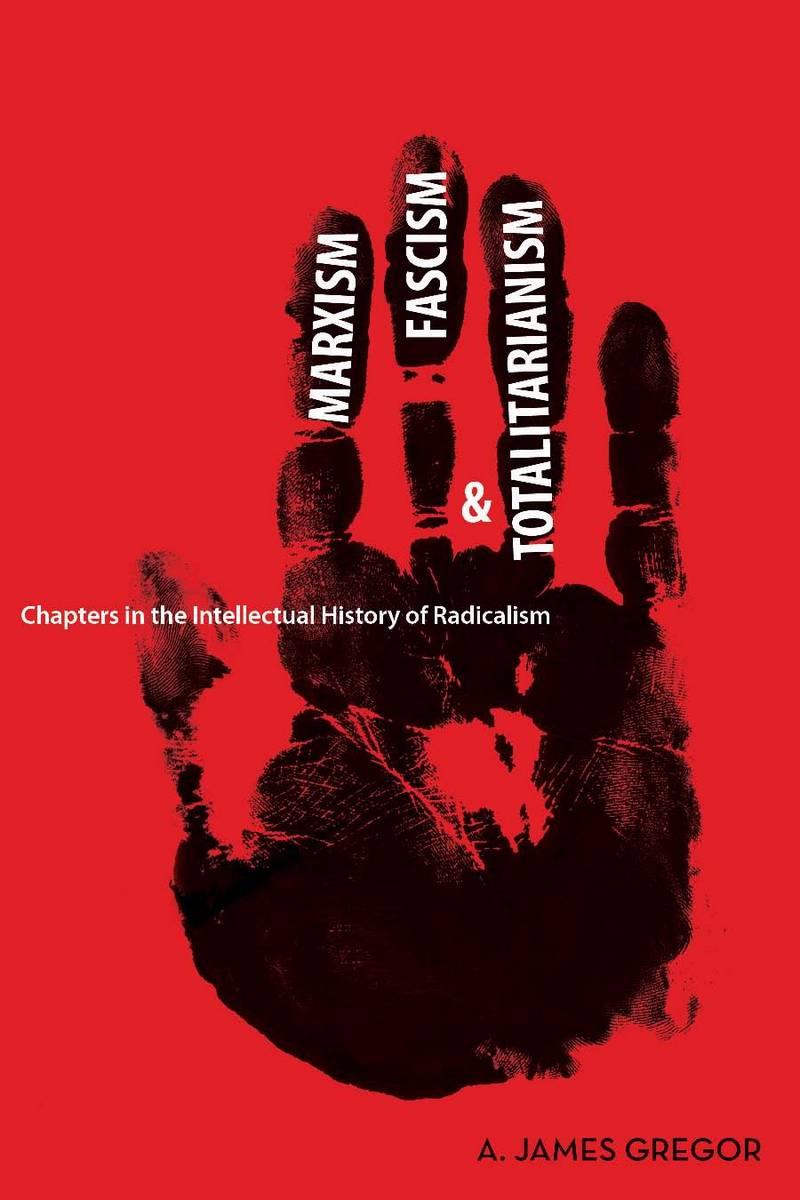
This work traces the changes in classical Marxism (the Marxism of Karl Marx and Friedrich Engels) that took place after the death of its founders. It outlines the variants that appeared around the turn of the twentieth century—one of which was to be of influence among the followers of Adolf Hitler, another of which was to shape the ideology of Benito Mussolini, and still another of which provided the doctrinal rationale for V. I. Lenin's Bolshevism and Joseph Stalin's communism. This account differs from many others by rejecting a traditional left/right distinction—a distinction that makes it difficult to understand how totalitarian political institutions could arise out of presumably diametrically opposed political ideologies. Marxism, Fascism, and Totalitarianism thus helps to explain the common features of "left-wing" and "right-wing" regimes in the twentieth century.
Betala smidigt med kort, Klarna, Apple Pay eller Google Pay. Är du inte nöjd har du alltid 14 dagars ångerrätt. Läs mer i våra villkor. Har du några frågor, mejla oss på hello@memmo.org.
Memmo gör det enklare att plugga – var du än är i världen. Hos oss samlar du kursböcker och smarta studieverktyg på ett och samma ställe: sammanfattningar, quiz, poddar och flashcards. Och så Ted, din studiekompis som svarar på allt du undrar. Över 50 000 studenter pluggar redan här – byggt för att du ska lära dig snabbare och stressa mindre.