
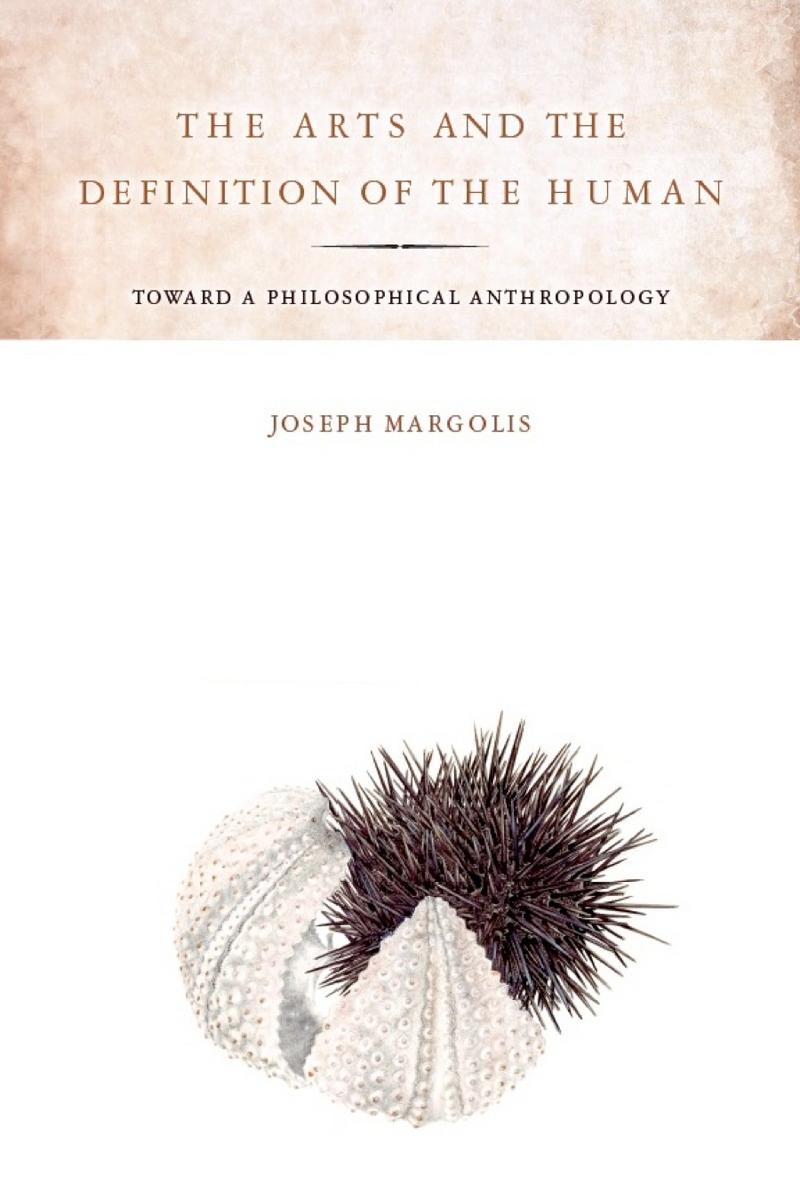
The Arts and the Definition of the Human introduces a novel theory that our selves—our thoughts, perceptions, creativity, and other qualities that make us human—are determined by our place in history, and more particularly by our culture and language. Margolis rejects the idea that any concepts or truths remain fixed and objective through the flow of history and reveals that this theory of the human being (or "philosophical anthropology") as culturally determined and changing is necessary to make sense of art. He shows that a painting, sculpture, or poem cannot have a single correct interpretation because our creation and perception of art will always be mitigated by our historical and cultural contexts. Calling upon philosophers ranging from Parmenides and Plato to Kant, Hegel, and Wittgenstein, art historians from Damisch to Elkins, artists from Van Eyck to Michelangelo to Wordsworth to Duchamp, Margolis creates a philosophy of art interwoven with his philosophical anthropology which pointedly challenges prevailing views of the fine arts and the nature of personhood.
Betala smidigt med kort, Klarna, Apple Pay eller Google Pay. Är du inte nöjd har du alltid 14 dagars ångerrätt. Läs mer i våra villkor. Har du några frågor, mejla oss på hello@memmo.org.
Memmo gör det enklare att plugga – var du än är i världen. Hos oss samlar du kursböcker och smarta studieverktyg på ett och samma ställe: sammanfattningar, quiz, poddar och flashcards. Och så Ted, din studiekompis som svarar på allt du undrar. Över 50 000 studenter pluggar redan här – byggt för att du ska lära dig snabbare och stressa mindre.