
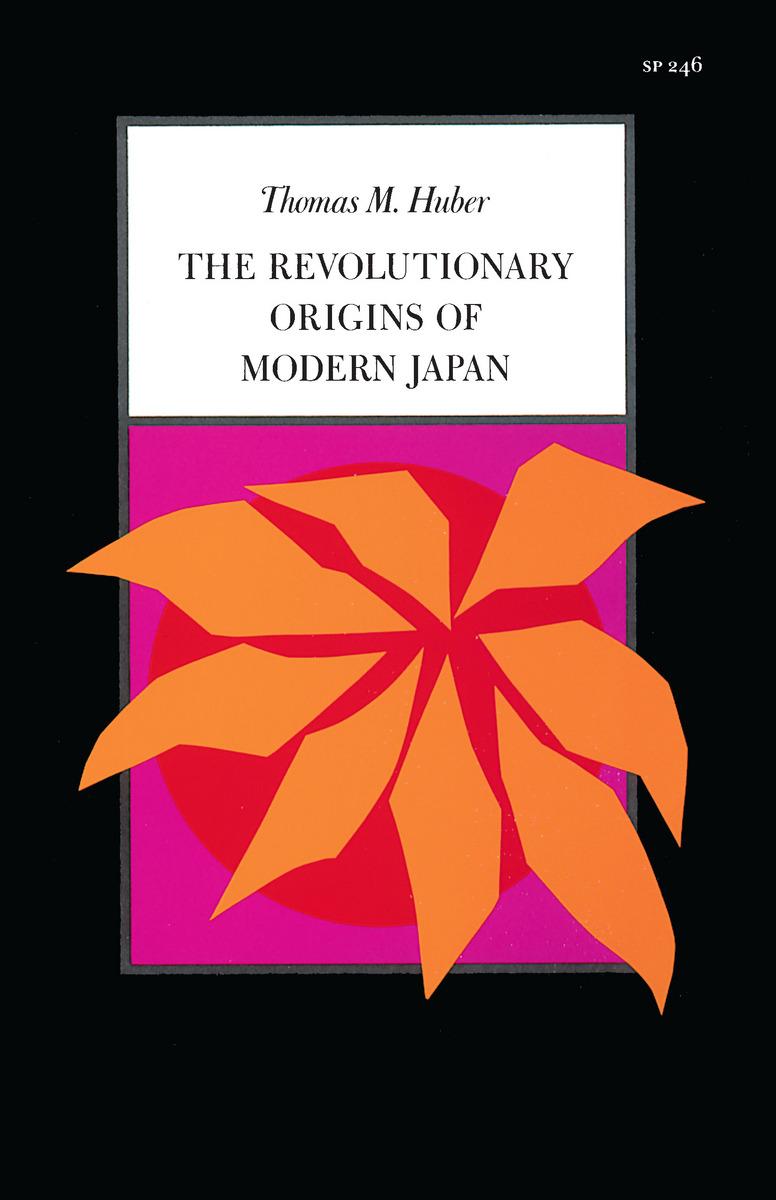
Challenging the popular view of the Meiji Restoration as a "revolution from above," this book argues that its main cause was neither the growing threat of the West nor traditional loyalty to Emperor and nation, but rather lay in class conflict and long-term institutional change. The author sees the Restoration as a revolution against feudal privilege carried out from below by a service intelligentsia of minor administrators, priests, scholars, and village officials.
The book focuses on the politically most effective body of activists, those in the domain of Chōshū, and on their most important leaders of the 1850s and 1860s: Yoshida Shōin, Kusaka Genzui, and Takasugi Shinsaku. It examines their social and educational background, explores their motives for acting, and follows them through their intellectual and political struggles.
The final chapter explains various heretofore puzzling aspects of the Meiji period (1868-1912) in terms of its revolutionary origins, and concludes by showing that the Restoration, far from being uniquely Japanese, had many of the characteristics we associate with the great revolutions of England, France, and Russia.
Betala smidigt med kort, Klarna, Apple Pay eller Google Pay. Är du inte nöjd har du alltid 14 dagars ångerrätt. Läs mer i våra villkor. Har du några frågor, mejla oss på hello@memmo.org.
Memmo gör det enklare att plugga – var du än är i världen. Hos oss samlar du kursböcker och smarta studieverktyg på ett och samma ställe: sammanfattningar, quiz, poddar och flashcards. Och så Ted, din studiekompis som svarar på allt du undrar. Över 50 000 studenter pluggar redan här – byggt för att du ska lära dig snabbare och stressa mindre.