
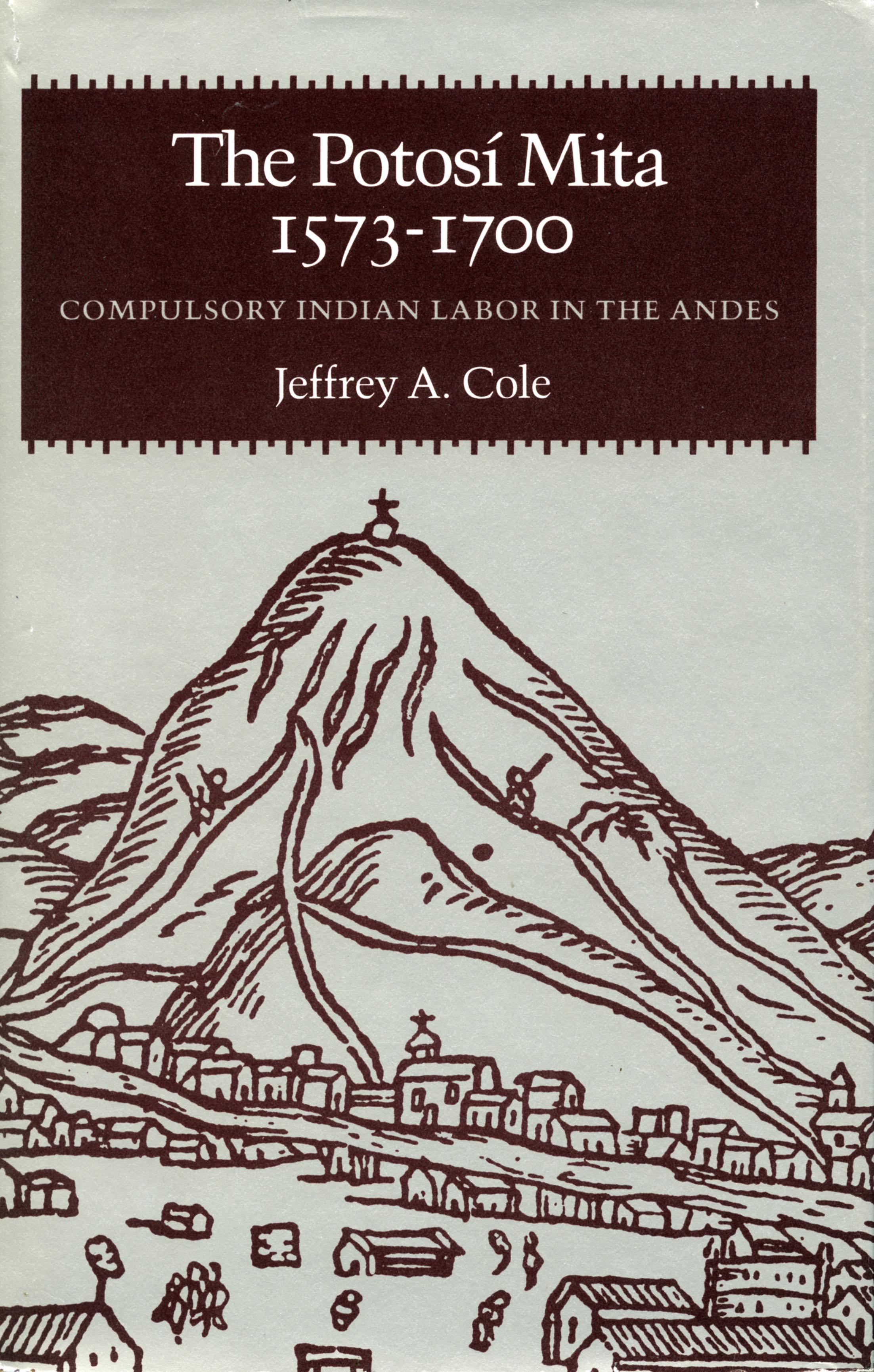
Potosí, a mining center in what is now Bolivia, was the most productive source of silver in the Spanish American Empire between the mid-1500's and the late seventeenth century. Much of this success was attributable, at least initially, to the mita, a system of draft Indian labor instituted by Viceroy Francisco do Toledo in 1573 for the working of the silver mines and refineries.
Bitter debate swirled around the mita during most of its 250-year history. It was assailed by its enemies as a form of servitude worse than slavery and accused of depopulating the provinces subject to it, yet it was supported by many, however reluctantly, who believed that the Spanish Empire depended on Potosí silver for its survival.
The author traces the evolution of the mita from its inception to the end of the Hapsburg epoch in 1700. The primary focus is on the metamorphosis of the mita under the pressures of changing production realities at Potosí and demographic developments in the provinces from which the Indians were drafted. The author describes the role of native headmen (kurakas) in the system, the means used by Indians to evade service, and the efforts of the mining guild to tailor the mita to its needs. The secondary focus is on the Hapsburg government's administration of the mita, especially those factors that prevented the Crown or its viceroys from being fully effective.
Betala smidigt med kort, Klarna, Apple Pay eller Google Pay. Är du inte nöjd har du alltid 14 dagars ångerrätt. Läs mer i våra villkor. Har du några frågor, mejla oss på hello@memmo.org.
Memmo gör det enklare att plugga – var du än är i världen. Hos oss samlar du kursböcker och smarta studieverktyg på ett och samma ställe: sammanfattningar, quiz, poddar och flashcards. Och så Ted, din studiekompis som svarar på allt du undrar. Över 50 000 studenter pluggar redan här – byggt för att du ska lära dig snabbare och stressa mindre.
Du kanske också gillar
Köp boken0