
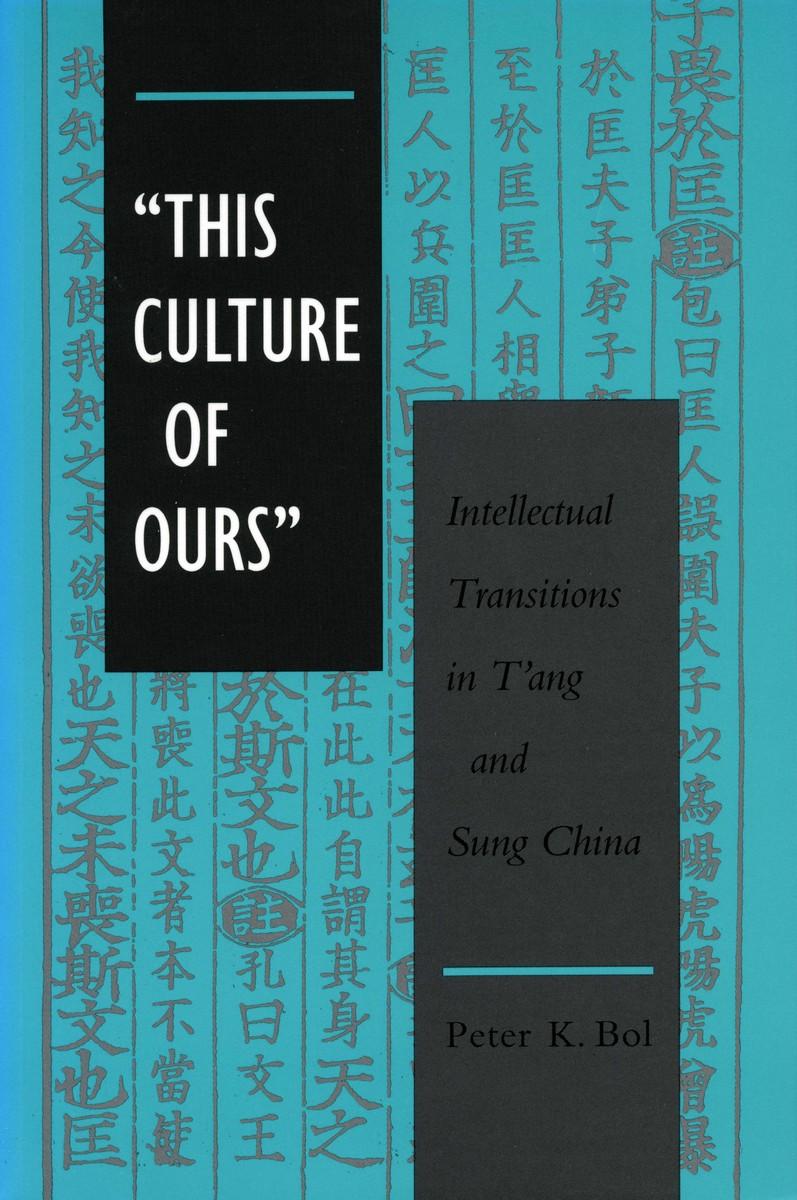
This book traces the shared culture of the Chinese elite from the seventh to the twelfth centuries. The early T'ang definition of 'This Culture of Ours' combined literary and scholarly traditions from the previous five centuries. The late Sung Neo-Confucian movement challenged that definition. The author argues that the Tang-Sung transition is best understood as a transition from a literary view of culture - in which literary accomplishment and mastery of traditional forms were regarded as essential - to the ethical orientation of Neo-Confucianism, in which the cultivation of one's innate moral ability was regarded as the goal of learning. The author shows that this transformation paralleled the collapse of the T'ang order and the restoration of a centralized empire under the Sung, underscoring the connection between elite formation and political institutions.
Betala smidigt med kort, Klarna, Apple Pay eller Google Pay. Är du inte nöjd har du alltid 14 dagars ångerrätt. Läs mer i våra villkor. Har du några frågor, mejla oss på hello@memmo.org.
Memmo gör det enklare att plugga – var du än är i världen. Hos oss samlar du kursböcker och smarta studieverktyg på ett och samma ställe: sammanfattningar, quiz, poddar och flashcards. Och så Ted, din studiekompis som svarar på allt du undrar. Över 50 000 studenter pluggar redan här – byggt för att du ska lära dig snabbare och stressa mindre.