
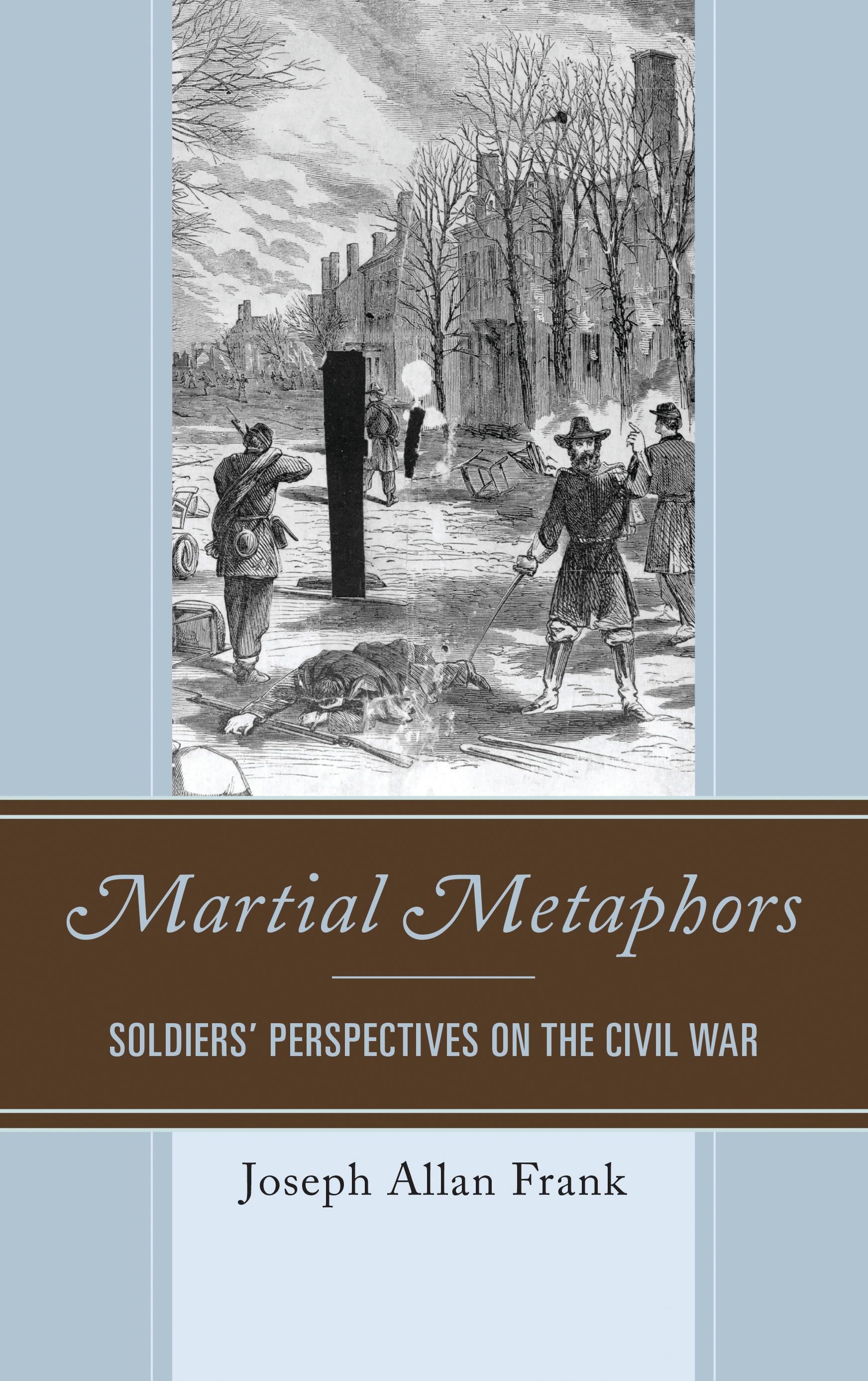
The book draws on letters, diaries, recent books and articles in History, but also relies on multi-disciplinary sources in politics and literature, along transnational comparisons to place the events in a broader perspective. The book invites the reader to embark with the soldiers and some civilians on their journey into the murderous events across the nation. The passage began with the heroic clichés that prevailed during the initial organization and embarkation of the armies. However the shock of battle and the weary life in camps brought new images of the war such as a bleak vision seeing the war as a chaotic absurdity, others began to suspect conspiratorial agencies behind the conflict, yet others sought to galvanize their support for the hard road ahead by invoking melodramatic metaphors as a crusade, and means of national redemption and punishment of the adversary. As the fighting intensified after the initial clashes of 1862, some believed that the hard war opened the way for imposing revolutionary changes such as upending the South’s social structure providing social, economic and political equality to a new class—the ex-slaves. Finally, there were some who felt the war was a Sophoclean-Greek tragedy because the outcome and nature of the war proved contrary to what they had assumed the struggle would be about and what it would be like.
Betala smidigt med kort, Klarna, Apple Pay eller Google Pay. Är du inte nöjd har du alltid 14 dagars ångerrätt. Läs mer i våra villkor. Har du några frågor, mejla oss på hello@memmo.org.
Memmo gör det enklare att plugga – var du än är i världen. Hos oss samlar du kursböcker och smarta studieverktyg på ett och samma ställe: sammanfattningar, quiz, poddar och flashcards. Och så Ted, din studiekompis som svarar på allt du undrar. Över 75 000 studenter pluggar redan här – byggt för att du ska lära dig snabbare och stressa mindre.