
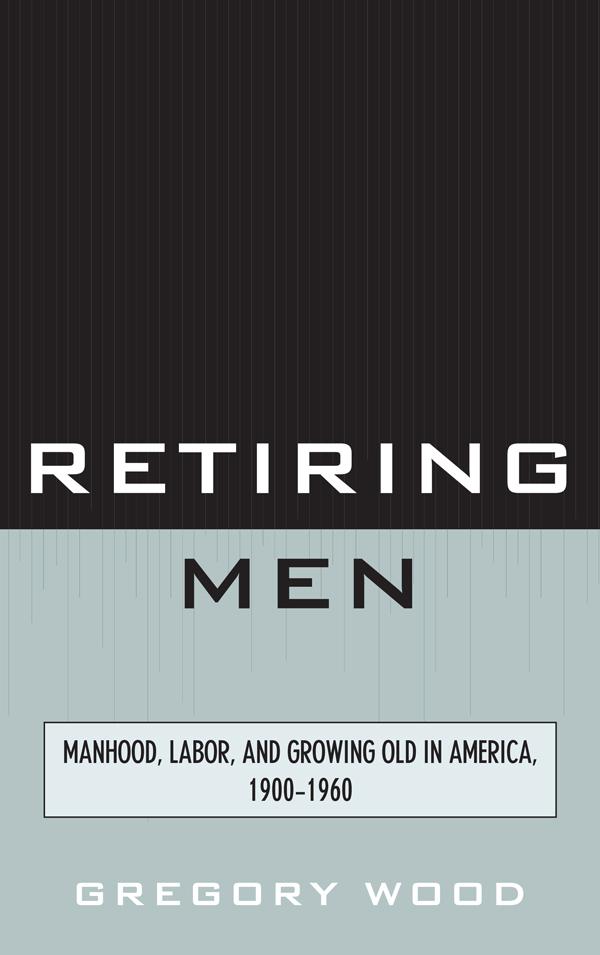
As life spans expanded dramatically in the United States after 1900, and employers increasingly demanded the speed and stamina of youth in the workplace, men struggled to sustain identities as workers, breadwinners, and patriarchs—the core ideals of twentieth-century masculinity. Longer life threatened manhood as men confronted age discrimination at work, mandatory retirement, and fixed incomes as recipients of Social Security and workplace pensions. They struggled to somehow sustain manliness in retirement, a new phase of life supposedly defined by the absence of labor. Ironically, retiring men pursued ways to stay “productive”: retirees created new daily routines of golf and shuffleboard games, tinkered with tools in garages, attended social club meetings, armed themselves for hunting and fishing excursions, and threw themselves into yard work. Others looked for new jobs or business ventures. Only unending activity could help to ensure that the “golden years” would be good years for older men of the twentieth century.
Sidor: 274
Kategori: Kultur-, Genus- & Postkoloniala studier
e-ISBN: 9780761856801
Fraktvikt: 1.2 kg
Skickas inom: 1-2 dagar
Betala smidigt med kort, Klarna, Apple Pay eller Google Pay. Är du inte nöjd har du alltid 14 dagars ångerrätt. Läs mer i våra villkor. Har du några frågor, mejla oss på hello@memmo.org.
Memmo gör det enklare att plugga – var du än är i världen. Hos oss samlar du kursböcker och smarta studieverktyg på ett och samma ställe: sammanfattningar, quiz, poddar och flashcards. Och så Ted, din studiekompis som svarar på allt du undrar. Över 50 000 studenter pluggar redan här – byggt för att du ska lära dig snabbare och stressa mindre.