
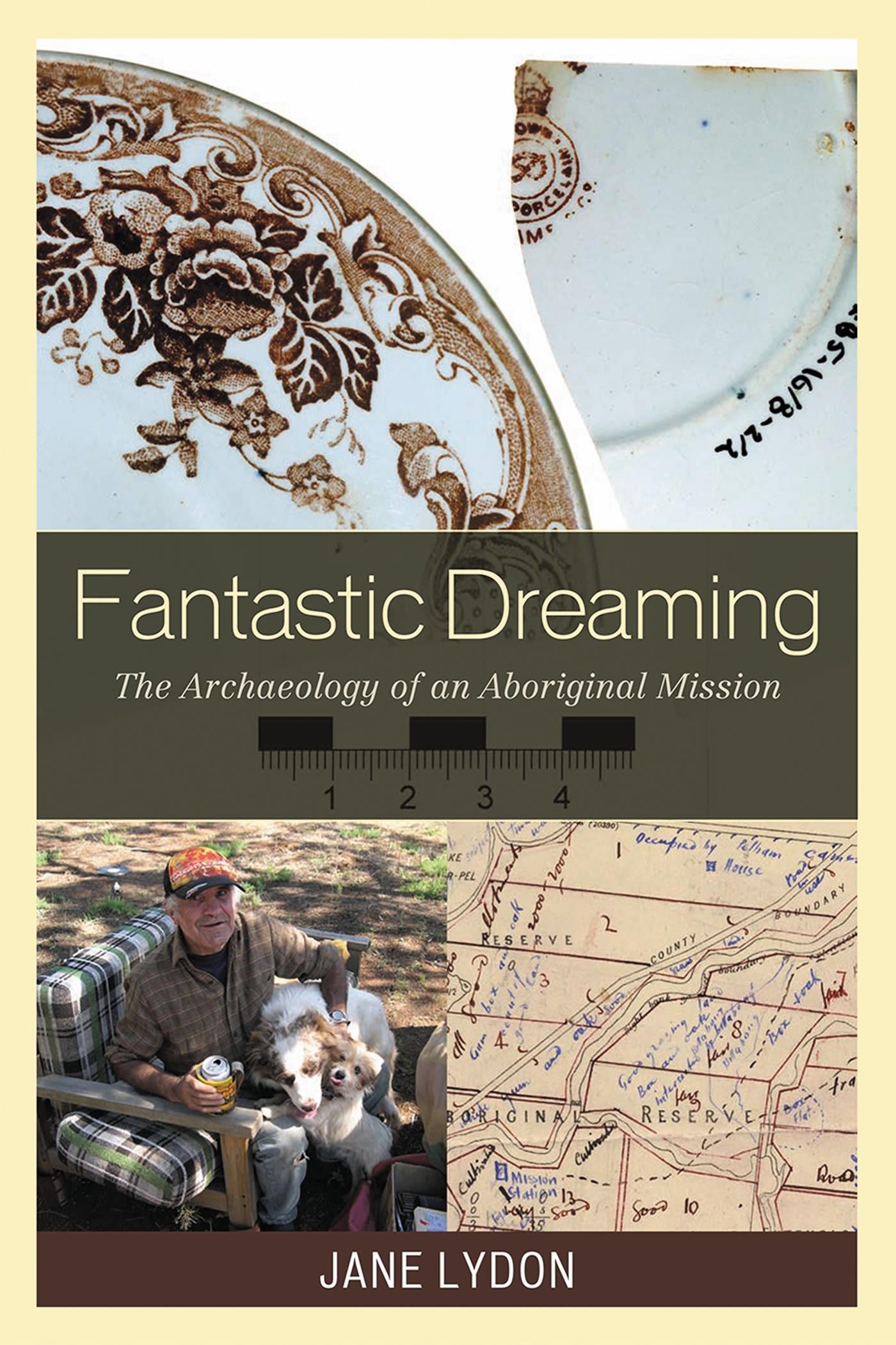
Fantastic Dreaming explores how whites have measured Australian Aboriginal people through their material culture and domestic practices, aspects of culture intimately linked to Enlightenment notions of progress and social institutions such as marriage and property. Archaeological investigation reveals that the Moravian missionaries' attempts to "civilize" the Wergaia-speaking people of northwestern Victoria centered on spatial practices, housing, and the consumption of material goods. After the mission closed in 1904, white observers saw the camp settlements that formed nearby as evidence of Aboriginal incapacity and immorality, rather than as symptoms of exclusion and poverty. Conceptions of transformation as acculturation survived in assimilation policies that envisioned Aboriginal people becoming the same as whites through living in European housing. These ideas persist in archaeological analysis that insists on Aboriginality as otherness and difference, and equates objects with identity. However Wergaia tradition was place-based, and, often invisibly, Indigenous people maintained traditional relationships to kin and country, resisting white authority through strategies of evasion and mobility. This study examines the complex role of material culture and spatial politics in shaping colonial identities and offers a critique of essentialism in archaeological interpretation.
Betala smidigt med kort, Klarna, Apple Pay eller Google Pay. Är du inte nöjd har du alltid 14 dagars ångerrätt. Läs mer i våra villkor. Har du några frågor, mejla oss på hello@memmo.org.
Memmo gör det enklare att plugga – var du än är i världen. Hos oss samlar du kursböcker och smarta studieverktyg på ett och samma ställe: sammanfattningar, quiz, poddar och flashcards. Och så Ted, din studiekompis som svarar på allt du undrar. Över 50 000 studenter pluggar redan här – byggt för att du ska lära dig snabbare och stressa mindre.