
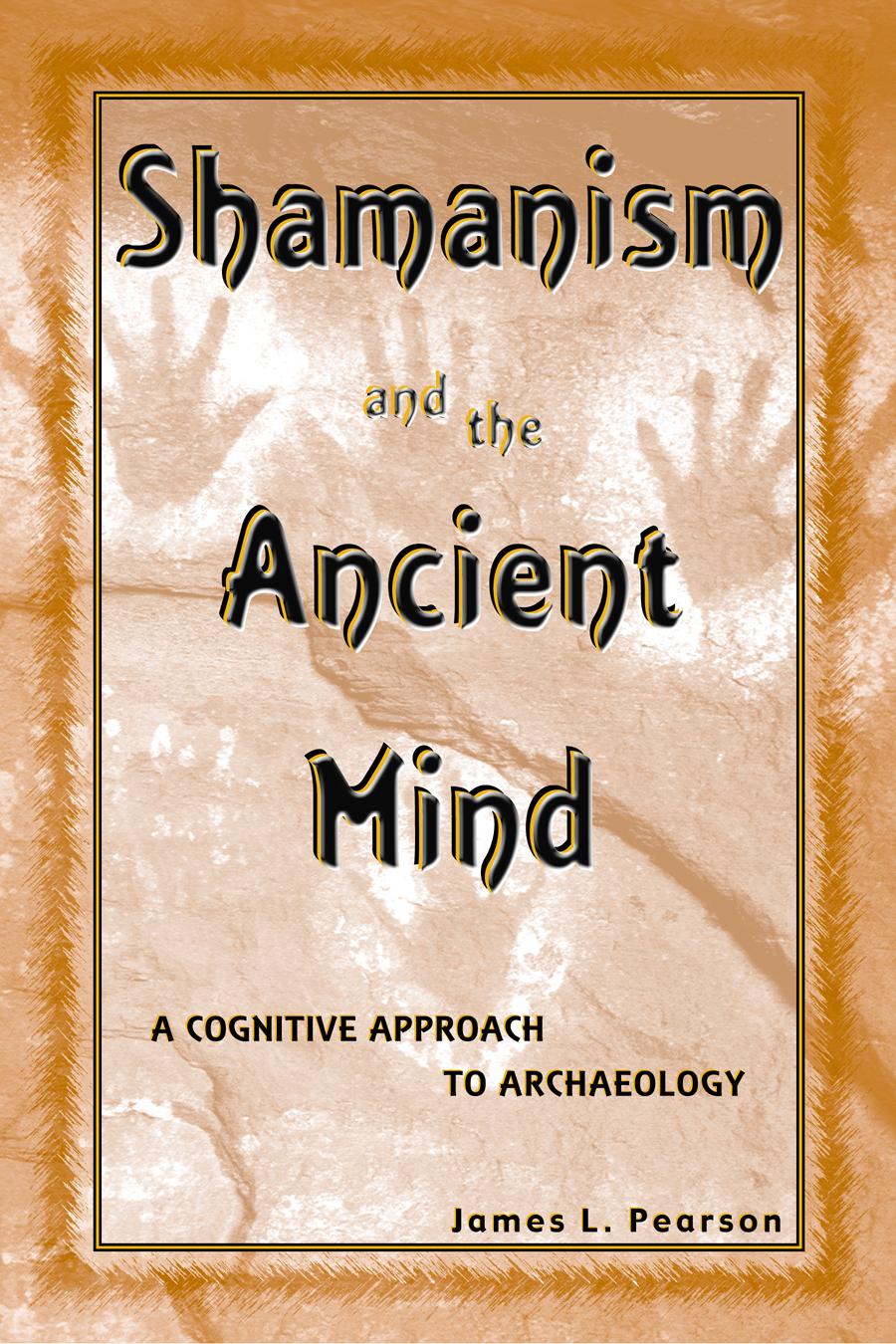
Pearson brings a cogent, well-argued case for the understanding of much prehistoric art as shamanistic practice. Using the theoretical premises of cognitive archaeology and a careful examination of rock art worldwide, Pearson is able to dismiss other theories of why ancient peoples produced art_totemism, art-for-art's sake, structuralism, hunting magic. Then examining both ethnographic and neuropsychological evidence, he makes a strong case for the use of shamanistic ritual and hallucinogenic substances as the genesis of much prehistoric art. Bolstered with examples from contemporary cultures and archaeological sites around the world, Pearson's thesis should be of interest not only to archaeologists, but art historians, psychologists, cultural anthropologist, and the general public.
Betala smidigt med kort, Klarna, Apple Pay eller Google Pay. Är du inte nöjd har du alltid 14 dagars ångerrätt. Läs mer i våra villkor. Har du några frågor, mejla oss på hello@memmo.org.
Memmo gör det enklare att plugga – var du än är i världen. Hos oss samlar du kursböcker och smarta studieverktyg på ett och samma ställe: sammanfattningar, quiz, poddar och flashcards. Och så Ted, din studiekompis som svarar på allt du undrar. Över 50 000 studenter pluggar redan här – byggt för att du ska lära dig snabbare och stressa mindre.